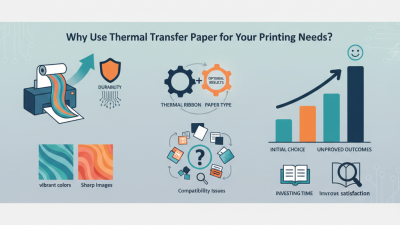
Choosing the right Thermal Transfer Paper can determine whether a printed design looks sharp or disappointing. A vibrant image may fade, crack, or peel when the paper does not match the fabric, printer, ink, or heat press. The problem is rarely solved by choosing the cheapest pack. It requires practical testing.
David Gross, a veteran dye-sublimation educator and founder of Condé Systems, has often stressed, “The paper is only one part of the transfer process.” That principle guides this article. Good results depend on the entire workflow, including coating quality, ink absorption, drying time, temperature, pressure, and peeling method.
These ten tips will help you examine each detail before placing a large order. You will learn how to compare light-fabric and dark-fabric transfer sheets. You will also see why cotton, polyester, and blended textiles need different solutions. Some papers produce excellent color but feel heavy. Others create a soft finish but require more careful handling.
Small details matter.
Check whether the sheet feeds smoothly through your printer. Look closely at fine text and skin tones. Test a corner before pressing the full design. Keep notes about heat settings and wash performance. This may feel slow, but it prevents wasted garments and customer complaints.
There is no universal “best” Thermal Transfer Paper. Even experienced users can choose poorly when they ignore fabric texture or printer compatibility. A reliable choice comes from evidence, repeatable tests, and honest evaluation—not attractive packaging alone.
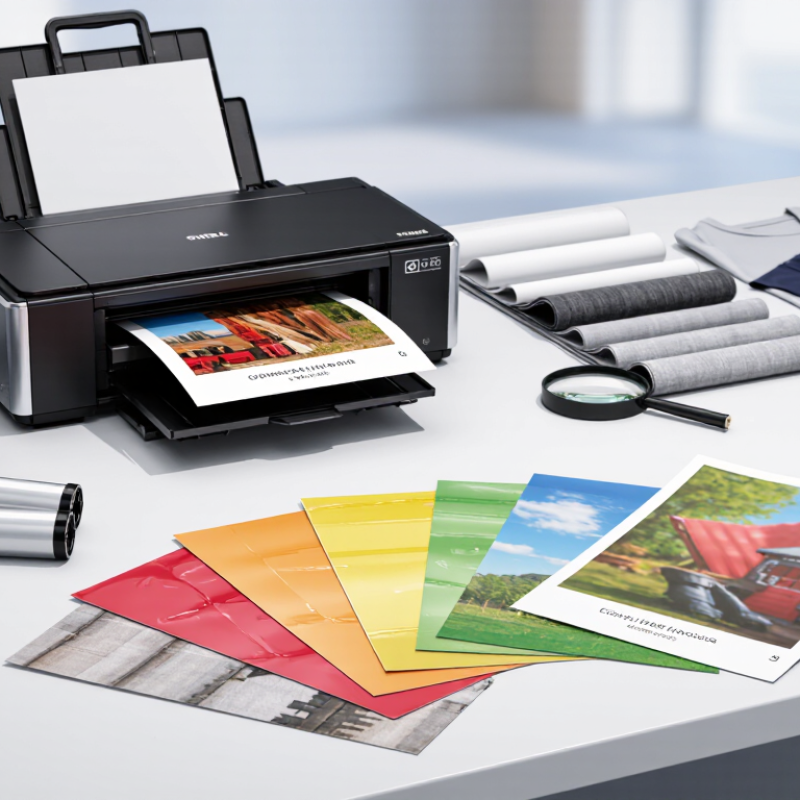
Choosing the best thermal transfer paper starts with your project, not the paper shelf. Define the surface, image type, and final use before comparing products. Cotton, polyester, coated wood, and ceramic surfaces need different transfer behavior. A paper that works well on a cotton shirt may fail on a smooth mug.
Measure your artwork carefully. Fine text, solid blocks, gradients, and photographs place different demands on coating quality. Check whether the transfer needs a glossy or matte finish. Consider washing, stretching, rubbing, sunlight, and repeated handling. A child’s sports shirt needs more flexibility than a short-term event banner. Write these requirements down. It prevents expensive guesswork.
Your printer and heat equipment matter equally. Confirm paper compatibility with ink type, printer settings, press temperature, pressure, and pressing time. Always test a small area first. Inspect edges, color density, adhesion, and surface texture after cooling. Then wash or handle the sample as the finished item will be used. Small tests reveal problems early. Do not trust one perfect sample. Humidity, storage conditions, and operator technique can change results. I once treated pressing time as fixed, but fabric thickness proved that assumption wrong. Leave room for adjustment, and record every setting that produces a dependable transfer.
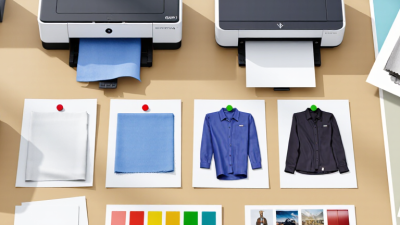
Choosing thermal transfer paper starts with identifying your printer and ink. Inkjet transfer paper is made for liquid ink, while laser transfer paper must withstand a heated fuser. Using the wrong type can cause smearing, poor adhesion, or even printer damage. Check the printer manual and paper packaging before loading a sheet. Do not guess.
Ink chemistry also affects the result. Dye-based ink can create bright colors, but some prints may fade faster after repeated washing. Pigment ink usually offers stronger resistance, though its surface finish can look slightly different. For dark fabrics, choose paper with an opaque backing. Light-fabric paper is often thinner and may require mirrored artwork. Always confirm this setting. I once forgot to mirror a small logo, and the lettering transferred backward.
Paper thickness matters too. A narrow feed path may struggle with heavy sheets, leaving scratches or uneven coverage. Set the correct media type in the printer menu, and allow the printed sheet to dry fully before pressing. Heat, pressure, and pressing time should match the paper’s instructions and fabric composition. Test a small cotton swatch first. My own test pieces have not always looked perfect; a slightly dull edge can reveal excessive heat, weak pressure, or an ink mismatch. Keep notes on each trial, including paper type, ink setting, temperature, and washing results.
Match the transfer paper with your printer and ink before printing.
Compatibility ratings use a 1–5 practical suitability scale: 5 means the paper type is designed for that printer and ink combination, while 1 means it is generally unsuitable. Check the paper package for printer type, ink type, fabric color, temperature, pressing time, and washing instructions before purchase.
Choosing thermal transfer paper starts with the fabric, not the artwork. Cotton, polyester, and blended garments absorb heat differently. Cotton usually accepts standard transfers well, while polyester may cause dye migration under high heat. Stretch fabrics also need flexible paper and moderate pressing pressure.
The 2024 Textile Exchange Materials Market Report estimates global fiber production reached 124 million tonnes in 2023. Polyester represented about 57% of total output. That figure matters because synthetic garments are common, but they need careful temperature control. A test press remains essential. Even a recommended setting can fail on a dark, heavily dyed shirt.
Tip: Match the paper to both fiber and color. Use light-fabric paper for white or pale garments, where the artwork can remain transparent. Dark garments need an opaque transfer layer, or the colors may look dull. For polyester, choose low-temperature paper when possible. For cotton blends, test stretch and wash resistance before production.
Tip: Inspect the finished surface under natural light. Look for gray edges, color bleeding, or a stiff hand feel. A small 10-centimeter test area can reveal problems early. AATCC colorfastness testing methods emphasize controlled washing and evaluation, but home laundry can still vary. I have found that one successful press proves very little. The fabric may shrink, or the color may change after washing. Record temperature, pressure, and peel timing for every trial.
10 Tips for Choosing the Best Thermal Transfer Paper
Print quality starts with the coating, not the artwork. Choose paper that produces sharp edges, solid black areas, and smooth gradients. Examine a test image under bright, neutral light. Fine text should remain readable after pressing. A 2024 Grand View Research report valued the global digital textile printing market at approximately USD 2.3 billion in 2023. That growth raises expectations for color accuracy and repeatable output. Still, market growth does not guarantee transfer quality. I have seen attractive samples crack after one wash.
Check the fabric first. Cotton, polyester, blends, and textured materials need different transfer constructions. Confirm the recommended temperature, pressing time, and pressure. Small changes matter. A cool corner can peel early. Test stretch recovery, edge lifting, and surface feel after pressing. Use AATCC TM61 for accelerated laundering checks; one 45-minute cycle roughly represents five home washes, although results vary by fabric. Evaluate color loss and cracking, not only peeling. For rubbing resistance, ISO 105-X12 offers a useful testing framework. Store unused sheets flat, dry, and away from heat. Follow the correct peel method. Hot, warm, or cold peeling can change the final result. Record every setting, because memory is unreliable. A 2023 Smithers industry forecast also identified durability and production consistency as important drivers in textile printing investment. The practical lesson is uncomfortable: the cheapest paper may create the highest replacement cost.
| Tip | Evaluation Dimension | What to Check | Practical Benchmark or Guidance | Recommended Application |
|---|---|---|---|---|
| 1 | Printer Compatibility | Confirm that the paper is designed for the printer type, ink system, and printable side being used. | Inkjet transfer paper is for inkjet printers; laser transfer paper is for laser printers. Do not interchange them unless the instructions specifically allow it. | Choose the correct paper category before comparing finish, price, or durability. |
| 2 | Print Resolution and Detail | Review how sharply the sheet reproduces small text, fine lines, gradients, and photographic details. | Use paper rated for the printer's native resolution, commonly 1,200 dpi or higher for detailed image work. | Select a smooth, coated surface for logos, photographs, illustrations, and small lettering. |
| 3 | Color Reproduction | Check color saturation, skin tones, dark areas, and whether the transferred image matches the printed design. | Print a color test sheet and allow it to dry fully before judging the result; wet ink can appear darker or less stable. | Use bright or white transfer paper for vivid colors. Use dark-fabric paper when white ink or an opaque base is required. |
| 4 | Fabric and Surface Compatibility | Match the transfer paper with the material's fiber content, texture, color, and heat tolerance. | Cotton, polyester, blends, coated boards, and hard surfaces may require different transfer constructions and temperature settings. | Always perform a small test on the exact substrate, especially for stretch fabrics or heat-sensitive materials. |
| 5 | Application Temperature and Time | Check the recommended heat-press temperature, pressure, dwell time, and peeling method. | Many fabric transfers are applied within approximately 150–190°C for 10–30 seconds, but the manufacturer's instructions must control. | Choose a forgiving transfer when using a household iron; use a precisely specified product with a heat press for repeatable production. |
| 6 | Wash and Abrasion Durability | Evaluate resistance to cracking, peeling, fading, and edge lifting after laundering and repeated handling. | A durable transfer should remain securely bonded after multiple wash cycles when washed according to care instructions. | For garments, test cold or warm washing, inside-out care, mild detergent, and air drying before approving a production run. |
| 7 | Flexibility and Stretch Recovery | Bend and stretch the decorated area to identify cracking, stiffness, or permanent distortion. | Stretchable garments need a flexible transfer layer that moves with the fabric rather than forming rigid cracks. | Use flexible formulations for sportswear, activewear, socks, swimwear, and knitted fabrics. |
| 8 | Finish, Hand Feel, and Thickness | Compare matte, glossy, soft-touch, and raised finishes, along with the stiffness or thickness of the transferred area. | Thin matte finishes generally feel more textile-like, while glossy or thicker layers can provide stronger visual contrast. | Select the finish according to comfort, appearance, and whether the product is fashion-oriented or promotional. |
| 9 | Cutting, Weeding, and Transfer Workflow | Determine whether the paper requires mirror printing, trimming, cutting, weeding, masking, or a carrier sheet. | Fewer preparation steps reduce handling time and the risk of misalignment, especially for small or detailed designs. | Choose easy-peel or low-weeding formats for small orders; use plotter-compatible materials for repeated custom designs. |
| 10 | Storage, Safety, and Total Cost | Review shelf life, moisture sensitivity, packaging, ventilation requirements, sheet yield, and waste during production. | Store sheets flat in a cool, dry place away from direct sunlight and humidity. Calculate cost per usable transfer, not only cost per sheet. | Prioritize stable storage and efficient sheet layouts for professional or higher-volume applications. |
Choosing thermal transfer paper requires more than checking the lowest price. Compare paper weight, coating type, printable side, transfer temperature, pressing time, and compatibility with cotton or polyester. Check whether the sheet supports inkjet or laser printing.
Also examine wash durability, color clarity, peeling behavior, package quantity, and technical support. A 2024 Smithers industry report projects digital textile printing to grow at roughly 12% annually through 2028, increasing demand for dependable transfer materials.
Costs need a practical calculation. Divide the pack price by usable sheets, then add ink, failed transfers, labor, and shipping. A cheaper 100-sheet pack may waste money if curled edges cause misalignment.
Record results from at least three small test batches. Note temperature, pressure, fabric type, and washing method. My first comparison ignored peeling time. That mistake changed the final cost.
Customer feedback should be measured, not merely skimmed. Look for repeated comments about cracking, fading, paper jams, odor, and unclear instructions. Give more weight to reviews describing specific fabrics and wash cycles.
The Federal Trade Commission advises consumers to treat unsupported performance claims carefully, which is relevant when sellers promise permanent
results. Review dates also matter. Older feedback may reflect a changed coating or package.
Ask whether the supplier provides a technical data sheet, safety information, and replacement policy.
Reliable evidence beats attractive packaging.