Inquiry
Leave Your Message
Online Inuiry
WhatsAppWhatsapp 
6503fd048f54d46697

China Best Thermal Transfer Paper Manufacturers

China’s thermal transfer paper industry has grown from basic label production into a detailed materials sector. Today, manufacturers serve packaging, logistics, retail, healthcare, textiles, and industrial identification. Their products must perform under pressure, heat, friction, moisture, and repeated handling.

Thermal Transfer Paper is not simply a white coating on a base sheet. Its performance depends on paper smoothness, coating uniformity, release behavior, and ribbon compatibility. A small surface defect can create broken lines, blurred barcodes, or uneven color. That detail matters.

David Zwang, a respected printing technology analyst, once described the principle clearly: “Print quality begins with material consistency, not machine speed.”

This view helps explain why leading Chinese manufacturers invest in coating control, laboratory testing, and production traceability. Experienced suppliers often test print density, drying behavior, image sharpness, and resistance to abrasion. They may also verify roll dimensions, core strength, packaging protection, and storage stability.

However, no supplier is perfect.

Some product claims appear stronger than the supporting evidence. Buyers should request recent test reports, sample rolls, technical data sheets, and clear application guidance. Independent testing remains valuable, especially for food packaging, outdoor labels, and long-term archival use.

The best manufacturers do more than offer low prices. They adjust paper weight, coating structure, and surface finish for different printers and ribbons. They also respond when a customer reports curling, dust, static, or weak image transfer.

This guide examines China’s leading Thermal Transfer Paper manufacturers through product consistency, technical experience, customization ability, quality systems, and export reliability. The evaluation is practical, though not flawless. Market conditions change, and supplier performance should always be confirmed through current samples and documented testing.

China Best Thermal Transfer Paper Manufacturers

Types of Thermal Transfer Paper Manufacturers in China

China’s thermal transfer paper manufacturers usually fall into several practical categories. Coating manufacturers produce base paper with heat-sensitive layers, using controlled drying, coating weight, and surface treatment. Their products often support barcode labels, tickets, medical records, and retail printing. Consistency matters.

Converting manufacturers purchase coated paper, then slit, sheet, rewind, or package it for specific machines. They are suitable for buyers needing custom widths, roll diameters, cores, or packing formats. Some factories operate as OEM suppliers, combining coating and converting services. Others focus on specialty papers, such as high-temperature, moisture-resistant, or long-image-retention grades. That distinction matters. Quality varies. In factory audits, check coating uniformity, dust control, storage humidity, and batch records. Ask for test samples under your actual printer settings. A supplier may provide impressive laboratory data, yet perform poorly in a busy warehouse. No checklist is perfect.

Tips: Confirm the manufacturer’s production role before comparing quotations. Request recent inspection reports, material specifications, and a sample from normal production. Check whether the supplier can control basis weight, thermal sensitivity, image stability, and roll tension. Discuss lead times honestly, including peak-season delays. A cheaper offer is not always efficient; inconsistent paper can create jams, faded images, and costly reprinting.

China Best Thermal Transfer Paper Manufacturers - Types of Thermal Transfer Paper Manufacturers in China

Thermal Transfer Paper Type Primary Printing Technology Suitable Substrates Typical Applications Common Transfer Temperature Typical Pressing Time Surface Result
Inkjet Light-Fabric Transfer Paper Desktop inkjet printer using dye-based or pigment ink White or light-colored cotton, cotton blends, and selected polyester fabrics Personalized T-shirts, bags, cushions, uniforms, and craft products Approximately 160–190°C Approximately 15–30 seconds Soft or slightly flexible printed image with a visible transfer layer
Inkjet Dark-Fabric Transfer Paper Desktop inkjet printer, commonly with pigment or compatible dye ink Dark and colored cotton or cotton-blend textiles Graphic T-shirts, promotional clothing, team apparel, and textile decoration Approximately 160–190°C Approximately 15–30 seconds Opaque white backing supports bright colors on dark fabrics
Laser Light-Fabric Transfer Paper Color or monochrome laser printer using toner White and light-colored cotton, polyester, and selected blended fabrics Small-batch apparel, labels, event clothing, and promotional textiles Approximately 150–180°C Approximately 10–25 seconds Durable toner image with a smooth or matte transfer finish
Laser Dark-Fabric Transfer Paper Color laser printer or compatible toner-based production printer Dark cotton, polyester, and selected textile blends Opaque garment graphics, workwear, sportswear, and short-run decoration Approximately 150–180°C Approximately 10–25 seconds White or opaque base layer allows color reproduction on dark textiles
Sublimation Transfer Paper Dye-sublimation printer using sublimation ink White polyester fabric, polyester-coated metal, ceramic, glass, and selected coated substrates Sportswear, flags, mugs, plaques, signage, phone cases, and personalized gifts Approximately 180–210°C Approximately 30–90 seconds, depending on the substrate Dye becomes embedded into the coating or polyester fibers; no separate thick film
Eco-Solvent Transfer Paper or Film Eco-solvent inkjet printer or print-and-cut system Cotton, polyester, blends, coated textiles, and selected rigid surfaces Outdoor apparel graphics, signage, labels, decals, and durable promotional items Approximately 130–160°C Approximately 10–25 seconds after suitable drying Flexible and generally more weather-resistant printed surface
Cuttable Heat-Transfer Vinyl Carrier Plotter-cut material; printable versions may use solvent, eco-solvent, or specialty inks Cotton, polyester, and common textile blends, subject to material specifications Names, numbers, logos, simple graphics, workwear, and sports jerseys Approximately 130–170°C Approximately 10–20 seconds Solid, flexible film available in matte, glossy, metallic, or specialty finishes
Water-Based Screen-Print Transfer Paper Screen printing with water-based or plastisol-compatible transfer inks Cotton, polyester, and blended textiles selected according to ink compatibility Bulk garment decoration, uniforms, promotional clothing, and repeat designs Approximately 140–170°C Approximately 10–20 seconds Ink layer can be soft-hand, opaque, matte, or glossy depending on the formulation

Technical settings are typical industry ranges. Actual temperature, time, pressure, peeling method, and wash durability depend on the paper construction, ink or toner, heat press, and substrate.

Key Features of China’s Leading Thermal Transfer Paper Suppliers

China Best Thermal Transfer Paper Manufacturers

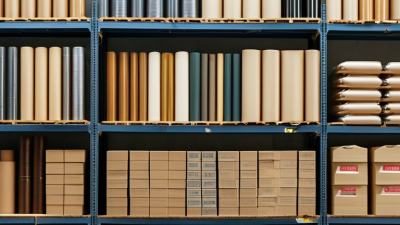
China’s leading thermal transfer paper suppliers stand out through controlled coating performance. Their papers must release ink evenly, even at high-speed printing. A smooth surface reduces pinholes, blurred edges, and uneven color density. Experienced manufacturers adjust coating formulas for ribbons, printers, and different label materials. This practical knowledge often comes from repeated production trials, not brochures alone.

Reliable suppliers also build quality checks into each production stage. They inspect moisture, basis weight, surface energy, winding tension, and roll dimensions. Small variations can cause wrinkles or poor adhesion during conversion. Many factories provide sample rolls before mass production. That step lets buyers test barcode clarity, heat resistance, and storage behavior in real conditions. Technical documents should state test methods, tolerances, and recommended storage temperatures. Clear records matter.

Customization is another important feature. Suppliers may offer different widths, lengths, cores, and packaging designs. They can also discuss recyclable substrates or lower-coating options when applications permit. However, greener claims require evidence. Not every “eco” option performs equally well. That deserves scrutiny. In my experience, the best discussions include failure samples, not only successful prints. No supplier gets every trial perfect. What matters is how quickly the team identifies the cause, reports it honestly, and adjusts the next production run. Consistent communication, traceable batches, and realistic delivery schedules make a supplier more dependable for long-term purchasing.

Thermal Transfer Paper Manufacturing Processes and Materials

China Best Thermal Transfer Paper Manufacturers

Thermal transfer paper begins with a stable cellulose base. FAO reported global paper and paperboard production at about 401 million tonnes in 2022. That scale highlights the importance of fiber consistency and responsible sourcing. Manufacturers normally refine pulp, form the sheet, press it, and control moisture before coating.

The functional layer often combines mineral fillers, polymer binders, release agents, and ink-receptive chemicals. Each material affects image sharpness, drying speed, peeling behavior, and transfer temperature. The coating is applied through precision rollers or blade systems. Hot-air drying follows. Calendering then smooths the surface and improves winding performance. Smithers’ market analysis has projected strong growth for digital textile printing through 2028, increasing demand for transfer media with stable color release. Yet growth does not remove technical weaknesses. Excessive coating can crack. Low coating weight can cause bleeding. Small errors become visible on dark fabric.

Tips: Test paper with the intended ink, printer, fabric, and press. Measure basis weight, moisture, coating thickness, and peel force. Store rolls in sealed packaging at controlled temperature. Do not trust one successful batch. A practical quality plan should include aging tests, because humidity can change transfer results. Manufacturers should also review recycled fiber content carefully; sustainability claims can sound impressive but still require traceable evidence.

Quality Standards for Chinese Thermal Transfer Paper Manufacturers

China Best Thermal Transfer Paper Manufacturers

Quality standards should guide every supplier evaluation, not only price comparisons. Chinese thermal transfer paper manufacturers should control basis weight, coating uniformity, moisture, and surface smoothness. These factors affect ink release, image density, and printing stability. A reliable factory provides current test reports, batch records, and clear inspection methods. ISO 9001-based procedures can support consistency, but certification alone proves little. Real production evidence matters more.

During supplier audits, request samples from several production batches. Check roll width, winding tension, core size, and edge quality. Test printed images for sharpness, rub resistance, heat stability, and storage performance. Ask how rejected material is isolated and recorded. Some suppliers report excellent laboratory results but provide weak packaging details. That gap deserves attention. No process is perfect. Even experienced manufacturers should review coating variation and seasonal humidity effects.

Tips: Compare samples under the same printer settings. Record temperature, pressure, speed, and paper lot numbers. Request a certificate of analysis for each shipment. Inspect cartons for crushed edges or moisture marks. A small pilot order can reveal problems earlier than a large purchase. Also, confirm technical support response times before approval. Silence after delivery is not a quality standard.

Quality Standards for Chinese Thermal Transfer Paper Manufacturers

This chart shows the edition years of internationally recognized ISO test standards commonly used to evaluate paper properties such as grammage, thickness, moisture, brightness, tearing resistance, and roughness. These standards support consistent quality control and supplier evaluation, but they do not represent data from any specific company or brand.

How to Select a Reliable Thermal Transfer Paper Manufacturer in China

China Best Thermal Transfer Paper Manufacturers

How to Select a Reliable Thermal Transfer Paper Manufacturer in China

Selecting a reliable thermal transfer paper manufacturer requires more than comparing prices. Start by checking the paper’s coating, weight, smoothness, and heat resistance. Ask for samples printed with your actual ink, printer, and transfer temperature. Small tests reveal problems that product brochures often hide. Watch for uneven coating, curling edges, weak color release, or paper sticking to fabric. A dependable manufacturer should explain these risks clearly, not promise perfection.

Review the manufacturer’s quality system and production records. Request batch inspection reports, material specifications, and clear tolerance ranges. Experienced suppliers usually control moisture, coating thickness, drying temperature, and roll tension. These details affect storage life and printing stability. Ask how they handle defective rolls and replacement claims. Communication matters, too. Replies should be specific, documented, and consistent across sales and technical staff. I have learned that quick answers are not always useful answers.

Tips: Request three samples from different batches. Test them after storage for several weeks. Compare color accuracy, transfer speed, and waste levels. Confirm packaging, labeling, lead time, and export documents before ordering. Visit the factory if possible, but remember that a polished visit cannot replace repeated performance checks. No supplier is perfect. Your evaluation process should allow for mistakes, correction, and honest review.