Why Are Thermal Papers Essential for Modern Printing Solutions?
In today's fast-paced world, Thermal Papers play a crucial role in modern printing solutions. According to Dr. Lisa Chen, a leading expert in printing technologies, "Thermal Papers have transformed the way we capture and share information." Their unique properties make them indispensable in various industries.
Thermal Papers are widely used in point-of-sale systems, meters, and labeling. They are known for their quick printing capabilities and durability. With increasing demands for efficient and reliable printing solutions, businesses turn to Thermal Papers for their needs.
Yet, the industry must address challenges. The environmental impact of thermal printing is a growing concern. As technology advances, finding sustainable options for Thermal Papers will be vital. Balancing convenience and eco-friendliness is a task that requires ongoing reflection and innovation in the sector.
The Basics of Thermal Paper: What It Is and How It Works
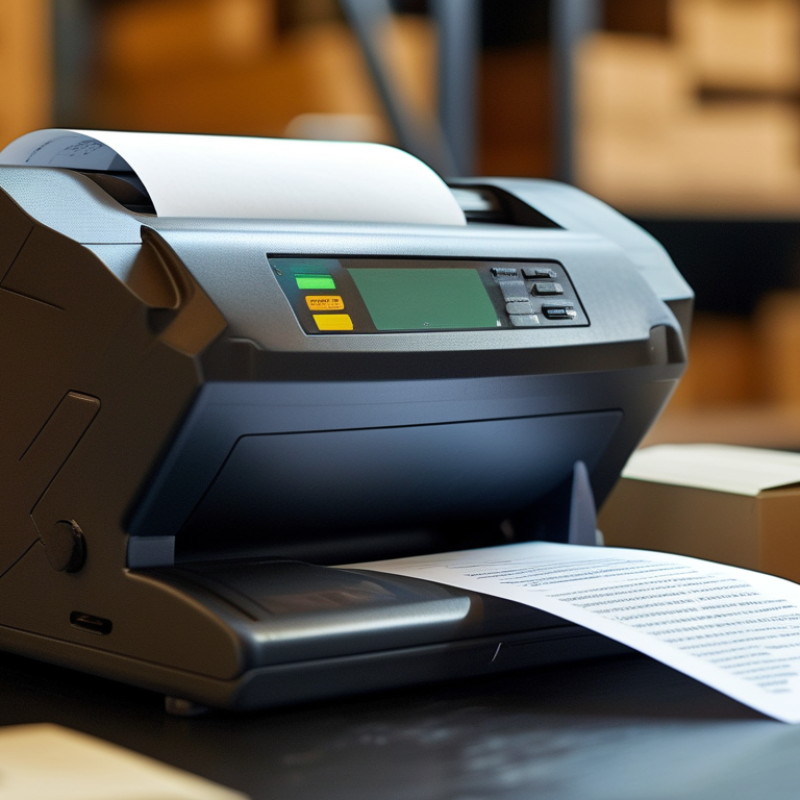
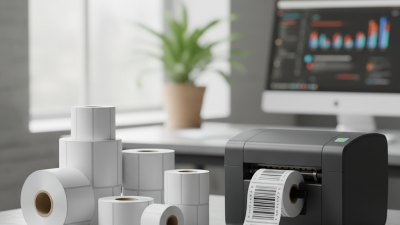
Thermal paper is a unique type of paper that is essential for modern printing solutions. It has a special coating that reacts to heat. When the thermal printhead generates heat, it creates images or text on the paper. This process is quick and efficient. You can find thermal paper in various applications, from receipts to labels. The convenience of thermal printing makes it a popular choice.
Understanding the mechanics of thermal paper reveals its advantages. It does not require ink or toner. This makes it cost-effective for businesses. However, some challenges come with this technology. The durability of thermal prints can be an issue. They can fade over time and may not withstand extreme conditions. These drawbacks require careful consideration when choosing thermal paper for specific needs.
The properties of thermal paper affect its usage. It is lightweight and easy to handle. Yet, quality can vary between suppliers. Some might not meet industry standards. This inconsistency is a point of concern. Users need to be aware of potential issues. Taking time to research and select reliable thermal paper ensures better outcomes.
Usage of Thermal Papers in Different Industries
Key Advantages of Thermal Paper in Modern Printing Applications
In the realm of modern printing solutions, thermal paper has carved out a vital niche. Its unique properties enhance various applications, from receipts to labels. According to a report from Smithers Pira, the demand for thermal paper is expected to reach 3.1 million metric tons by 2026. This surge is largely due to its efficiency and convenience.
One of the key advantages of thermal paper is its quick printing speed. Unlike traditional inks, thermal printing utilizes heat to produce images, cutting down wait times significantly. Studies indicate that businesses using thermal printers see productivity gains of up to 20%. In addition, thermal papers eliminate the need for ink cartridges, reducing operational costs. However, this cost-saving comes with a need for careful storage, as thermal paper can degrade in heat and light, a detail often overlooked.
Moreover, thermal paper has a favorable environmental footprint. It is recyclable, which aligns with growing sustainability trends in printing. The industry is also innovating with eco-friendly thermal formulations. However, there are concerns regarding the use of BPA in some thermal papers. This highlights a need for ongoing research and development in safer alternatives. Balancing efficiency and safety will be critical moving forward.
Common Uses of Thermal Paper in Various Industries
Thermal papers have become integral in various industries due to their versatility and efficiency. In retail, they are widely used for point-of-sale receipts. Quick printing and high-quality output make them a favorite.
Restaurants also rely on thermal paper for printing orders and kitchen tickets, ensuring accuracy during busy hours. This fast-to-use paper type enhances operational efficiency, especially in service-oriented environments.
In the healthcare sector, thermal papers are crucial for labeling and patient records. They resist smudging and fading, which is vital for documentation. Medical devices also utilize thermal paper for printing vital signs, ensuring that health professionals have reliable information at their fingertips.
Tips: Ensure the thermal paper used is compatible with your printers. Regularly check for any fading prints, as this can lead to miscommunication. Store thermal paper away from direct sunlight to maintain its quality.
Environmental Considerations: Is Thermal Paper Sustainable?
Thermal paper is becoming a popular choice in today's printing solutions. However, its sustainability is often questioned. The manufacturing of thermal paper raises environmental concerns. Most thermal papers contain chemicals that render them non-recyclable. This poses a challenge for eco-conscious consumers and businesses alike.
Additionally, the disposal of thermal paper can contribute to waste. Unlike conventional papers, thermal papers produce waste that cannot be easily composted or processed. This factor is increasingly important as industries strive for greener practices.
However, some manufacturers are exploring eco-friendly alternatives. Biodegradable coatings are emerging as potential solutions to reduce the environmental impact.
Yet, the transition to sustainable thermal paper is not without obstacles. Awareness about these alternatives is still limited. Businesses must balance cost and environmental responsibility. The journey toward sustainability in thermal paper production is ongoing. Discussions are crucial to find comprehensive solutions that satisfy both environmental and practical needs.
Future Trends in Thermal Printing Technology and Paper Solutions
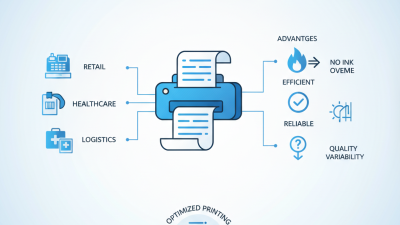
Thermal printing technology continues to evolve, shaping how businesses meet their printing needs. As industries push for efficiency, thermal papers have emerged as essential components. This trend highlights the growing demand for reliable, high-quality printouts in various sectors. Retail, logistics, and healthcare industries rely on thermal printing for labels, receipts, and medical records.
One significant trend is the shift toward eco-friendly thermal papers. These papers minimize the use of harmful chemicals, appealing to sustainability-conscious consumers. Companies are exploring alternatives to traditional thermal coatings. This results in safer options for both users and the environment. However, the transition poses challenges. Not all eco-friendly papers meet the durability and quality standards required for high-volume printing.
Moreover, incorporating smart technology is another emerging trend. Smart labels equipped with QR codes or RFID chips elevate the functionality of thermal printed materials. This technology enhances customer interaction and improves tracking. Yet, integrating such features requires careful consideration of technology compatibility. Businesses may face confusion over implementation. As thermal printing advances, staying informed about these trends will be crucial for maintaining a competitive edge.
Why Are Thermal Papers Essential for Modern Printing Solutions? - Future Trends in Thermal Printing Technology and Paper Solutions
| Feature |
Importance |
Future Trends |
| Durability |
Resistant to fading and damage |
Development of long-lasting thermal papers |
| Cost-Effectiveness |
Lower production costs compared to other inks and papers |
Emerging low-cost production techniques |
| Eco-Friendliness |
Less harmful materials used in production |
Increased focus on biodegradable thermal papers |
| Speed |
Faster printing speeds than traditional methods |
Automation and improved printing technologies |
| Versatility |
Suitable for various applications (receipts, labels, etc.) |
Expansion into new sectors (healthcare, logistics) |




 Phone
Phone Send Email