2026 Top Trends in Thermal Papers for Business Applications
The landscape of business applications is rapidly evolving, and thermal papers play a pivotal role in this transformation. According to a recent market research report, the global thermal paper market is projected to reach $4.79 billion by 2026, indicating a compound annual growth rate of approximately 4.8%. This growth reflects increasing demand across retail, logistics, and healthcare sectors. Thermal papers are valued for their efficiency and versatility. They enable faster transactions and accurate labeling, essential in today's fast-paced environment.
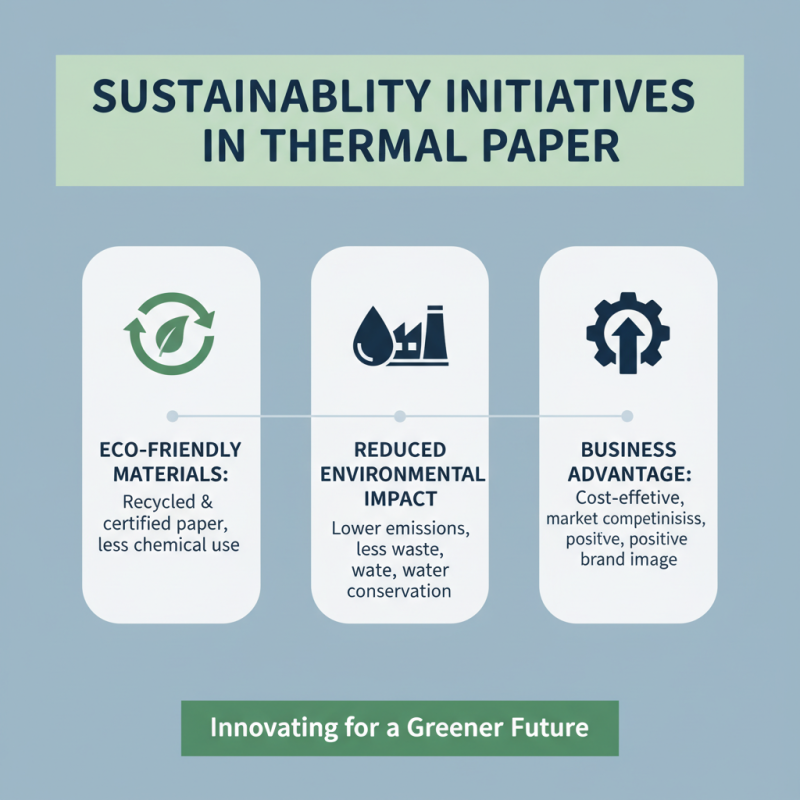
Challenges remain, however. While innovations improve quality, businesses must address sustainability issues. The conventional production methods for thermal papers can lead to environmental stress. Moreover, regulatory pressures are mounting to reduce harmful chemical usage in manufacturing. These factors compel organizations to rethink their sourcing and application strategies.
Incorporating advanced technologies, like eco-friendly thermal coatings, could enhance both performance and safety. Nonetheless, as businesses implement new solutions, careful analysis of cost versus benefits is necessary. Ensuring reliability without compromising on sustainability goals is crucial. The future of thermal papers in business applications hinges on navigating these complexities while responding to evolving market needs.

Emerging Technologies Shaping Thermal Paper Production in 2026
The landscape of thermal paper production is evolving rapidly. Emerging technologies are driving this transformation. Innovations in materials science are leading to more sustainable options. For instance, bio-based coatings are being explored to replace traditional chemicals. These advancements reduce environmental impact while maintaining performance.
Automation is another significant trend. Factories are adopting smart manufacturing technologies. This increase in efficiency allows for better quality control. Yet, reliance on automation raises questions about job displacement. It’s crucial to balance technological advancement with the workforce’s needs.
Digital printing technologies are reshaping how thermal papers are produced. Customization is now easier than ever. Businesses can print unique designs quickly. However, not all companies are adapting at the same pace. Some struggle with integration, which highlights the importance of tailored training for employees. Embracing these trends while acknowledging potential gaps will define the future of thermal paper in business applications.
Innovative Applications of Thermal Papers in Business Environments
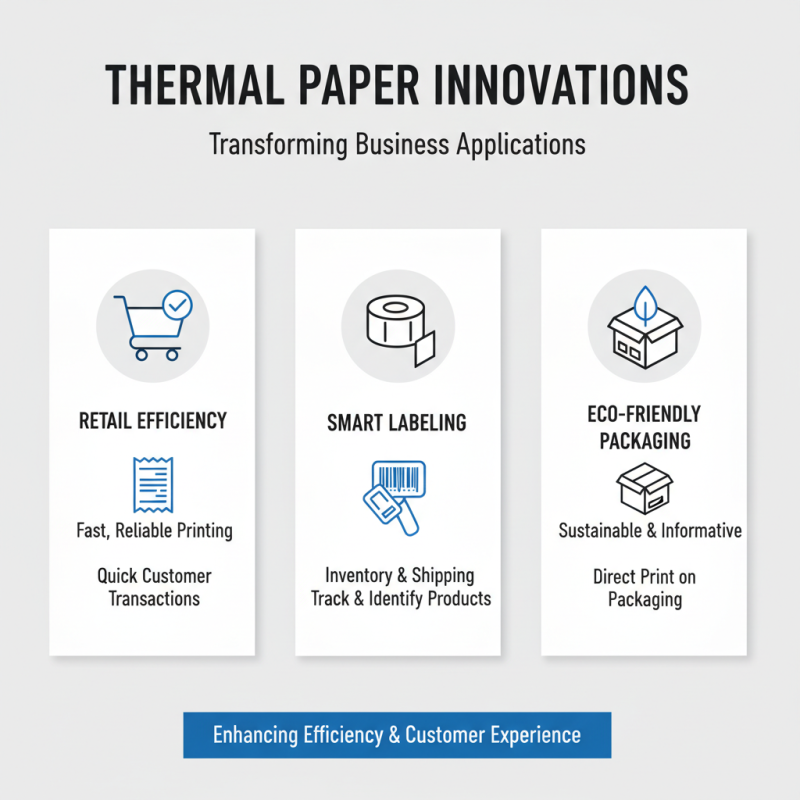
Thermal papers have transformed various business applications. Their innovative use in receipts, labels, and even packaging enhances efficiency. For instance, retailers benefit from fast, reliable printing. Customers appreciate quick transactions with clearly printed receipts.
In logistics, thermal labels streamline package tracking. They offer durability and resistance to fading, making them ideal for shipping needs. Businesses often rely on these labels to ensure accuracy and reduce errors. However, not all thermal papers perform equally under different conditions.
The trend toward eco-friendly options is notable. Companies seek sustainable thermal papers that minimize environmental impact. Some face challenges in sourcing these materials without compromising quality. This balance between sustainability and functionality requires ongoing assessment and adaptation.
Consumer Preferences and Trends Impacting Thermal Paper Usage
The rise of consumer preferences is reshaping thermal paper usage significantly. In 2026, businesses must adapt to evolving trends. Eco-friendly materials are gaining traction. Consumers increasingly seek sustainable options. This shift leads to a greater demand for biodegradable and recyclable thermal papers.
Moreover, digital invoicing is on the rise. However, many consumers still prefer printed receipts. This duality poses a challenge for businesses. They must balance new technologies with traditional methods. Understanding customer expectations can guide companies in their choices. Prioritizing quality over quantity can create lasting impressions.
Customization is another critical trend. Personalized receipts add a unique touch. Consumers appreciate tailored messages or designs. Yet, this approach requires businesses to invest more time and resources. Not all companies are ready to embrace these changes completely. They must reflect on their existing processes to innovate effectively.
2026 Top Trends in Thermal Papers for Business Applications
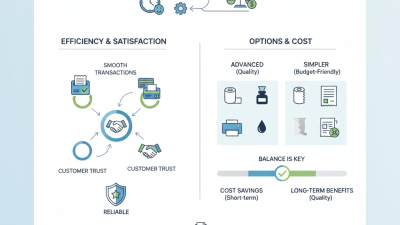
This chart illustrates the projected preferences and trends impacting thermal paper usage across various business applications for the year 2026. The data highlights key factors such as eco-friendliness, print quality, cost-effectiveness, and versatility.
The Future of Thermal Paper: Challenges and Opportunities Ahead
As businesses eye the future, thermal paper is facing both challenges and opportunities. One pressing issue is sustainability. Traditional thermal paper often contains harmful chemicals, raising environmental concerns. As regulations tighten, businesses must seek alternatives that balance performance with ecological responsibility. New materials are emerging, but they may not always match the longevity of conventional options.
Moreover, the digital transformation poses another challenge. Many companies are transitioning to digital receipts and invoicing. This shift threatens the demand for thermal paper. However, it also opens doors for innovative applications. For instance, some are exploring uses in smart packaging and labels. These advancements could redefine how thermal paper integrates into modern workflows.
Industry experts emphasize the need for adaptation. Companies must invest in research and development to stay relevant. Collaborating with innovators can spark ideas for new applications. Understanding market trends is crucial to navigate this evolving landscape. Having the right strategy may turn challenges into profitable ventures for businesses embracing thermal paper solutions.
2026 Top Trends in Thermal Papers for Business Applications - The Future of Thermal Paper: Challenges and Opportunities Ahead
| Trend |
Description |
Challenges |
Opportunities |
Market Growth (%) |
| Sustainability in Thermal Papers |
Increased demand for eco-friendly thermal papers that reduce environmental impact. |
Higher production costs and sourcing sustainable materials. |
Growing consumer preference for sustainable products can enhance market presence. |
12% |
| Digital Integration |
Integration of digital technology with thermal printing for improved efficiency. |
Need for investment in advanced printing technologies. |
Enhanced functionality can attract tech-savvy businesses. |
10% |
| Health & Safety Regulations |
Adherence to new health and safety standards governing paper products. |
Compliance costs and the need to reformulate products. |
Ability to offer safer products, gaining consumer trust. |
8% |
| Customization |
Higher demand for customizable thermal paper solutions. |
Challenges in production processes for small batch sizes. |
Potential for niche markets and personalized customer service. |
15% |
| Increased Durability |
Focus on developing longer-lasting thermal papers. |
Higher costs associated with research and materials. |
Opportunity to cater to sectors needing more reliable solutions. |
9% |




 Phone
Phone Send Email