How to Choose the Best Thermal Papers for Your Business?
In today's fast-paced business world, choosing the right Thermal Papers is crucial for operational success. These papers are essential for printing receipts, labels, and tickets. The quality of Thermal Papers can significantly impact the clarity and durability of your printed materials, affecting customer satisfaction and business efficiency.
Each type of Thermal Paper has its unique properties, such as sensitivity and brightness. An informed choice depends on understanding your business's specific needs. Businesses often overlook factors like paper thickness and chemical coatings, which can lead to unsatisfactory results. A wrong choice may result in smudged prints or even equipment damage.
When evaluating Thermal Papers, consider the long-term cost versus quality. Cheaper options may save money initially but can frustrate employees and customers alike. Investing in reliable Thermal Papers enhances the professional image of your business. Therefore, thorough research is necessary to avoid potential pitfalls. Balancing price and performance is not easy but essential for maintaining quality service.
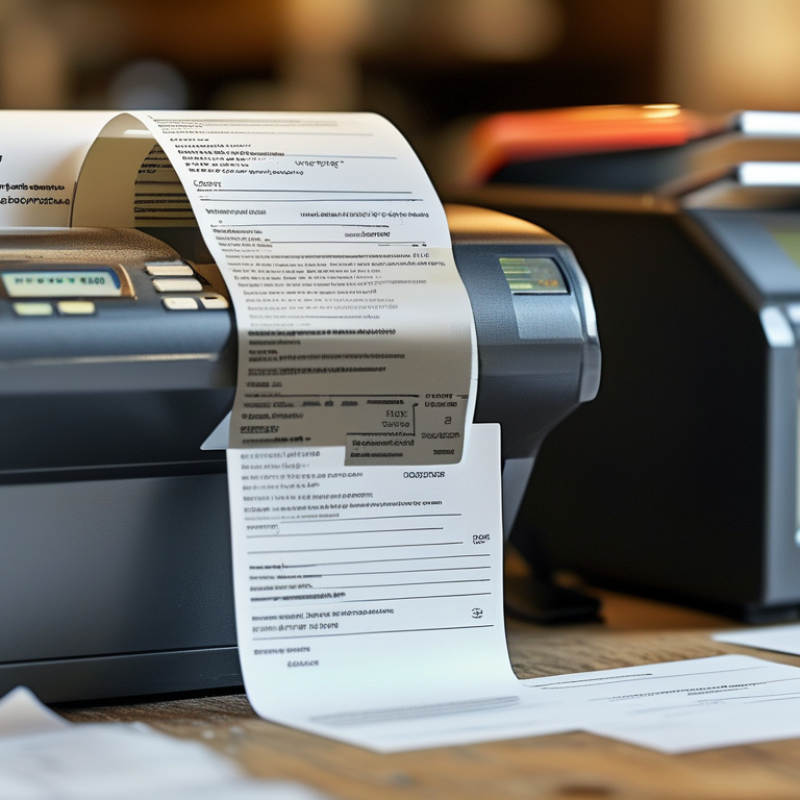
Understanding Different Types of Thermal Papers in the Market
When selecting thermal papers, understanding the various types available is crucial. The market offers coated, uncoated, and direct thermal options. Coated thermal papers are designed with a special layer that enhances print quality. They are ideal for receipts and labels that require durability. Uncoated thermal papers, while generally less expensive, can fade more quickly. Businesses should consider their printing needs carefully.
Moreover, direct thermal papers react to heat from printers. This means they do not require ribbons or inks, making them cost-effective. However, direct thermal prints can be sensitive to light and heat over time. For uses where longevity is necessary, specialized papers that resist fading or environmental damage may be more suitable. Not every option is perfect, and choosing the wrong type can lead to increased operational costs.
Compatibility is another vital aspect. Different printers may only work with specific thermal papers. It's worth testing a few options to determine which yields the best results. Choosing thermal papers involves a deeper understanding of your business needs, printer capabilities, and the specific conditions under which the paper will be used.
Key Factors to Consider When Selecting Thermal Papers for Your Business
Choosing the right thermal paper is crucial for any business that relies on printing transactions. One key factor to consider is paper quality. High-quality thermal papers offer better image clarity and durability. According to industry reports, high-grade thermal paper can improve print quality by up to 30%. However, not all high-quality papers are suitable for every application.
Another factor is thermal sensitivity. This refers to how quickly a paper reacts to heat. Enhanced sensitivity allows for faster printing speeds, which can significantly impact operations. For example, papers with a sensitivity rating of less than 0.5 seconds are ideal for high-volume environments. Yet, businesses often overlook this detail, leading to delays and inefficiencies.
Size and thickness also matter. Common sizes include 2- and 3-inch rolls, but your choice should depend on your equipment. Studies show that improper sizing can result in 15% more waste. Furthermore, consider environmental impact. The shift towards eco-friendly options is a growing trend. While these papers may be more expensive, they offer long-term savings and brand loyalty advantages. Balancing these factors can be challenging, but it is essential for operational success.
Evaluating the Durability and Shelf Life of Thermal Papers
When evaluating thermal papers, durability and shelf life are crucial factors. Studies show that quality thermal papers can have a shelf life of up to five years. However, cheaper alternatives may degrade significantly faster, sometimes within a year. This degradation can lead to fading prints and compromised readability. In industries where precise records are essential, such as healthcare or finance, choosing the right paper becomes vital.
Durability is often tested through exposure to heat and moisture. High-quality thermal papers can withstand environmental stressors, ensuring that printed materials remain intact. Reports indicate that the ideal thermal paper should resist yellowing and fading even after long storage periods. Experts recommend conducting tests to assess how different types of thermal papers hold up under varying conditions. Not all papers perform equally well, and this inconsistency can impact business operations.
Real-world experiences illustrate the importance of long-lasting thermal papers. Professionals sometimes find that low-cost options lead to unexpected replacements. Frequent reprints not only waste resources but also disrupt workflow. The challenge is to maintain a balance between cost-effectiveness and quality, a reflection many businesses face when sourcing thermal papers. Each choice carries consequences—making informed decisions is essential.
Durability and Shelf Life of Various Thermal Papers
Analyzing Cost-Effectiveness and Supplier Options for Thermal Papers
When analyzing the cost-effectiveness of thermal papers, it's essential to evaluate both price and quality. Low-cost options may save money upfront but risk failure in durability and print quality. Consider the longevity of the thermal paper. If it fades quickly, frequent replacements can add to overall expenses. Always assess the total cost of ownership, not just the initial purchase price.
Choosing the right supplier will influence your overall satisfaction. Look for vendors with a proven track record. Reliable suppliers provide consistent quality, which is crucial for maintaining business operations. Evaluate their customer service and support, too. A good supplier will address any issues promptly, preventing disruptions in your workflow.
Tips for selecting thermal papers include checking reviews and feedback from other businesses in your industry. Discuss your needs with potential suppliers. Ask questions about their products' durability and compatibility with your printing devices. Be open-minded about trying a few different options to see what fits best. Remember that what works for one business might not work for another. Take your time to test and reflect on the choices available.
Industry Standards and Certifications for Quality Thermal Papers
When selecting thermal papers, understanding industry standards and certifications is crucial. Quality thermal papers have specific characteristics that define their effectiveness. Look for papers that comply with TUV and SGS certifications. These indicate that the products meet rigorous safety and quality requirements.
Tips: Always check for certifications. They assure you of the paper’s durability and resistance to fading. Papers certified for use in point of sale systems can offer better performance and longevity.
Another aspect to consider is environmental impact. Eco-friendly thermal papers are available and often carry FSC certification. These papers help reduce environmental waste while still providing quality performance.
Tips: Prioritize sustainable options. This not only benefits your business image, but it also appeals to environmentally conscious consumers. Remember, choosing the right thermal paper is a balance of quality, performance, and ethical considerations.





 Phone
Phone Send Email