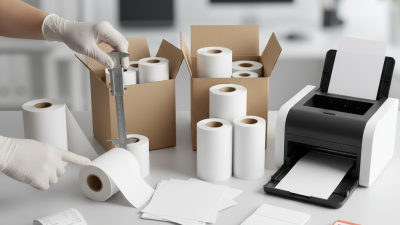
The thermal papers industry plays a vital role in various sectors, from retail to logistics. With a growing demand for quality and innovative paper solutions, global buyers are increasingly looking towards China for reliable suppliers. According to Dr. David Liu, a respected expert in thermal paper technology, “Finding the right thermal papers supplier is crucial for business efficiency.” His insights highlight the importance of choosing partners who understand the nuances of this market.
China has emerged as a key player in the thermal papers landscape. Numerous suppliers boast advanced production capabilities and quality assurance. However, navigating this landscape can be challenging. Buyers must consider factors like paper quality, pricing, and supplier reliability. The diverse range of products available reflects both the opportunities and complexities present in the thermal papers market.
While many suppliers excel, not every company meets high standards. Issues like inconsistent quality or delayed shipments can arise. Therefore, establishing a partnership requires careful evaluation. Buyers must remain vigilant and seek suppliers that demonstrate both expertise and commitment to excellence in thermal papers.

Thermal paper has become integral to various industries. Its features make it ideal for printing receipts, labels, and tickets. This paper is sensitive to heat and does not require ink. Instead, it changes color when exposed to a heat source. This is what makes thermal printing efficient.
Different types of thermal paper exist. Some are designed for high-speed printers, while others are better for applications requiring durability. For instance, papers used in outdoor settings often have a protective coating to withstand elements. Short lifespan papers are cheaper, but they might fade quickly under sunlight. Choosing the right type can impact both cost and functionality for businesses.
Tip: For efficient thermal printing, ensure your printer settings match the paper type you are using. Regularly check alignment to avoid waste. Be aware that low-cost options sometimes compromise on quality. A good balance of cost and performance is essential in choosing suppliers. You might need to reflect on whether short-term savings are worth potential long-term issues.
| Type of Thermal Paper | Applications | Width (mm) | Basis Weight (g/m²) | Coating Type |
|---|---|---|---|---|
| Standard Thermal Paper | Receipt printing, POS terminals | 80 | 55 | Single coating |
| High-Quality Thermal Paper | High-end receipts, tickets | 57 | 60 | Double coating |
| Water-Resistant Thermal Paper | Outdoor applications, food service | 80 | 65 | Special coating |
| Color Change Thermal Paper | Promotional materials, coupons | 75 | 57 | Color reactive |
| Eco-Friendly Thermal Paper | Sustainable applications, receipts | 80 | 50 | No BPA |
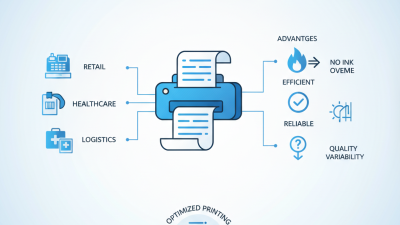
When choosing a thermal paper supplier, several key factors should be considered.
Quality is paramount; look for suppliers with certifications such as ISO 9001. This indicates adherence to quality management standards. According to industry reports, high-quality thermal paper can increase printing efficiency by 15%.
Pricing also plays a significant role in selecting a supplier. Competitive pricing does not always reflect quality. Research shows that cheaper thermal papers may lead to issues like smudging or fading, affecting usability. Reliable suppliers often offer transparent pricing structures, allowing buyers to understand what they are paying for.
Additionally, consider the supplier’s production capacity. A supplier with consistent production capabilities can meet large volume orders without delay. Delivery timelines and freight options are also crucial. Understanding logistics can help avoid unexpected costs and delays.
Reflecting on these aspects reveals the complexity of sourcing thermal paper effectively, emphasizing the need for thorough research and evaluation of potential suppliers.
China dominates the thermal paper market, accounting for a significant share of global production. Reports indicate that the demand for thermal paper is expected to reach 5.5 million tons by 2025. This growth stems from various sectors, including retail, logistics, and healthcare. As businesses seek efficient printing solutions, thermal paper remains a vital commodity.
Many suppliers in China offer diverse thermal paper types. They cater to different printing methods and applications. Some focus on quality, while others prioritize cost-effectiveness. Buyers must navigate this landscape carefully to find the best fit for their needs. A recent market analysis highlights the importance of quality control, as inconsistent paper can lead to printer malfunctions.
Tip: Always request samples before committing to larger orders. This approach helps assess quality and compatibility with your printers. Remember, not all suppliers guarantee top-tier products. Therefore, vetting suppliers thoroughly remains crucial. Balancing quality and price can be challenging in such a competitive market. Regularly review supplier performance to ensure long-term success.
This chart illustrates the market share of various thermal paper products in China, showcasing different product types and their respective market percentages. This analysis helps global buyers understand the competitive landscape in the thermal paper industry.
Navigating the landscape of thermal paper suppliers in China can be challenging. Many global buyers share experiences of varying quality and reliability. Some suppliers offer competitive pricing but lack consistency in product quality. Buyers often report mixed reviews about delivery times. While some shipments arrive on schedule, others face delays. This inconsistency can disrupt business operations.
Communication is another critical factor. Effective and timely responses from suppliers can foster a smoother transaction process. However, language barriers sometimes hinder clear understanding. Some buyers express frustration over unclear specifications and product descriptions. This can lead to misaligned expectations and unsatisfactory purchases.
Engaging with multiple suppliers can provide insight into their practices. Buyers are advised to seek samples before committing to large orders. This step can help ensure that the paper meets industry standards. Additionally, it allows buyers to assess the supplier's responsiveness and reliability. Genuine feedback from peers can guide decisions. It’s essential to consider both positive and negative reviews when evaluating potential suppliers.
The thermal paper industry is evolving rapidly. Innovations are driven by the need for eco-friendly options and improved printing solutions. Suppliers are increasingly focusing on sustainable materials. These advancements not only enhance performance but also reduce environmental impact.
Tips: Consider suppliers that align with sustainability goals. Look for those who prioritize recycled materials. It can make a significant difference.
Another trend is the incorporation of advanced technology. Smart features are being integrated into thermal papers. These can provide better tracking and authenticity. Suppliers are investing in research to create these next-generation products. Buyers should keep an eye out for these innovations.
Tips: Stay updated on supplier developments. Participating in industry conferences can provide insights. Networking with experts can lead to potential partnerships.
Overall, the thermal paper market is shifting. Engaging with innovative suppliers can be beneficial for businesses looking to adapt to changing demands. Embracing these trends will help in maintaining competitiveness.