Top Tips for Choosing the Best Inkjet Label Sheets?
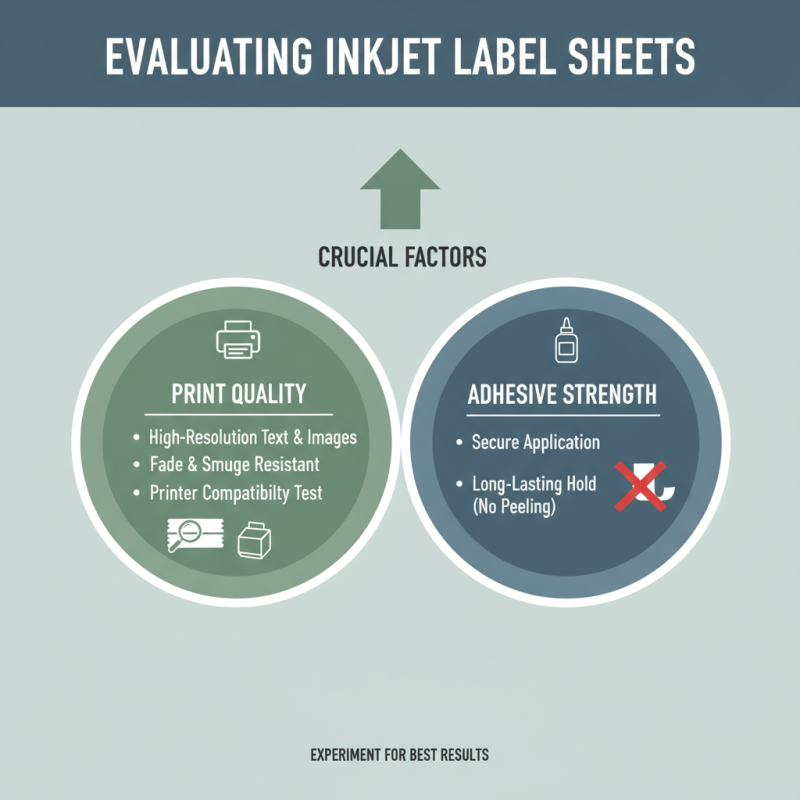
Choosing the right Inkjet Label Sheets can significantly impact your labeling projects. With numerous options available, it’s essential to make informed decisions. Quality is key, but that often means weighing various factors carefully.
Consider the type of paper. Some sheets are glossy, while others are matte. Glossy can enhance color and make images pop. However, matte offers a more professional finish. Think about how you plan to use these labels. Will they be exposed to moisture or sunlight? These factors influence your choice.
Compatibility with your printer is crucial too. Not all Inkjet Label Sheets work with every printer model. Misalignment or poor print quality can frustrate your efforts. Many users overlook this, resulting in wasted materials. Additionally, check the adhesive properties. Strong adhesion prevents labels from peeling. Yet, too strong an adhesive might damage surfaces upon removal. These details provide insight into what to prioritize during your selection process.
Understanding Inkjet Label Sheets and Their Uses
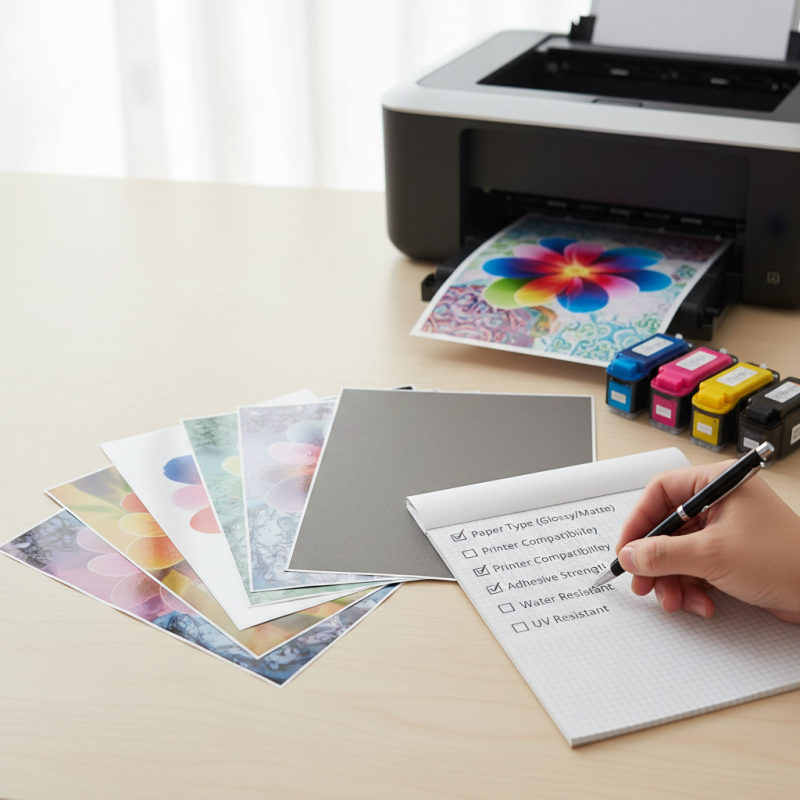
Inkjet label sheets serve a variety of purposes, from shipping to crafting. They allow for customization, making them a popular choice for individuals and businesses alike. Reports indicate that 71% of small businesses use custom labels to enhance branding. This statistic highlights the importance of choosing the right label sheets for your specific needs.
When considering inkjet label sheets, it's crucial to understand their material composition. Sheets can be made from paper or synthetic materials, each with distinct advantages. Paper labels tend to be cost-effective and are best for indoor use. Synthetic options, like polyester or vinyl, are more durable and water-resistant, making them suitable for outdoor applications. Studies show that nearly 44% of users report peeling or fading issues with paper labels under certain conditions.
While customizing labels, users should pay attention to the adhesive used. Some adhesives may not adhere well to all surfaces or may leave residue when removed. This can be frustrating in professional settings. Research reveals that improper label adhesion contributes to 30% of label failure cases, which can impact a brand's image. Select sheets that align with your intended use to minimize such risks.
Factors to Consider When Selecting Inkjet Label Sheets
When selecting inkjet label sheets, several factors come into play. Material is crucial. Different sheets have various textures and finishes that affect print quality. Glossy labels enhance vibrant colors, while matte options suit a more subdued look. Understanding the intended use helps in choosing the right finish.
Adhesive type matters too. Some labels have permanent adhesives, while others are removable. Make sure to pick an adhesive that fits your needs. For instance, removable labels are great for temporary applications, like organizing files. A permanent adhesive works better for product labeling, ensuring longevity.
Tips for testing sheets before bulk buying can save time. Print a sample to evaluate print quality and adhesive strength. Consider the weight and thickness of the paper as well. Thinner sheets might jam printers, increasing frustration. Remember, not all printers handle every label sheet well. Testing helps identify compatibility issues early. Always check the specifications and guidelines provided by your printer's manufacturer.
Key Factors to Consider When Choosing Inkjet Label Sheets
Comparing Material Types for Inkjet Label Sheets
When selecting inkjet label sheets, the material type significantly impacts the results. Different materials cater to various needs, whether it's for shipping labels, product labels, or organizational tasks. The choice of material affects adhesion, durability, and print quality.
Common materials include matte paper, glossy paper, and synthetic options. Matte paper has a sleek finish, which works well for professional applications. While it absorbs ink effectively, moisture can damage it. Glossy paper enhances colors and images. However, it may require special care during printing to avoid smudges. Synthetic labels, like polyester, offer waterproof and tear-resistant properties, making them ideal for challenging environments.
Consider the purpose of your labels. For short-term use, paper labels might suffice. However, for long-lasting applications, investing in synthetic labels is crucial. Balancing cost with quality can be tricky. You'll need to assess how well each material aligns with your specific needs. Always consider real-world scenarios; a label that looks good in theory might not perform as expected under actual conditions.
Top Tips for Choosing the Best Inkjet Label Sheets - Comparing Material Types for Inkjet Label Sheets
| Material Type |
Print Quality |
Water Resistance |
Price Range |
Best Use Case |
| Matte Paper |
Good |
Low |
$15 - $25 |
General labeling |
| Glossy Paper |
Excellent |
Medium |
$20 - $30 |
Product packaging |
| Vinyl |
Very Good |
High |
$25 - $40 |
Outdoor use |
| Clear Film |
Excellent |
Medium |
$30 - $45 |
Labels on colored surfaces |
| Recycled Paper |
Good |
Low |
$15 - $25 |
Eco-friendly products |
Assessing Compatibility with Inkjet Printers
When selecting inkjet label sheets, compatibility with your specific printer is crucial. Not all label sheets are designed for every inkjet model. Understanding the specifications of your printer can prevent future frustration. Look closely at the manufacturer’s recommendations or guidelines. This initial step sets the foundation for effective labeling.
The texture and weight of label sheets can also influence printing results. Some printers perform better with heavier, coated sheets. Conversely, lighter materials may jam or smudge. Experimenting with different sheets might be necessary. It can be a trial-and-error process. The end goal is to achieve crisp, clear labels that meet your needs.
In addition, consider the finish of your labels. Some labels are glossy, while others are matte. This choice affects ink absorption and drying time. A mismatch can lead to poor print quality or smearing. Testing samples before committing to a larger purchase can save time and resources. Your satisfaction lies in finding the right match for your printer's capabilities.





 Phone
Phone Send Email