How to Choose the Best Inkjet Label Sheets for Your Needs?
Choosing the right Inkjet Label Sheets can be challenging. The market is flooded with options, each promising superior performance. According to James Houghton, a leading expert in labeling solutions, “Investing in quality Inkjet Label Sheets can enhance your brand's visibility.” This highlights the significance of making an informed choice.
Label sheets come in various materials, adhesives, and finishes. It's crucial to consider the specific needs of your projects. Whether you require durability or print quality, each factor plays a role. Inconsistent label sheets can lead to wasted resources and frustration.
Understanding the intended use of Inkjet Label Sheets will guide your decision. For instance, some designs may look appealing but fail in real-world applications. Misalignment or poor adhesion can diminish effectiveness. A critical examination of options ensures you make a wise investment. Balancing quality and cost will enhance your labeling experience.

Understanding Different Types of Inkjet Label Sheets Available
When choosing inkjet label sheets, understanding their types is crucial. There are various options available in the market. The two most common types are matte and glossy label sheets. Matte sheets are ideal for a professional look. They absorb ink well, which makes colors appear softer and more subdued. Glossy sheets, on the other hand, provide vibrant colors and a shiny finish. This type is perfect for eye-catching labels, particularly for products in retail.
Additionally, size and adhesive strength are important factors to consider. Label sheets come in various sizes, from standard address labels to larger shipping labels. Data from a 2022 industry report indicates that adhesive quality affects longevity. High-quality adhesives ensure labels stay in place longer, even under adverse conditions. While most sheets are designed for typical indoor use, some report issues with labels peeling in high humidity. Consumers should also consider whether they need of removable labels or permanent options.
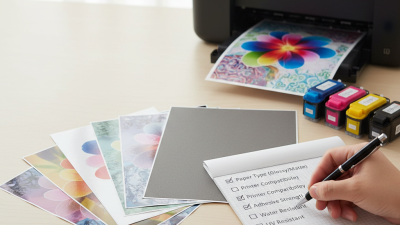
Another aspect is compatibility with different inkjet printers. Some sheets perform better with specific printer technologies. A survey revealed that 30% of users experienced printing issues due to incompatible sheets. Ensuring you choose sheets that work harmoniously with your printer model can save time and prevent waste. Familiarizing yourself with the characteristics of each type can lead to more effective choices for your labeling needs.
Key Factors to Consider When Selecting Inkjet Label Sheets
Choosing the right inkjet label sheets can be challenging. Several factors come into play. First, consider the material of the label sheets. Some are made from paper, while others use synthetic materials. Synthetic labels tend to be more durable and resistant to moisture.
Adhesive type is crucial as well. There are removable and permanent adhesives. Removable labels are great for temporary use, but they may not stick well on all surfaces. Permanent labels offer better adhesion but can be difficult to remove without leaving residue.
Print quality is another key aspect. Some sheets are designed for high-resolution printing. This is important if clarity and detail matter for your labels. You may also want to check for compatibility with your printer model. Not all sheets work seamlessly with every inkjet printer. Keep these details in mind to ensure a successful labeling experience.
How to Choose the Best Inkjet Label Sheets for Your Needs? - Key Factors to Consider When Selecting Inkjet Label Sheets
| Feature |
Details |
| Material Type |
Laser vs. inkjet compatible formulations, such as paper or polyester. |
| Size |
Common sizes include 1" x 2-5/8", 2" x 4", and custom sizes. |
| Adhesive Type |
Permanent, removable, or special formulations for specific surfaces. |
| Finish |
Glossy, matte, or clear finishes depending on the application. |
| Print Quality |
Considerations for resolution and color fidelity for clear printing. |
| Quantity |
Available in various pack sizes ranging from a few sheets to hundreds. |
| Compatibility |
Ensure labels are compatible with your specific inkjet printer model. |
| Cost |
Price per sheet varies significantly based on quality and features. |
Assessing Compatibility with Your Inkjet Printer
When selecting inkjet label sheets, compatibility with your printer is crucial. Many users overlook this aspect, leading to subpar results.
According to industry data, about 30% of printing issues stem from incompatible materials. Understanding the specifications of your inkjet printer can save time and prevent frustration.
Most printers have specific requirements regarding paper weight and finish. For example, a standard inkjet printer often works best with sheets that weigh between 24 to 30 pounds.
Thickness plays a significant role as well. Sheets that are too thick may jam, while those that are too thin could smudge and lead to poor-quality prints.
Checking the printer manual for recommended specifications is a wise step.
Another key factor is the ink absorption rate of the label sheets. Reports indicate that sheets with low absorption can cause ink to run or smear.
Users need to recognize that not all sheets perform the same across different printers. Testing various options may be necessary to find the best fit for your printing needs.
Establishing clear guidelines based on your printer's capacity can enhance the overall printing experience. Understanding these elements is essential for achieving optimal results.
Evaluating Label Adhesives and Durability for Specific Uses
When selecting inkjet label sheets, adhesive quality and durability are critical factors. Different projects require different adhesives. For instance, labels for food items must resist moisture. On the other hand, labels for outdoor use need to withstand extreme temperatures. Understanding your specific needs helps narrow down choices.
Durability also relates to the lifespan of the label under various conditions. Consider the surface you're applying them to and intended use. Some adhesives bond firmly on rough surfaces, while others excel on smooth ones. If a label is exposed to sunlight, a UV-resistant option is advisable.
Reflecting on past experiences can guide your decision. Have previous labels peeled or faded too quickly? Maybe the basic adhesive wasn’t suitable for your application. Take note of what worked and what didn’t. This approach will refine your selection process over time and ensure you make informed decisions for every project.
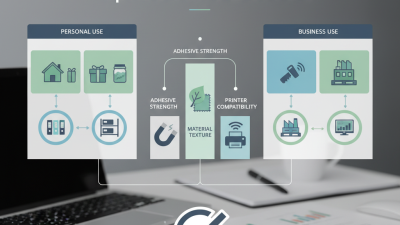
Inkjet Label Sheets Adhesive Strength and Durability Analysis
Cost vs. Quality: Finding the Best Value for Your Needs
When selecting inkjet label sheets, balancing cost with quality is crucial. Many consumers focus solely on price, but this can lead to subpar results. According to a 2022 report by Labeling Technologies, over 37% of buyers admit they did not consider the long-term durability of labels when choosing a product. Cheap sheets often yield low-quality prints that fade quickly. In fact, labels with inadequate adhesive strength can lead to labels peeling off after just a few weeks.
Quality labels, while sometimes pricier, provide better printing resolution and longevity. A high-quality sheet can withstand various environmental conditions, from moisture to temperature changes. Research shows that brands investing in quality inkjet sheets report a 65% increase in brand recognition when using well-printed labels. Upgrading to better materials might seem like a significant investment initially, but it often proves worthwhile.
Consider your specific needs before making a decision. Assess whether your labels will be used for short-term promotions or long-term product branding. Sometimes, the right choice may involve a compromise between quality and cost. Many customers find that cheaper options don't meet their expectations. Reflecting on your choices can lead to better decisions and improved results in the future.


 Phone
Phone Send Email