Why Choose Thermal Transfer Paper for Your Printing Needs?
Choosing the right printing materials can significantly impact efficiency and quality. "Thermal Transfer Paper" is a popular choice among professionals. John Smith, an expert in printing technology, notes, "The right paper can change everything." His insight reflects the reality that not all printing papers are equal.
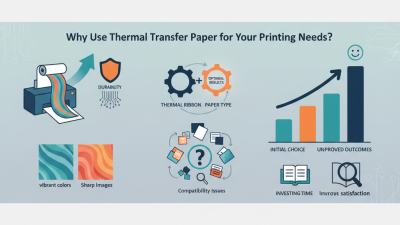
Thermal Transfer Paper offers durability and versatility. It is ideal for various applications, from labels to tags. This paper performs well under different conditions, ensuring visibility and longevity. Moreover, it delivers high-quality prints with vibrant colors. Many businesses rely on this type of paper for its reliable output.
While Thermal Transfer Paper has advantages, it may not suit every situation. Some may find it costlier than alternatives. Additionally, proper handling is crucial for optimal results. Understanding these factors can help users make better decisions. Overall, thermal transfer technology is worth considering for your printing needs.
Understanding Thermal Transfer Paper and Its Applications
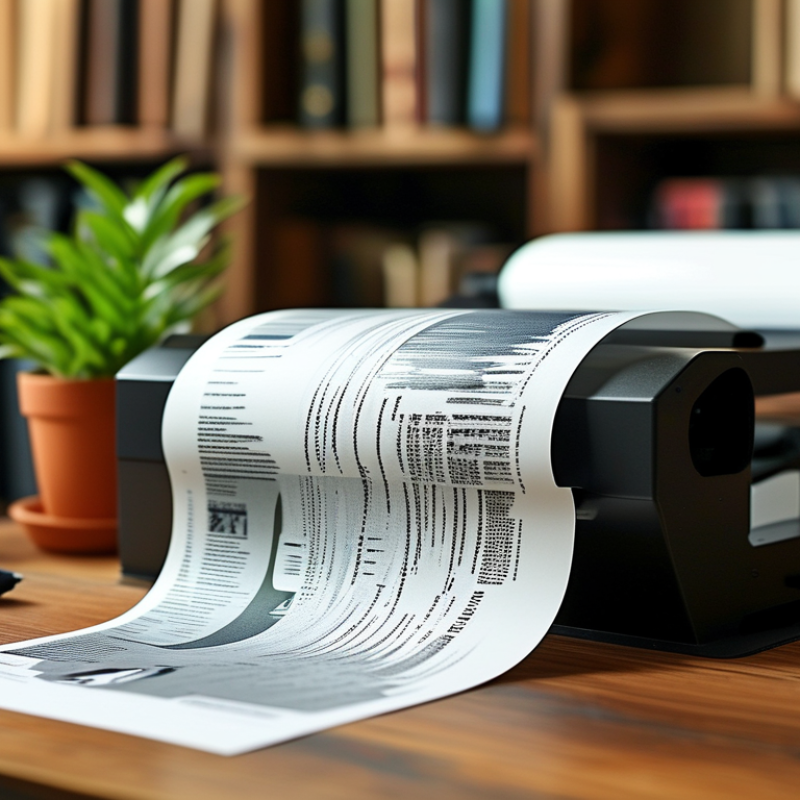
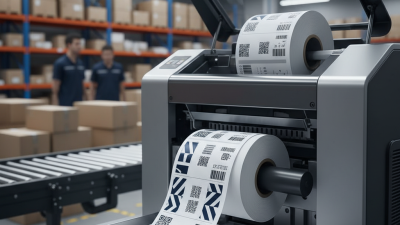
Thermal transfer paper is a versatile printing medium. It uses heat to transfer ink from a ribbon onto a substrate. This technique ensures vibrant colors and sharp images, making it ideal for various applications. Labels, tags, and barcode printing are among the most popular uses. This paper excels in durability, resisting fading and smudging.
In industries like retail and healthcare, thermal transfer paper is vital. It provides clear information that can withstand harsh conditions. Consider a shipping label that needs to endure moisture. Thermal transfer prints can hold up over time, ensuring readability. Cost-effectiveness is another point. While prices vary, investing in quality paper can save money in the long run.
However, there are challenges. Not all thermal transfer printers perform the same. Some users may face issues with print quality. Regular maintenance and proper settings are crucial for optimal results. Understanding your specific printing needs can significantly improve your outcomes.
Why Choose Thermal Transfer Paper for Your Printing Needs?
| Application |
Material Compatibility |
Durability |
Print Quality |
Common Uses |
| Shipping Labels |
Paper, Synthetic |
Water Resistant |
High Resolution |
Logistics, Warehousing |
| Product Labels |
Vinyl, Polyester |
UV Resistant |
Vivid Colors |
Food Packaging, Retail |
| Barcodes |
Paper, Film |
Scratch Resistant |
Sharp Contrast |
Inventory Management |
| Healthcare Labels |
Paper, Synthetic |
Chemical Resistant |
Clear Print |
Medical, Laboratory |
| Outdoor Signage |
Vinyl, Plastic |
Weatherproof |
Bright Colors |
Advertising, Events |
Advantages of Using Thermal Transfer Paper in Printing
Thermal transfer paper has emerged as a preferred choice for various printing applications. Its unique properties provide numerous advantages, making it a reliable option. According to a 2022 industry report, thermal transfer printing shows a higher durability rate compared to direct thermal methods, which often fade quickly over time. This longevity is especially important for labels and barcodes used in logistical operations.
In a survey of printing professionals, 75% noted that thermal transfer paper consistently delivers print quality that stands up over time. The fine detail and crispness of images printed on thermal transfer paper are essential for businesses requiring precision. Furthermore, its resistance to smudging and damage enhances the overall usability in challenging environments, such as warehouses or outdoor settings.
Another notable aspect is the cost-effectiveness of thermal transfer paper. While initial costs may be slightly higher, the reduced need for reprinting saves money in the long run. However, some users express concerns about the complexity of equipment setup and maintenance. Balancing the cost and benefits is necessary for businesses to make informed decisions when considering their printing needs.
Comparing Thermal Transfer Paper with Other Printing Methods
When considering printing methods, thermal transfer paper stands out against alternatives. Unlike direct thermal printing, which can fade quickly, thermal transfer prints maintain clarity and durability. Data from the Labeling Industry Global Market Study indicates that thermal transfer inks last longer, often surviving against wear for up to ten years. This longevity is essential for labels in harsh environments, such as warehouses.
Moreover, thermal transfer paper offers greater versatility. It works well across different substrates, including synthetic materials. Research has shown that companies using thermal transfer solutions experience enhanced color vibrancy and sharpness. This is crucial for branding and legibility, especially for labeling products in retail. However, the upfront investment in thermal transfer equipment can be daunting for smaller businesses.
Additionally, while thermal transfer print heads may require maintenance and can be sensitive to dust, the overall reliability generally surpasses other methods, such as inkjet. A survey by the International Label Manufacturers Association demonstrated that over 70% of users prefer thermal transfer for high-volume printing situations. Balancing initial costs against long-term durability is essential for decision-makers.
Selecting the Right Thermal Transfer Paper for Your Project
When selecting thermal transfer paper for your project, consider several key factors. The type of ink you use is crucial. Some papers work better with specific inks. You want to ensure the ink adheres well. This will prevent smudging or fading.
The finish of the paper also affects the final look. Glossy paper can highlight colors and details. Matte paper offers a more subdued appearance. Think about your audience and the impression you want to create. This choice impacts the overall effectiveness of your printed materials.
Keep in mind the durability required for your project. Some applications need weather-resistant paper. Others may require more standard options. It’s essential to test a few samples before committing. Not every paper will perform as expected. This trial can uncover which paper truly meets your needs. Consider these aspects carefully to optimize your print quality.
Comparison of Thermal Transfer Paper Types
Tips for Properly Using and Storing Thermal Transfer Paper
Thermal transfer paper is essential for various printing applications, but proper usage and storage are crucial. Humidity and temperature play significant roles in maintaining print quality. According to industry reports, maintaining a storage environment with controlled humidity between 40-60% can enhance the longevity of thermal transfer paper by preventing moisture absorption.
When using thermal transfer paper, it is vital to ensure the printer settings are aligned with the paper type. Misalignment can lead to poor print quality and wastage. Data indicates that about 30% of printing errors stem from improper settings. Regular maintenance of printers is also necessary. Dust and debris can affect print performance and lead to inconsistent results.
Storing the paper in a flat position and away from direct sunlight is equally important. Light can degrade the thermal coating over time. Users should periodically check their inventory and manage stock rotation. This practice can prevent using outdated paper, which may yield unsatisfactory results. Understanding these aspects of thermal transfer paper can make a notable difference in print quality.





 Phone
Phone Send Email