How to Use Thermal Transfer Paper for Crafting and Printing in 2026?
In the world of crafting and printing, "Thermal Transfer Paper" stands out for its versatility. As we step into 2026, this material continues to evolve, offering exciting possibilities for creators. Whether you are printing vibrant images or transferring designs to fabric, understanding how to use thermal transfer paper effectively is crucial.
This paper operates through heat, allowing designs to be easily transferred. The right techniques enhance your results and save you time. However, beginners often struggle with issues like improper heat settings or misalignment. These challenges may seem minor, but they can lead to frustrating outcomes. Experimentation is key; finding the ideal balance between pressure and temperature takes practice.
Achieving great results with thermal transfer paper requires knowledge and hands-on experience. Each project may reveal unique challenges to tackle. It's essential to learn from any mistakes made along the way. This process of refining your skills is what ultimately leads to expertise. Crafting with thermal transfer paper can be rewarding, illuminating the journey of creativity in 2026.
Understanding Thermal Transfer Paper: What It Is and How It Works
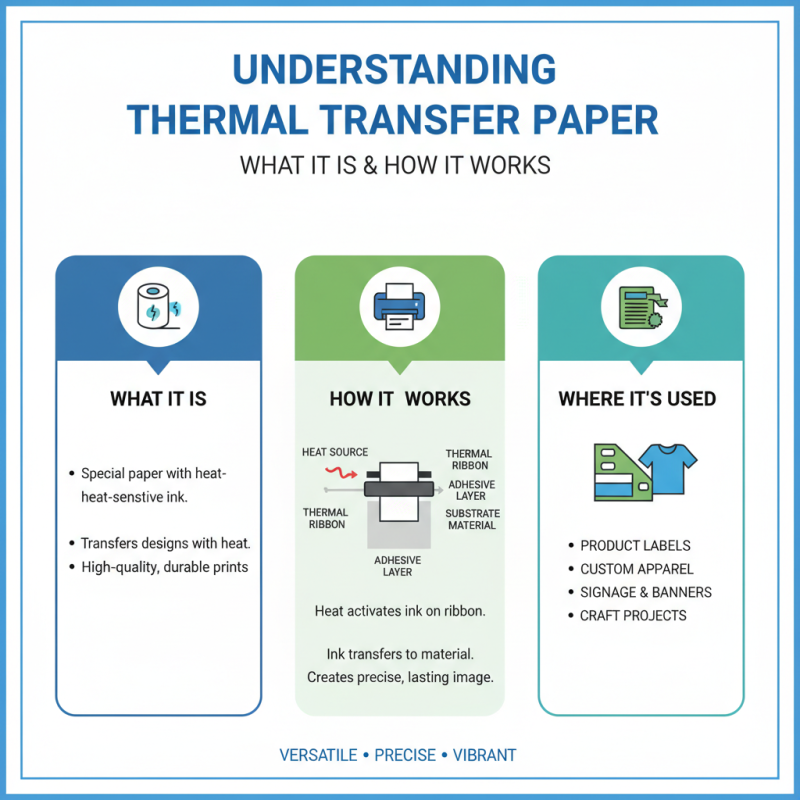
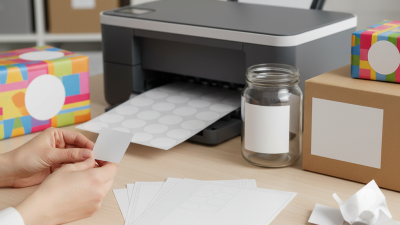
Thermal transfer paper is an essential tool for crafters and professionals alike. It enables high-quality printing on various materials. The unique technology involves heat-sensitive ink that transfers images or text when heated. This process ensures precise and vibrant results, making it ideal for labels, signage, and custom designs.
Understanding its functionality is crucial. The paper consists of a special coating that reacts to heat. When it passes through a thermal printer, the heat activates the ink, transferring it onto the substrate. Different settings on printers can affect the transfer quality. Inexperienced users might need to experiment with temperature and speed to achieve optimal results.
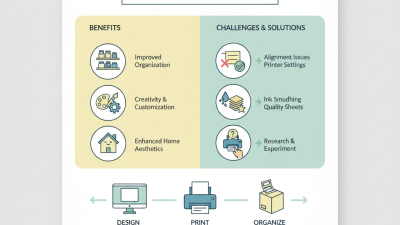
Thermal transfer paper is not without its challenges. Users may face issues like smudging or incomplete transfers, especially on uneven surfaces. Getting consistent results requires practice and understanding of the equipment. It's advisable to conduct tests on small samples before committing to larger projects. This ensures that the final product meets expectations and avoids unnecessary waste.
Choosing the Right Thermal Transfer Paper for Your Crafting Needs
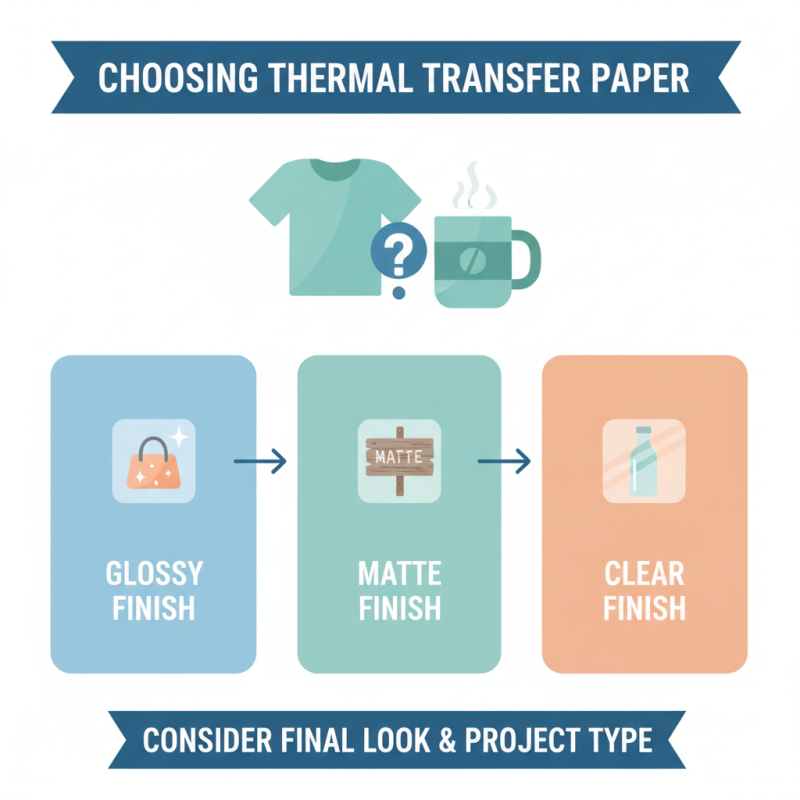
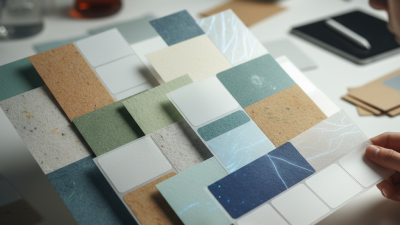
Choosing the right thermal transfer paper for your crafting needs is crucial. The variety available can be overwhelming. Different projects require different types of paper. For instance, you might need glossy, matte, or even clear finish. Always consider the final look you aim to achieve.
When selecting thermal transfer paper, check its compatibility with your printer. Not all printers handle all types. You may experience issues if you use the wrong paper. Print quality can suffer, resulting in disappointing projects. Test a small piece first, if possible. This approach helps avoid larger mistakes.
Another factor to ponder is the weight and thickness of the paper. Heavier paper is often more durable but may not work for all crafts. It can be challenging to iron onto clothing, for instance. Finding the right balance is key. Also, keep an eye on the temperature settings. Too high can ruin your work; too low may lead to peeling.
Step-by-Step Guide to Setting Up Your Printer for Thermal Transfer Paper
Setting up your printer for thermal transfer paper requires careful attention to detail. The process begins with adjusting the printer's settings to ensure optimal performance. Most thermal transfer papers require a specific temperature range for the ink to adhere properly. According to a report by the Printing Industries of America, accurate temperature control can improve transfer quality by up to 40%.
When loading the thermal transfer paper, align it correctly to prevent jams. The orientation can impact print clarity. Some users find it helpful to perform a test print on standard paper first. This approach allows adjustments before wasting thermal sheets. Additionally, check the printer's compatibility with thermal transfer stock. A survey conducted by the Specialty Graphic Imaging Association noted that nearly 30% of printing issues arise from mismatched media types.
Lastly, be mindful of ink settings. Some printers may require custom profiles for thermal transfer application. Monitoring ink levels can also prevent interruptions. It's common for crafters to underestimate the importance of printer upkeep. Regular maintenance not only extends printer life but can also enhance print quality. Taking the time to do this pays off in the long run.
How to Use Thermal Transfer Paper for Crafting and Printing in 2026?
| Step |
Description |
Materials Needed |
Estimated Time |
| 1 |
Choose the right thermal transfer paper format. |
Thermal transfer paper, scissors |
5 minutes |
| 2 |
Prepare the image or design to print. |
Computer, design software |
15 minutes |
| 3 |
Adjust printer settings for thermal transfer paper. |
Printer, computer |
10 minutes |
| 4 |
Print the design onto the thermal transfer paper. |
Printer, thermal transfer paper |
5 minutes |
| 5 |
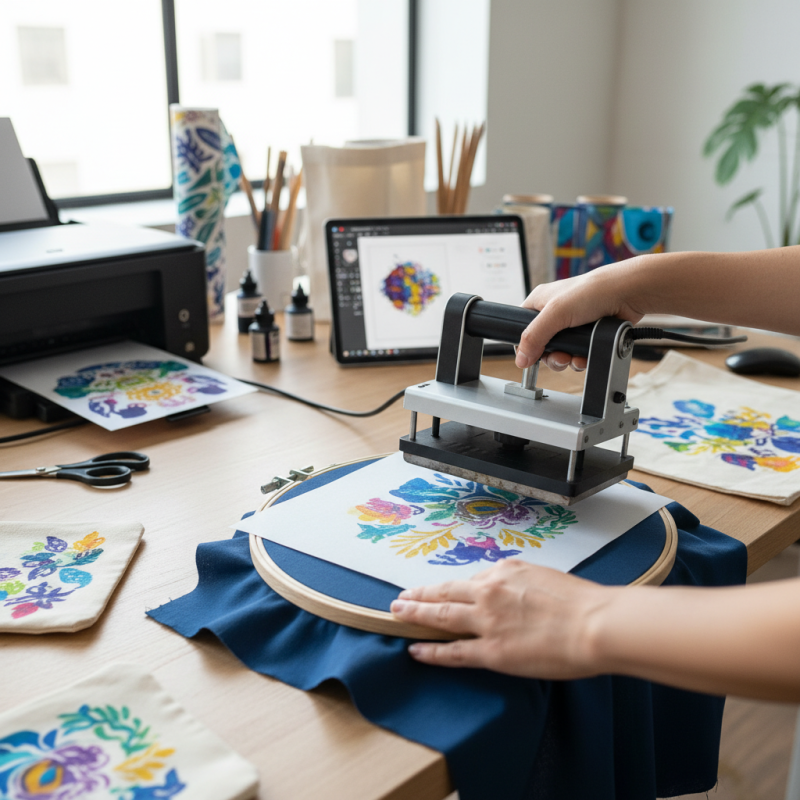
Transfer the printed design onto the material. |
Heat press, fabric or other materials |
10 minutes |
| 6 |
Let the transferred design cool down. |
N/A |
5 minutes |
Techniques for Printing on Thermal Transfer Paper: Tips and Best Practices
When using thermal transfer paper for crafting and printing, understanding key techniques is essential. Many industry reports indicate that thermal transfer printing has grown by over 5% annually. This growth suggests a rising interest in digital craftsmanship. Selecting the right type of thermal transfer paper can significantly impact the quality of your prints. Aim for a paper that suits your specific project needs—be it t-shirts, mugs, or decals.
Printing temperature and speed are crucial parameters. A recent study from the Crafting Association found optimal conditions usually range from 350°F to 400°F. This range helps achieve vibrant colors and reduces peeling. Always test with a sample before committing to larger projects. Inconsistent pressure can lead to uneven prints, so using a quality heat press is vital. Pay attention to these details to avoid wasting materials and ensure high-quality results.
For best practices, allow the printed designs to cool completely before handling. This step can prevent smudging and enhance durability. In manufacturing, nearly 70% of issues are linked to improper handling. Reflect on past projects to identify what went wrong. Understanding these nuances will help refine your technique and boost overall satisfaction with your thermal transfer projects.
Thermal Transfer Paper Usage Trends in Crafting and Printing (2026)
Creative Crafting Ideas Using Thermal Transfer Paper in 2026
Thermal transfer paper is becoming increasingly popular in crafting. By 2026, it's projected that the global market for thermal printing technologies will grow by over 10% annually. This indicates a vibrant opportunity for crafters to use this medium in creative projects.
One exciting idea is customizing apparel. Simply print your design onto thermal transfer paper and press it onto fabric. This method allows for intricate details, but achieving perfection can be tricky. Some prints may not accurately reflect the colors on screen. Testing your designs before the final application is crucial. Crafters might also consider making personalized home décor. Transfer quotes or images onto wall art, but be mindful of choosing the right surface. Certain materials may not adhere well, leading to peeling or fading.
Engaging with local craft fairs in 2026 can spark inspiration. These events showcase unique crafting techniques and new ways to use thermal transfer paper. Reflect on your creations; are they truly unique? Feedback from peers can help refine your skills. A significant number of creators report challenges with alignment and durability. Continuously exploring and learning can elevate your crafting game.



 Phone
Phone Send Email