How to Choose the Best Thermal Printing Labels for Your Business?
In today’s fast-paced business environment, choosing the right Thermal Printing Labels can make a significant difference. Businesses often overlook the importance of quality labels. Yet, labels are crucial for branding and inventory management. Low-quality labels can lead to errors and lost revenue.
When selecting Thermal Printing Labels, consider the material, adhesive type, and durability. Each aspect affects how well the labels perform in real-world applications. For example, a label that doesn’t stick properly can result in wasted products. Additionally, different environments require different label specifications.
Explore your options carefully. Some companies may prioritize cost over quality, but this can backfire. Investing in high-quality Thermal Printing Labels fosters reliability and professionalism. Reflect on your business needs before making a decision. Your choice may impact customer satisfaction in the long run.
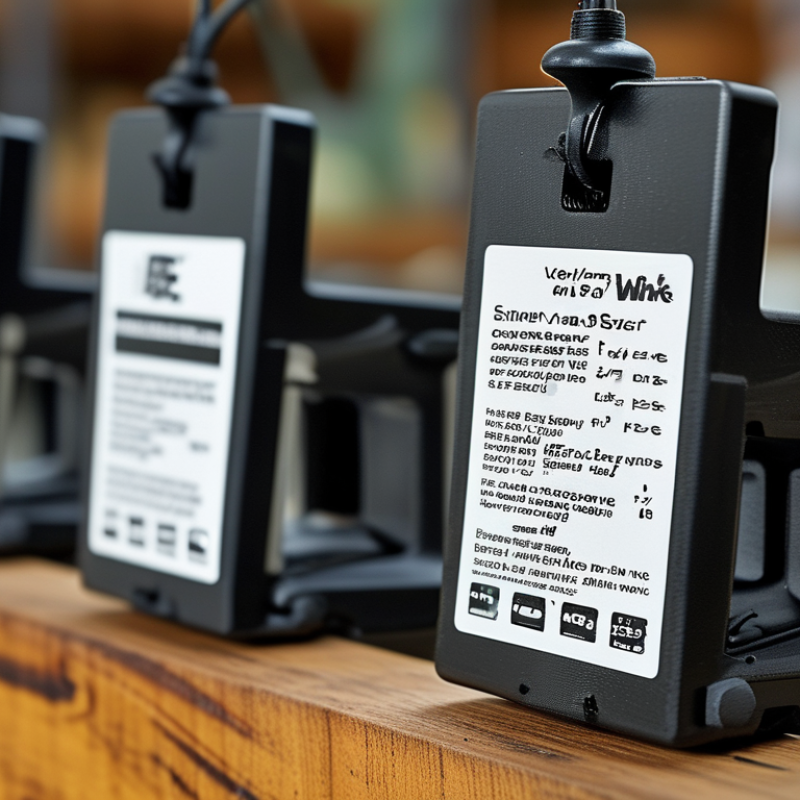
Understanding Different Types of Thermal Printing Labels Available
When choosing thermal printing labels, understanding the different types is crucial. Common types include direct thermal and thermal transfer labels. Direct thermal labels use heat-sensitive materials, making them ideal for short-term applications. They are popular for shipping labels, where the text does not need to last long. However, they can fade over time when exposed to sunlight or heat, which may not suit all businesses.
On the other hand, thermal transfer labels use a ribbon to produce durable prints. According to a report by Smithers Pira, the demand for thermal transfer labels is projected to grow by 4.5% annually. This is due to their superior longevity and resistance to various environmental factors. They are commonly used in industrial settings, where labels must endure wear and tear. However, some businesses may find this method more expensive upfront, which necessitates careful budgeting.
Another option is synthetic labels, which combine durability with versatility. These labels are often waterproof and tear-resistant. However, businesses should consider their specific needs, as different materials may interact differently with printers. The choice of label is not just about measurement; it reflects the overall efficiency of operations. Evaluating the longevity, purpose, and cost-effectiveness ensures smarter label selection for your business.
Evaluating the Durability and Quality of Thermal Labels for Business Use
When selecting thermal printing labels, durability and quality are crucial. A durable label can withstand various environmental conditions. Think about heat, moisture, and abrasion when choosing. High-quality materials prevent smudging and fading. Consider the common uses in your business, like shipping or product labeling.
Testing is important. Some labels may perform well in theory but fail in real-world applications. Perform trials under typical conditions. Check how labels stick to surfaces and how they hold up over time. Look for rasters and clarity; low-quality labels might lead to misreads. Ensure barcodes remain scannable even after handling.
Moreover, always ask for samples before purchasing in bulk. This avoids unwanted surprises. Seek feedback from employees who will use the labels. They can provide insights into practicality. Label choices can affect not just aesthetics, but also operations. Reflect on past choices and their outcomes. It's a continuous learning process in finding the right labels for your needs.
Determining the Appropriate Label Size for Your Specific Applications
Choosing the right label size is crucial for effective thermal printing. Many businesses overlook this aspect, leading to wasted materials and inefficiency. The size of the label impacts readability, design, and durability. It’s important to assess the specific needs of your products before making a decision.
Consider the dimensions of the items being labeled. A small package requires a different label size than a large box. If labels are too large, they may obstruct information or look unprofessional. Conversely, labels that are too small can be hard to read. Think about your audience. What information do they need at a glance?
Testing different sizes can reveal unexpected outcomes. You might find that a medium label works better in practice than a size you initially chose. Don’t hesitate to adapt your choices based on real-world feedback. This iterative approach not only enhances your labeling strategy but also boosts your brand's credibility. Strive for a balance between function and aesthetics to ensure the best results.
Assessing Compatibility with Thermal Printers and Software Requirements
When selecting thermal printing labels for your business, compatibility is crucial. Not all labels work seamlessly with every thermal printer. It's important to check the specifications of your printer. Some printers require specific types of labels to function properly. Misalignment or paper jams can occur with incompatible choices. Understanding your printer model is the first step in the label selection process.
Software requirements must also be considered. Different printing needs may necessitate various types of software for optimal performance. An incompatible software configuration can hinder productivity. You might face issues such as slow printing speeds or poor print quality. Testing your labels with the software before full implementation can save time and frustration. Crafting a compatibility checklist helps streamline this process.
Choosing the right labels involves a careful assessment of both printer and software needs. A mismatch can lead to costly errors. Consider running small tests before a large purchase. This approach provides valuable insights into how certain labels perform under real conditions. The goal is to enhance efficiency and minimize disruption.
How to Choose the Best Thermal Printing Labels for Your Business?
| Label Type |
Material |
Size (mm) |
Adhesive Type |
Compatibility |
| Direct Thermal |
Paper |
100 x 150 |
Permanent |
Compatible with most direct thermal printers |
| Thermal Transfer |
Polyester |
50 x 100 |
Removable |
Works with thermal transfer printers |
| Waterproof |
Vinyl |
75 x 75 |
Permanent |
Compatible with both direct and thermal transfer printers |
| Shipping Labels |
Paper |
105 x 150 |
Permanent |
Compatible with most shipping label printers |
| Barcode Labels |
Tamper-Evident |
38 x 25 |
Permanent |
Compatible with most barcode printers |
Analyzing Cost-Effectiveness and Supplier Reliability for Bulk Orders
Choosing the right thermal printing labels requires careful consideration of cost-effectiveness and supplier reliability. Begin by evaluating the volume of labels needed.
Ordering in bulk often reduces individual costs. However, it’s essential to balance price with quality. Sometimes, cheaper labels can lead to issues like smudging or poor adhesion.
Supplier reliability plays a critical role in the decision-making process. Research suppliers carefully. Look for reviews that mention punctuality and consistency. A trustworthy supplier not only meets deadlines but also delivers quality materials. Inconsistent suppliers can disrupt your operations, affecting customer satisfaction.
It’s wise to analyze past experiences with suppliers. Did they respond promptly to issues? Were the labels durable? Reflecting on past orders can help in making informed choices. Identifying a reliable supplier can transform your printing process, ensuring it meets your business needs effectively.


 Phone
Phone Send Email