China Top 10 Direct Thermal Roll Suppliers You Should Know?
In today's fast-paced business environment, the demand for efficient printing solutions is crucial. The Direct Thermal Roll market is experiencing significant growth, driven by various sectors such as retail, logistics, and healthcare. According to a recent market research report, the global Direct Thermal Roll market is projected to reach USD 4.1 billion by 2026, growing at a CAGR of 6.3%. This growth reflects the increasing need for labeling solutions that enhance operational efficiency.
Understanding the leading suppliers of Direct Thermal Rolls is essential for businesses aiming to optimize their printing operations. Reliable suppliers not only provide high-quality products but also offer technical support to ensure seamless integration with existing systems. Notably, several companies have established themselves as leaders in this sector, emphasizing their expertise and commitment to innovation.
However, it's essential to remember that not all suppliers meet the same standards. Businesses should conduct thorough assessments to ensure they select the right partner. Evaluating factors such as product quality, customer service, and pricing structure can help businesses navigate this competitive landscape effectively.
Overview of Direct Thermal Roll Technology in China
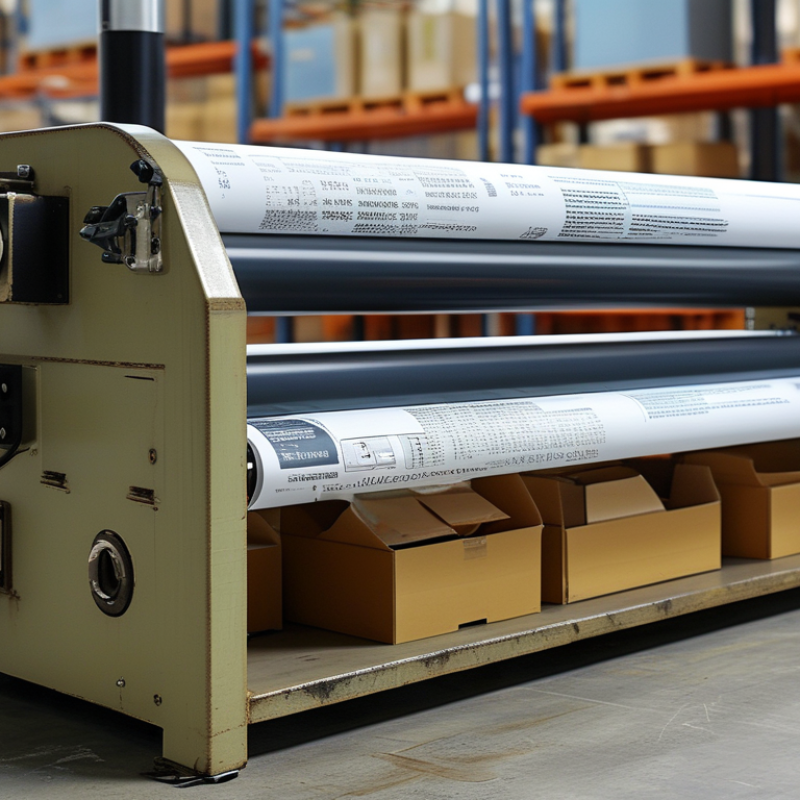
Direct thermal roll technology is gaining traction in various sectors in China. This technology uses heat to produce images on specially coated paper. Its growth is largely driven by the increasing demand in retail and logistics industries. According to a report by Market Research Future, the direct thermal printing market in China is expected to grow at a CAGR of 5% through 2025.
The manufacturing process of direct thermal rolls typically involves coating paper with a heat-sensitive material. This material reacts when exposed to heat from a thermal printhead. However, the flexibility in this process can lead to variations in quality. Ensuring uniform coating is a persistent challenge that many manufacturers face. A consistent thermal sensitivity is crucial for reliable printing.
Industry data also points to a need for sustainable practices. As demand for eco-friendly products rises, manufacturers are under pressure to develop recyclable materials. The balance between quality and sustainability often leads to difficult decisions. Companies may hesitate to invest in greener options if they affect performance. This highlights an area in need of innovation and reflection.
Overview of Direct Thermal Roll Technology in China
Significance of Choosing Quality Thermal Roll Suppliers
Choosing quality thermal roll suppliers is crucial for businesses that rely on efficient printing. The significance lies in ensuring consistent performance and reliability. Solid thermal rolls help avoid printing errors, which can lead to dissatisfaction and wasted resources. An inferior product may produce faded prints or inconsistent quality, which affects customer perception.
Consider the implications of poor supplier choice. Subpar materials can compromise the durability of printers, leading to higher maintenance costs. This often results in additional downtime, disrupting operations. High-quality suppliers usually have robust quality control processes. They provide products that align with industry standards, ensuring compatibility with various printers.
Effective partnerships with reputable suppliers enhance overall productivity. Businesses should engage suppliers with a strong track record. This ensures they receive expert support and reliable products. Make informed choices to create a smoother operational experience. A proactive approach in supplier selection reflects a commitment to quality and long-term success.
Key Criteria for Evaluating Thermal Roll Suppliers in China
When evaluating thermal roll suppliers in China, several key criteria should be considered. Product quality is essential. High-quality thermal rolls provide better printing results and longer life. Suppliers should offer samples for testing before committing to larger orders. This allows for firsthand experience with their products, ensuring reliability.
Next, consider the supplier’s manufacturing capabilities. A reliable supplier should have modern production facilities and adhere to quality control standards. Understanding their production capacity helps gauge whether they can meet your demands over time. Communication is also crucial. It’s vital that the supplier is responsive and transparent throughout the process to build trust.
Lastly, evaluate their customer service and after-sales support. A supplier should provide assistance post-purchase, whether you have questions or need troubleshooting. Feedback from previous clients can offer insights into a supplier’s reputation. Ultimately, a combination of product quality, production capability, and customer service determines a supplier’s reliability. This can prevent unnecessary challenges and foster a smooth partnership.
Top 10 Direct Thermal Roll Suppliers in China and Their Offerings
When exploring the landscape of direct thermal roll suppliers in China, various factors influence their offerings. The market has seen significant growth, driven by increased demand for efficient printing solutions. According to a recent report by MarketsandMarkets, the thermal paper market is projected to grow substantially, reflecting the upward trend in various sectors like retail and logistics.
Among the top suppliers, many focus on product quality and eco-friendliness. Several companies are investing in sustainable sourcing and production methods. This transition is crucial as consumers are increasingly prioritizing eco-consciousness. For example, advanced thermal rolls now feature BPA-free coatings, addressing health and environmental concerns.
Despite these advancements, challenges remain. Quality inconsistencies can arise from varying manufacturing practices among suppliers. Some companies lack robust testing procedures, leading to reliability issues. Furthermore, price competition can pressure some suppliers into compromising quality for lower costs. This situation highlights the need for careful supplier evaluations. Ultimately, selecting the right supplier demands diligence and a clear understanding of specific business needs.
China Top 10 Direct Thermal Roll Suppliers You Should Know
| Supplier |
Product Range |
Material Type |
Applications |
Packaging |
| Supplier A |
Direct Thermal Roll Paper |
Wood-free Paper |
Retail, Logistics |
Reels, Boxes |
| Supplier B |
High-Speed Direct Thermal Roll |
Thermal Paper |
Shipping Labels |
Shrink Wrapped |
| Supplier C |
Standard Thermal Rolls |
Coated Paper |
Food and Beverage |
Cartons |
| Supplier D |
Eco-Friendly Thermal Paper |
Recycled Paper |
Retail & Grocery |
Bulk Packaging |
| Supplier E |
Thermal Transfer Labels |
Synthetic Paper |
Inventory Management |
Rolls |
| Supplier F |
Custom Size Thermal Rolls |
Thermal Sensitive Paper |
Healthcare, Logistics |
Custom Packaging |
| Supplier G |
Rolls for POS Systems |
Calendered Paper |
Point of Sale |
Standard Cartons |
| Supplier H |
Industrial Thermal Paper |
Specialty Paper |
Manufacturing |
Pallets |
| Supplier I |
Weather Resistant Rolls |
Polyester Film |
Outdoor Applications |
Boxes |
| Supplier J |
Multi-Layer Thermal Rolls |
Multi-layer Paper |
Shipping and Handling |
Individual Packs |
Future Trends in the Direct Thermal Roll Market in China
The direct thermal roll market in China is witnessing significant trends that shape its future. According to a recent report by the International Market Research Group, the demand for direct thermal rolls is expected to grow at a compound annual growth rate (CAGR) of 5.7% over the next five years. This growth is driven by the booming e-commerce sector, which relies heavily on efficient printing solutions.
One notable trend is the increasing shift towards eco-friendly materials in direct thermal roll manufacturing. A study by Green Product Research highlights that about 30% of manufacturers are now exploring sustainable options. This trend reflects growing environmental awareness among consumers and businesses alike. However, many suppliers still rely on traditional materials, indicating a gap that needs addressing.
Furthermore, the direct thermal roll market faces challenges with ink quality and compatibility with printers. Experts claim that inconsistent quality can lead to print failures and customer dissatisfaction. Despite technological advancements, a lack of standardization persists in the industry. As businesses move towards automation and efficiency, the need for reliable roll quality becomes critical. Addressing these gaps could significantly enhance customer satisfaction.






 Phone
Phone Send Email