Why Choose Direct Thermal Roll for Your Business Needs?
In today's fast-paced business environment, choosing the right materials is crucial. One option that stands out is the "Direct Thermal Roll". For many businesses, it provides efficiency and reliability. Expert Alan Roberts, a seasoned professional in thermal printing technology, emphasizes, "Using Direct Thermal Rolls can significantly streamline your printing processes." His insights highlight the importance of quality in this field.
When assessing your business needs, consider the benefits of Direct Thermal Rolls. They eliminate the need for ribbons, reducing costs and maintenance efforts. This simplicity appeals to various industries, from retail to logistics. However, it’s essential to reflect on whether this solution aligns with your long-term goals.
While Direct Thermal Rolls are convenient, they may not be suitable for every application. Their sensitivity to heat and light requires careful handling. A thorough understanding of your business's unique requirements is crucial. Prioritize the versatility and performance of your materials to ensure lasting benefits.
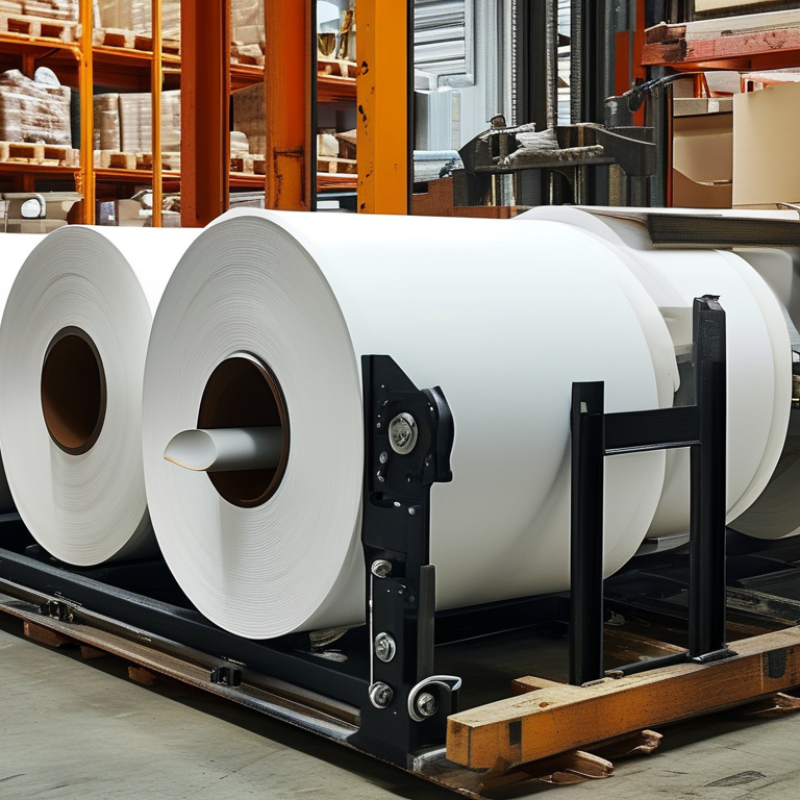
Benefits of Direct Thermal Rolls for Cost-Effective Label Printing
Direct thermal rolls are gaining popularity for label printing due to their cost-effectiveness. Businesses often seek methods to save on operational costs without sacrificing quality. Direct thermal printing does not require ink or toner. Instead, it uses heat-sensitive paper that darkens when heated. This simplicity translates to lower material and maintenance costs.
Choosing direct thermal rolls can significantly reduce printing expenses. The absence of ink cartridges often means fewer resources spent on replacements. Additionally, these rolls are straightforward to use and can streamline the printing process. However, there are some considerations. Direct thermal labels may fade when exposed to direct sunlight or certain chemicals. This potential drawback may require careful handling and storage in specific environments.
Reliability is essential in label printing. Businesses must weigh the pros and cons of direct thermal rolls. While they offer quick and cost-effective printing, their longevity may not always meet demands. Thus, understanding your specific needs is crucial. Assessing factors like printing volume and label usage can guide better decisions in the long run.
Understanding the Technology Behind Direct Thermal Printing Mechanisms
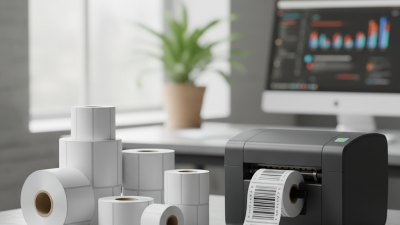
Direct thermal printing is a fascinating technology. It utilizes heat-sensitive media to produce images or text. A thermal print head heats specific areas of the roll, causing a chemical reaction that darkens the paper. This process is straightforward yet effective, making it popular in various industries. It creates clean and sharp images, eliminating the need for ink or toner.
However, understanding its limitations is essential. Direct thermal prints can fade over time, especially when exposed to heat or sunlight. This fading can affect the durability of labels in shipping or retail environments. Businesses need to consider these factors when selecting labeling solutions.
Finding the right thermal roll also matters. Paper quality and thickness can impact print clarity and speed. While some rolls may promise high performance, not all deliver consistently. Careful evaluation of suppliers and product specs can prevent issues. Balancing benefits against potential drawbacks helps businesses make informed choices.
Comparative Analysis: Direct Thermal vs. Thermal Transfer Technologies
When it comes to choosing between direct thermal and thermal transfer technologies, understanding the differences is crucial for business success. Direct thermal printing uses heat-sensitive materials to create images. This technology is generally more straightforward and requires less equipment. However, it often leads to fading over time when exposed to heat or light.
On the other hand, thermal transfer technology uses ribbons to produce images on labels. This method offers superior durability and longevity. It works better for items that require stronger adhesive or when labels are exposed to harsh conditions. However, thermal transfer printers need more maintenance, and the cost of ribbons can add up.
Here are some practical considerations:
- Evaluate your printing environment. Direct thermal might be sufficient for short-term labels.
- Assess your label requirements. If durability is essential, thermal transfer should be your choice.
- Consider your budget. Direct thermal may initially cost less, but long-term costs should factor into your decision.
In the end, the choice depends on specific business needs and the conditions in which labels will be used. Each technology has merits and drawbacks that can significantly impact your operations.
Why Choose Direct Thermal Roll for Your Business Needs?
This chart illustrates a comparative analysis of Direct Thermal vs. Thermal Transfer Technologies based on common business needs.
Market Trends: The Growing Demand for Direct Thermal Solutions
The market is shifting rapidly towards direct thermal solutions. Businesses are increasingly recognizing the benefits of direct thermal rolls. This trend stems from their simplicity and low maintenance needs. Companies no longer want to deal with messy ink or toner. They seek reliability in labeling processes for efficiency.
Many sectors are adopting direct thermal printing. Retail, logistics, and healthcare are leading the way. The demand for quick, clear labels is rising. Direct thermal rolls allow for fast printing without noise. They produce labels that withstand the test of time, even in varying conditions. As industries expand, they discover new applications for these solutions.
However, companies need to evaluate their unique needs before transitioning. Not all businesses may benefit equally from direct thermal technology. Some might face challenges with printing longevity or durability. Understanding the nuances of this technology is essential for optimal use. Businesses should weigh their options carefully to make informed decisions.
Why Choose Direct Thermal Roll for Your Business Needs? - Market Trends: The Growing Demand for Direct Thermal Solutions
| Dimension |
Value |
| Market Growth Rate (2023) |
12% |
| Estimated Market Size (2025) |
$1.5 Billion |
| Adoption Rate in Retail Sector |
65% |
| Key Benefits Identified |
Cost-effective, Quick Printing, No Ink Required |
| Main End-use Industries |
Logistics, Retail, Healthcare |
| Consumer Preference for Sustainability |
58% |
Selecting the Right Direct Thermal Rolls for Your Industry Needs
Selecting the right direct thermal rolls is crucial for various industries. Different sectors require specific characteristics in label materials. For instance, logistics firms often need rolls that can withstand outdoor conditions, while the food industry requires rolls that can resist moisture and temperature changes.
According to a report by the Pressure-sensitive Tape Council, about 20% of businesses do not choose the appropriate thermal rolls, leading to inefficient operations. The failure rate in barcode scanning can increase by 30% when using suboptimal materials. It's essential to assess the environmental conditions your labels will face. Factors like humidity levels and temperature fluctuations can affect the thermal print quality.
Moreover, consider the compatibility of the rolls with your printing equipment. Not every printer can handle every type of thermal roll. Poor compatibility could lead to frequent jams or misaligned prints, wasting both time and resources. Evaluating these elements carefully can prevent operational headaches and improve overall efficiency.



 Phone
Phone Send Email