Why Is a Shipping Label Important for Your Business Success?
In today's competitive market, the importance of a shipping label cannot be overstated. According to a 2023 study by the National Retail Federation, approximately 75% of consumers check shipping options before making a purchase. A well-designed shipping label can enhance the customer experience and streamline operations. However, many businesses overlook this vital element.
A shipping label serves not only as an address tag but also as a branding opportunity. In fact, research from ShipStation indicates that branded shipping labels can increase brand recognition by over 20%. Businesses might miss out on this potential by using generic labels.
Moreover, accurate shipping labels reduce errors and increase efficiency. The Transportation Research Board reported that 30% of shipping delays are due to address mistakes. Rethinking your shipping label strategy can lead to improved delivery times and customer satisfaction. Investing in better shipping labels is, therefore, essential for overall business success.

The Role of Shipping Labels in Modern E-Commerce
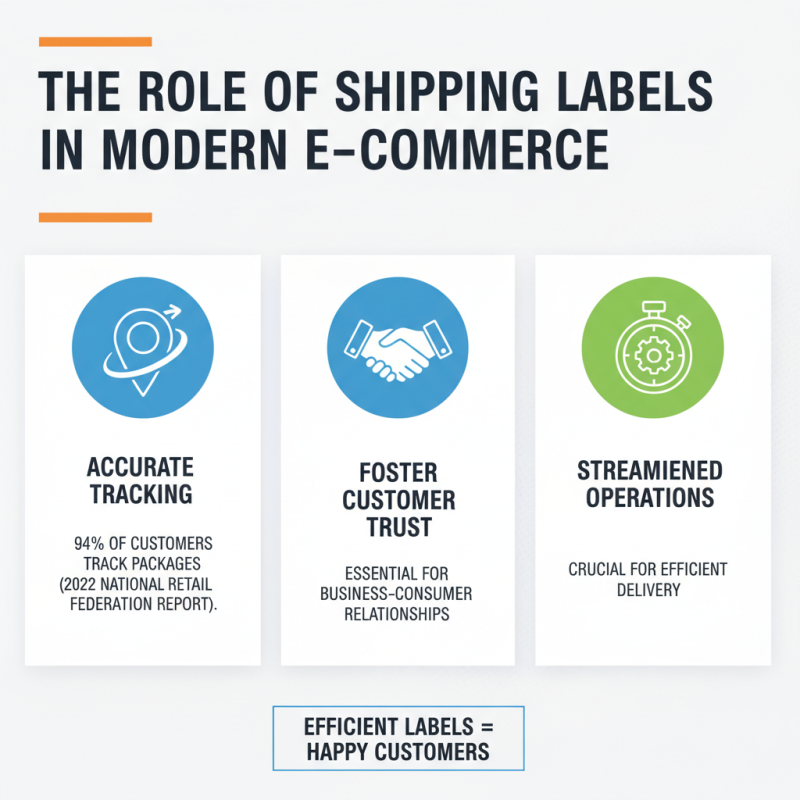
In modern e-commerce, shipping labels play a crucial role in streamlining operations. They ensure accurate package tracking, which is fundamental for customer satisfaction. A 2022 report by the National Retail Federation highlights that 94% of customers keep track of their packages. Efficient shipping labels foster trust between businesses and their consumers.
Every shipping label contains vital information. This includes the destination address, shipping method, and tracking codes. Accurate labels help prevent delivery errors, a common challenge in supply chain management. According to a study by Pitney Bowes, 29% of consumers abandon a cart due to shipping issues. Businesses must recognize this problem and prioritize the effectiveness of their shipping labels.
Issues like mislabeling or unclear information can lead to delays and heightened return rates. The cost of returns can reach up to $400 billion annually in the U.S. Efficient labels can mitigate these expenses through better organization. While many firms understand the importance of shipping labels, few maximize their potential. Regular evaluation of labeling systems can unearth areas for improvement. By doing so, companies can enhance their operational workflows and customer experiences.
Critical Information Conveyed by Shipping Labels
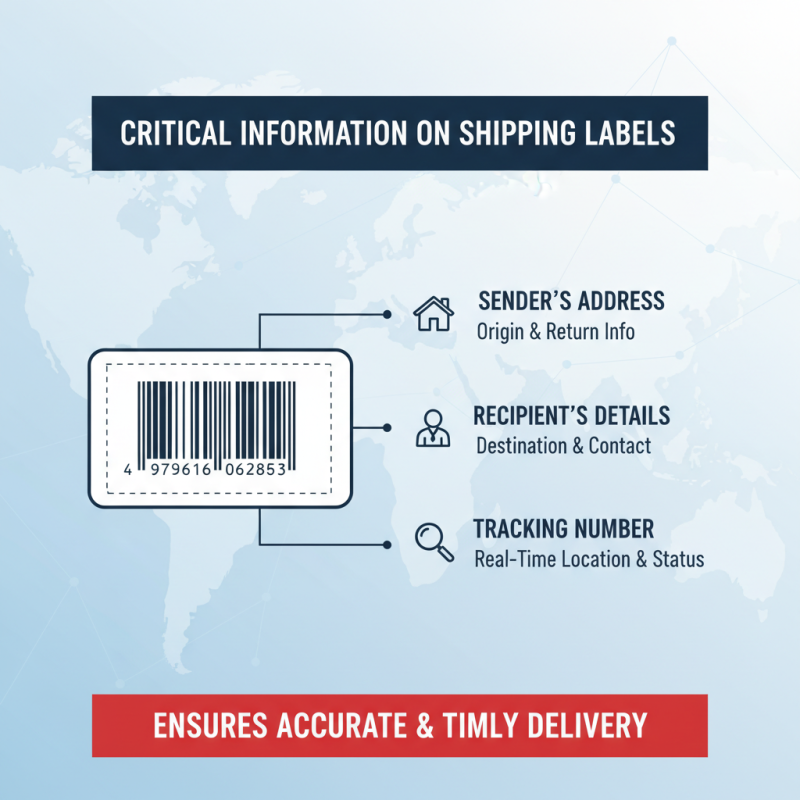
Shipping labels play a crucial role in business logistics. They are more than just tags on a package. These labels contain essential information that ensures products reach their destinations safely and promptly. Each label includes the sender's address, recipient's details, and tracking numbers. This data helps reduce errors during shipping.
Furthermore, shipping labels include barcodes or QR codes. These codes provide quick access to shipping details. Scanning these codes can reveal the current shipping status. Such transparency builds customer trust and satisfaction. Accurate labels prevent misdeliveries and delays, which can harm your business reputation.
In a world where mistakes are costly, attention to detail matters. A missing address can lead to lost packages. Companies must ensure their shipping labels are clear and correct. Regular checks and updates can enhance accuracy. Even minor errors can affect customer experience. Emphasizing the importance of precise shipping labels can significantly improve overall efficiency in your operations.
How Shipping Labels Enhance Operational Efficiency
Shipping labels play a critical role in enhancing operational efficiency for businesses. They streamline the logistics process, reducing errors in order fulfillment. According to a report by the National Retail Federation, up to 70% of returns are due to labeling mistakes. This indicates that accurate shipping labels not only improve customer satisfaction but also minimize costs associated with returns.
Using automated systems to generate shipping labels can significantly speed up the dispatch process. A recent study found that organizations employing automation in their shipping operations report a 30% increase in productivity. The time saved in manual entry allows staff to focus on more strategic tasks. Additionally, tracking information on labels keeps both the business and the customer informed about the shipment's status. Instant updates enhance transparency and build trust.
However, the implementation of shipping label systems is not without challenges. Small businesses may struggle with the initial setup costs. Integrating technology for label printing requires training and adaptation. Mismanagement can lead to delays, affecting overall operations. Despite these pitfalls, the benefits of having efficient shipping labels often outweigh the risks, spotlighting their significance in a successful business strategy.
Why Is a Shipping Label Important for Your Business Success? - How Shipping Labels Enhance Operational Efficiency
| Dimension |
Description |
Impact on Efficiency |
| Label Accuracy |
Ensures accurate information is presented for each shipment |
Reduces errors in shipping, leading to faster processing times |
| Cost Effectiveness |
Saves costs by minimizing shipping errors and unnecessary returns |
Helps in budget management and resource allocation |
| Branding Opportunities |
Custom labels enhance brand visibility and customer experience |
Promotes brand loyalty by providing cohesive packaging |
| Tracking Capabilities |
Labels contain tracking information for real-time updates |
Improves customer satisfaction through transparency |
| Integration with Technology |
Seamless integration with shipping software and inventory systems |
Streamlines operations and reduces manual work |
The Impact of Shipping Labels on Customer Satisfaction
Shipping labels play a crucial role in shaping customer satisfaction. Research indicates that 66% of consumers consider delivery speed and accuracy central to their shopping experience. When a shipping label is clear and informative, it helps customers track their orders seamlessly. This transparency leads to increased trust in the business.
Moreover, an eye-catching design on shipping labels can enhance brand recognition. According to a study by the National Retail Federation, 51% of consumers are more likely to repurchase from brands that provide excellent packaging and labeling. However, inconsistencies on labels can frustrate customers. Simple errors, like incorrect addresses, lead to delays and increased costs. The fallout from these mistakes can damage customer loyalty.
Shipping labels should reflect professionalism and reliability. A well-structured label conveys that a business values its customers. In a world where 93% of consumers base purchase decisions on visual experience, investing time in label design is non-negotiable. Businesses must continuously evaluate their shipping processes for effectiveness. The goal should always be to ensure that customers feel valued and informed every step of the way.
Best Practices for Creating Effective Shipping Labels
Shipping labels play a crucial role in any business that involves sending products. They not only provide essential shipping information but also represent your brand. An effective shipping label can enhance the customer experience. It is important that labels are clear, concise, and professional. Each label should include information like the recipient's name, address, and contact information. Ensure the font is readable and the layout is organized. This makes it easier for shipping personnel to process packages accurately.
Don’t overlook the importance of tracking numbers. They give the recipient peace of mind. Including a barcode can streamline the scanning process. However, consider the environmental impact of materials used for printing labels. Opting for eco-friendly options can reflect your commitment to sustainability. Test label designs before finalizing them. Gather feedback from team members. This can reveal overlooked errors and provide valuable insight.
Review your shipping labels regularly. Are they effective? Are they meeting customers' expectations? Sometimes, adjustments are necessary as your business evolves. An outdated label design can affect your professional image. Always strive for improvement, as it can significantly influence customer satisfaction.
Shipping Label Importance Metrics







 Phone
Phone Send Email