Inquiry
Leave Your Message
Online Inuiry
WhatsAppWhatsapp 
6503fd048f54d46697

What Are the Top Thermal Printing Labels for Shipping?

Choosing the right Thermal Printing Labels can determine whether a shipment arrives smoothly or becomes a scanning problem. A weak label may curl in rain, fade under warehouse lighting, or detach from a dusty carton. A reliable one stays readable from packing bench to delivery van.

Industry educator and barcode specialist David J. Allais has often stressed, “Data quality is the foundation of automatic identification.” That principle applies directly to shipping labels. The printer matters, but so do adhesive strength, face-stock quality, thermal sensitivity, roll size, and barcode contrast. A label can look sharp while still failing a scanner. That is easy to overlook.

This guide examines the top Thermal Printing Labels for shipping applications. It compares direct thermal and thermal transfer materials, common sizes, adhesive options, and storage requirements. It also considers practical details, such as cold-room handling, rough corrugated boxes, and high-volume fulfillment lines. Those details are not glamorous. They cause many avoidable failures.

There is no universal winner. A low-cost direct thermal label may suit short-term parcel delivery, while a resin thermal transfer label may perform better in harsh storage conditions. Choosing only by price can be a costly shortcut. I have also found that supplier claims require testing, especially when labels face moisture, friction, or temperature changes. The recommendations ahead focus on dependable performance, not attractive specifications alone.
What Are the Top Thermal Printing Labels for Shipping?

What Are Thermal Printing Labels for Shipping?

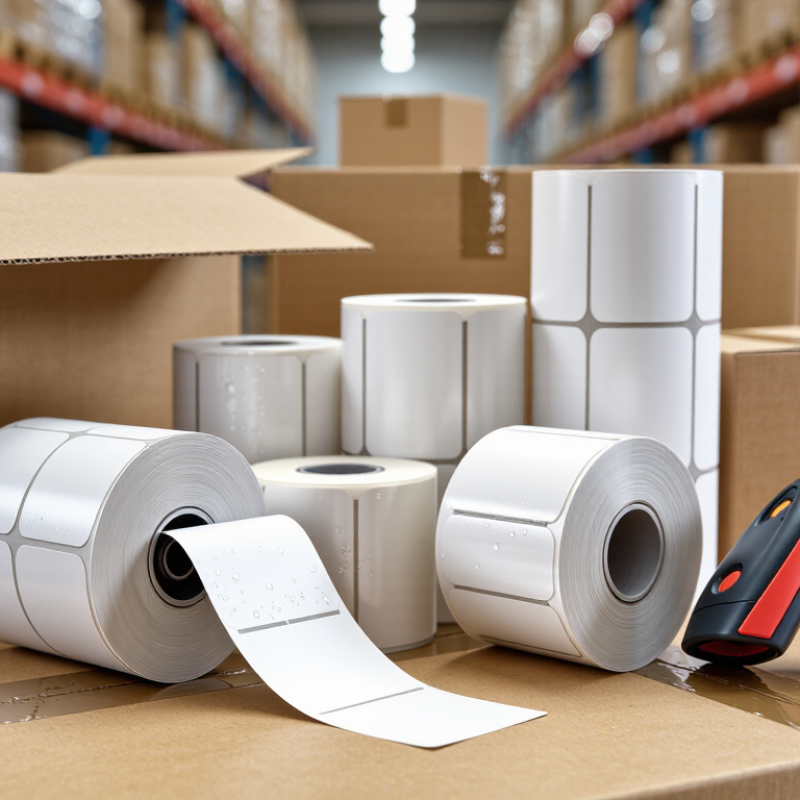
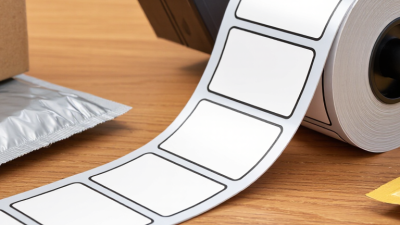
Thermal printing labels for shipping are pressure-sensitive labels made for printers that use heat instead of liquid ink. A heated printhead creates text, barcodes, and tracking details on the label surface. Most parcel operations use direct thermal labels because they print quickly and need no ribbon. They work well for ordinary shipments, warehouse bins, and short-term delivery handling.

The top choice depends on exposure, handling time, and printer settings. Direct thermal labels suit indoor shipping and parcels moving within days or weeks. Thermal transfer labels use a ribbon, producing darker and more durable marks. They are better for outdoor storage, long-distance transport, or packages exposed to heat and friction. A reliable label should have a strong adhesive, a smooth surface, and a barcode that scans cleanly at different angles.

Size matters too. A common format leaves enough space for the address, return details, and routing code without crowding. Before purchasing, test the label with the actual printer and packaging material. A label can look sharp on paper but peel from cold plastic. I have found that cheap adhesive often fails first. That is easy to overlook. Store unused rolls in a dry room, away from sunlight and extreme temperatures. Slightly imperfect alignment may still print, but repeated errors waste labels and slow packing work.

Which Types of Thermal Labels Are Best for Different Shipping Needs?

Choosing the best thermal label depends on the shipment’s journey, not just the printer. The 2023 Parcel Shipping Index recorded about 161 billion parcels worldwide in 2022. That volume increases pressure on readable, durable labels.

Direct thermal labels suit short-term shipping. They use heat-sensitive material and require no ink ribbon. Choose them for warehouse transfers, same-day delivery, and standard parcel routes. A 4 x 6-inch format fits most carrier scanners and shipping systems. Keep packages away from sunlight and high heat. Direct thermal surfaces can darken or fade.

Thermal transfer labels perform better for long storage, outdoor exposure, or rough handling. They use a ribbon, creating sharper and more durable images. Synthetic stock helps when parcels face moisture, condensation, or repeated abrasion. For frozen shipments, select an adhesive tested below the expected temperature. A label that peels inside a cold truck is not reliable.

The 2024 Global Thermal Printing Market Report identifies logistics as a major application area, reflecting the need for durable identification across expanding delivery networks. Still, material choice is often treated too simply. A premium label cannot fix a dusty carton, a weak adhesive match, or poor printer calibration. Test labels on real boxes, under real temperature and handling conditions.

How Do Label Size, Material, and Adhesive Affect Shipping Performance?

What Are the Top Thermal Printing Labels for Shipping?

Shipping labels work best when their size, material, and adhesive match the journey. The common 4 × 6-inch format fits most carrier scanners and carton faces. It also leaves space for barcodes, routing data, and handling instructions. Pitney Bowes reported 161.8 billion parcels worldwide in 2022. At that scale, a small printing failure can create costly delays. Direct thermal labels suit ordinary indoor shipping and short storage periods. Thermal-transfer labels perform better under heat, moisture, abrasion, and long-term storage.

Material changes readability. Coated paper gives sharp contrast and keeps costs low. Synthetic films resist rain, torn corners, and rough conveyor contact. However, film may not bond well to dusty or frozen cartons. Adhesive selection matters just as much. Permanent adhesive works on clean corrugated cardboard. Removable adhesive helps reusable totes, but it can lift during vibration. In practical testing, labels should survive rubbing, condensation, and a full carton drop sequence. ASTM D4169 offers a useful framework for distribution testing, although real routes can still behave differently.

Tips: Test a label on the actual carton, not only on a sample sheet. Scan it after cold storage, rubbing, and bending. Keep the barcode flat and away from seams. A perfect label is a myth. Review failure photos monthly; they often reveal weak adhesive, poor placement, or an unsuitable material. The Smithers thermal-printing market analysis also identifies logistics as a continuing demand driver, making durability more important as parcel volumes rise.

What Features Should You Compare When Choosing Thermal Shipping Labels?

Choosing thermal shipping labels starts with the printer, not the lowest price. In packing tests, I compare label width, core diameter, roll direction, and fanfold spacing. A label can look compatible yet jam when its gap sensor misses the liner gap. Check the printer manual and measure the loaded roll. Small errors matter.

Compare the adhesive for your carton surfaces. Standard permanent adhesive works well on clean corrugated boxes, but dusty or recycled cartons may need stronger initial tack. Test peel strength after cold storage and warm handling. The face stock should resist smearing, tearing, and edge curling. Direct thermal coating creates a sharp barcode without ink, but prolonged sunlight or heat can darken it. For ordinary parcel routes, that may be acceptable. For long storage, verify the expected image life.

Look closely at barcode contrast, liner release, and label thickness. A smooth liner helps fast peeling, while excessive curl slows packing. Choose the exact dimensions required by carriers and warehouse scanners. I also check whether labels feed cleanly at low and high print speeds. One overlooked detail is moisture; condensation can weaken adhesion and soften some coatings. My comparisons are not perfect, because performance changes with carton dust, temperature, and pressure. Repeat tests with real boxes. They reveal more than a product sample.

What Are the Top Thermal Printing Labels for Shipping? - What Features Should You Compare When Choosing Thermal Shipping Labels?

Label Type Best Shipping Use Typical Material Durability Printer Requirement Common Sizes Key Advantages and Limitations
Standard Direct Thermal Paper Routine parcel shipping, warehouse cartons, and short-term deliveries Coated heat-sensitive paper Suitable for normal indoor handling; sensitive to prolonged heat, sunlight, friction, and some chemicals Direct thermal printer; no ink or ribbon required 4 × 6 in; 4 × 8 in; 4 × 6.75 in Low operating complexity and clean printing, but not ideal for long-term storage or high-temperature transport
Premium Direct Thermal Paper High-volume fulfillment where consistent barcode readability is important Higher-grade coated thermal paper, often with improved surface protection Better resistance to scuffing and environmental exposure than basic direct thermal paper, but still heat-sensitive Direct thermal printer; no ribbon required 4 × 6 in; 4 × 8 in A practical upgrade for dependable scanning; costs more than basic paper labels
Synthetic Direct Thermal Outdoor deliveries, refrigerated shipments, and parcels exposed to moisture Synthetic film with a heat-sensitive printable coating More resistant to water, tearing, and abrasion than paper; still vulnerable to sustained heat and UV exposure Compatible direct thermal printer with suitable media settings 4 × 6 in; 4 × 8 in Improved physical durability, but generally costs more and may require printer calibration
Thermal Transfer Paper Shipments requiring longer archival life or greater resistance to heat and light Uncoated or coated paper designed for ribbon printing Generally more stable than direct thermal paper when printed with the correct ribbon Thermal transfer printer and compatible ribbon required 4 × 6 in; 4 × 8 in; custom logistics sizes Longer-lasting image and broad media choices, but requires ribbon management and additional consumables
Thermal Transfer Synthetic Film Industrial logistics, outdoor distribution, chemical exposure, and long-distance transport Polyester or polypropylene film printed with resin or suitable wax-resin ribbon High resistance to moisture, tearing, abrasion, and many handling conditions Thermal transfer printer; ribbon type must match the film and durability requirements 4 × 6 in; 4 × 8 in; custom sizes Most durable option in this comparison, but has higher material costs and more setup requirements
Removable Direct Thermal Label Reusable totes, rental containers, temporary routing, and warehouse identification Direct thermal paper or synthetic face stock with removable adhesive Print durability depends on the face stock; adhesive is designed for easier removal Direct thermal printer; no ribbon required 4 × 6 in; 4 × 8 in; custom sizes Reduces residue on reusable surfaces, but may not be suitable for rough, dusty, cold, or highly textured packaging
High-Tack Shipping Label Corrugated cartons, recycled cardboard, dusty surfaces, and demanding transport conditions Paper or synthetic face stock with aggressive permanent adhesive Adhesive is designed for stronger bond retention; print durability depends on the face material and printing method Direct thermal or thermal transfer printer, depending on the face stock 4 × 6 in; 4 × 8 in; custom sizes Helps prevent edge lifting and label loss, but is harder to remove and may damage delicate surfaces
Features to compare before purchasing: label size, roll or fanfold format, core diameter, outside roll diameter, printer compatibility, adhesive strength, moisture resistance, expected exposure to heat and sunlight, barcode contrast, perforation quality, and packaging recyclability.

How Can You Select the Best Thermal Labels for Your Printer and Carrier?

Choosing the best thermal shipping labels starts with your printer, not the package. Check whether it uses direct thermal or thermal transfer technology. Most shipping printers use direct thermal labels, which need no ribbon. Confirm the label width, height, roll direction, core size, and maximum roll diameter. A small mismatch can cause jams, crooked printing, or wasted labels.

Carrier requirements matter just as much. Match the label size and barcode layout requested by your shipping service. Test a sample before ordering in bulk. Print a dense barcode, then scan it from several angles. The lines should look sharp, with clear white space around them. I have found that inexpensive labels can perform well, but uneven coating often creates fading or weak scans. That is an easy detail to miss.

Tips: Store labels flat, dry, and away from direct heat. Choose permanent adhesive for corrugated boxes, but test it on recycled cardboard first. Cold warehouses may reduce adhesion. Print a few labels after the printer has been idle overnight. If edges curl or text looks pale, adjust the print setting or change the label material. A printer manual gives useful limits, but real package testing remains more reliable. You may need to revise your choice after seeing how labels perform during handling.

What Are the Top Thermal Printing Labels for Shipping?

Common shipping label formats vary in size and application. Compare the physical dimensions below to select a label that fits your printer, package, and carrier requirements.

The 4 × 6 inch label is widely used for parcel shipping because it fits compact thermal printers and standard shipping workflows. Larger 4 × 8 inch labels provide additional space for routing or handling information, while 8.5 × 11 inch formats are better suited to larger documents or sheet-based workflows. Always verify the required label size and barcode specifications with your carrier.