How to Create a Shipping Label for International Shipping?
Creating a shipping label for international shipping can seem daunting. However, experts like John Smith, a leading figure in the logistics industry, emphasize its importance. He once stated, "An accurate shipping label is the heartbeat of your international shipment." This highlights how critical it is for successful deliveries.
Shipping labels contain essential information. They not only provide the destination but also include customs data. Without this, packages can get delayed or even lost. A well-prepared shipping label ensures compliance with international regulations. It minimizes the risk of mistakes during transit.
Despite advancements, many still struggle with creating shipping labels. Mistakes happen. Sometimes, information is missing or incorrectly entered. This can lead to unnecessary costs and frustration. By understanding the components of a robust shipping label, shippers can avoid such pitfalls. Each piece of information matters greatly in the international shipping process.

Understanding International Shipping Regulations and Requirements
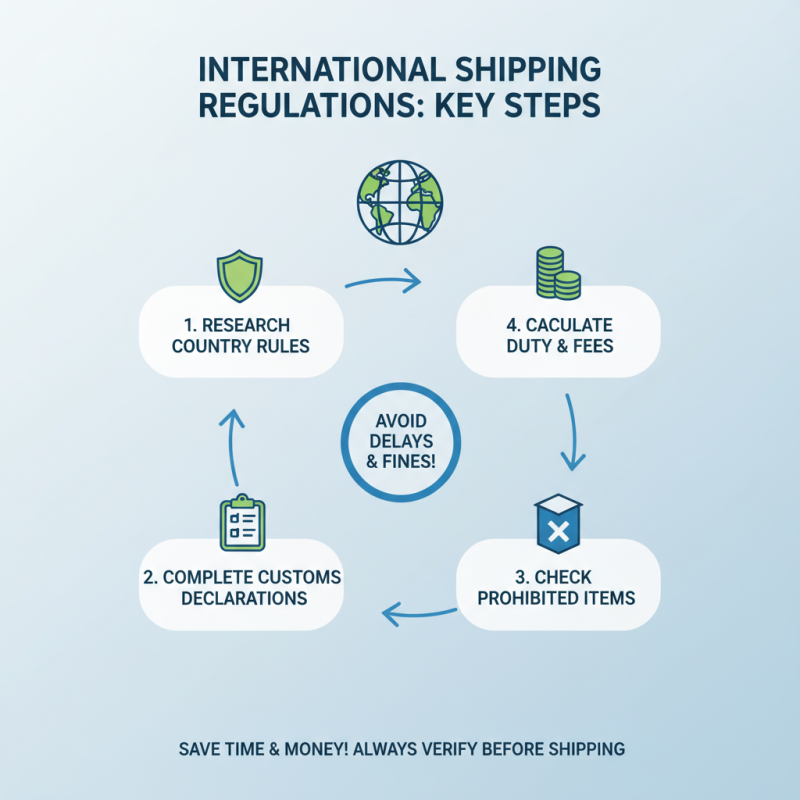
Understanding international shipping regulations is crucial for successful shipments. Each country has its own rules and requirements, making it complex. Knowing customs declarations, prohibited items, and duty fees helps avoid delays or fines. Always check the destination country’s regulations before shipping. This extra step can save time and money.
Documentation is key in international shipping. You’ll typically need a commercial invoice, packing list, and a shipping label. Each document should include accurate details about the contents and their value. Mistakes in this paperwork can lead to complications. For instance, if the declared value is too low, you may face unexpected charges.
Researching and staying updated on shipping regulations is essential. They can change based on trade agreements and political climates. Ignoring these changes can lead to frustration. Regularly consult official customs websites or recommended resources to ensure compliance. This due diligence strengthens your reliability as a shipper and enhances your international credibility.
Choosing the Right Shipping Carrier for International Deliveries
Choosing the right shipping carrier for international deliveries is crucial. Various carriers offer different services, speeds, and prices. Researching each option can be time-consuming, but it’s worth the effort. Some carriers may excel in express shipping, while others might provide cost-effective solutions for larger shipments.
Understanding your needs is essential. If time is critical, you might choose a carrier known for quick delivery. Look into their tracking capabilities as well. Real-time tracking can ease concerns about lost packages. On the other hand, if budget constraints exist, more economical options may be suitable, even if they take longer.
Remember to check the carrier’s reputation. Reviews and testimonials can provide insight into reliability. A carrier with a poor track record may not be worth the risk. Additionally, consider customer service. Efficient help can reduce stress during the shipping process. Reflect on your past experiences—what worked, what didn’t? Learning from previous shipments can guide future choices.
How to Create a Shipping Label for International Shipping?
| Shipping Carrier |
Service Type |
Delivery Time (Business Days) |
Cost (Estimation) |
Tracking Availability |
| Carrier A |
Standard International |
7-14 |
$30 |
Yes |
| Carrier B |
Express International |
3-5 |
$50 |
Yes |
| Carrier C |
Economy International |
14-21 |
$20 |
No |
| Carrier D |
Priority Mail International |
6-10 |
$45 |
Yes |
Gathering Necessary Information for Accurate Shipping Labels
Creating an international shipping label requires careful attention to detail. Accurate information ensures smooth processing and delivery. Key details include sender and recipient addresses, package dimensions, and contents description. According to industry reports, mislabeled packages can lead to delays, sometimes up to 30%. This makes precision in data collection crucial.
When gathering information, ensure addresses are complete. Use clear language to describe items. Avoid vague terms. For instance, instead of "electronics," specify "tablet" or "laptop." This detail can prevent customs complications. It’s important to double-check spelling, especially for international addresses.Errors can result in expensive rerouting.
Tips: Always verify weight and dimensions. These factors significantly affect shipping costs. An inaccurately weighed package can lead to unexpected charges. Consider using a digital scale for accuracy. Keep a record of shipments, including tracking numbers. This practice helps in monitoring the delivery process effectively.
Step-by-Step Guide to Creating Shipping Labels for International Packages
Creating international shipping labels can be a daunting task. The process demands precision and attention to detail. Research indicates that up to 37% of shipments get delayed due to improper labeling. This statistic highlights the necessity of following a step-by-step guide to ensure accuracy.
Begin by gathering essential information. You will need the sender’s and recipient’s addresses, package dimensions, and weight. Use a postal service that provides international shipping options. They often have specific platforms for generating labels. Take the time to input every detail accurately. Small errors can lead to significant problems in transit.
Next, understand customs declarations. Every international package requires proper documentation. Inaccurate descriptions can lead to customs issues and increased fees. According to a recent shipping industry report, around 25% of packages experience customs delays. This is frustrating for both the sender and the recipient. Use clear, precise language in your descriptions to minimize delays. Review your work carefully before finalizing the label. Mistakes happen, and being meticulous can save you time and money.
International Shipping Costs by Region
Tracking and Managing International Shipments Effectively
Managing international shipments can be challenging. One key aspect is tracking. You need to have clear visibility of your parcels. Utilize tracking numbers effectively. They provide real-time updates. This helps to reassure both you and your customers.
Setting up a tracking system is beneficial. Many logistics providers offer integrated solutions. However, it's crucial to understand how to use these tools. Not every tracking system is user-friendly. Some may have delays in updates. Patience is required here. Keeping your clients informed can build trust. Share tracking details with them.
Monitoring shipment progress is vital. Regular checks can prevent issues like lost packages. Involve your team in this process. Make sure everyone knows their responsibilities. Miscommunication can lead to missed opportunities. At times, problems arise unexpectedly. Be ready to address them quickly. Flexibility is key in international shipping.








 Phone
Phone Send Email