2026 Top Shipping Label Trends You Need to Know?
As we approach 2026, the shipping label industry is evolving rapidly. Experts are taking note of emerging trends that will shape the future of shipping labels. One notable expert, Sarah Collins, a logistics consultant, states, "Understanding shipping label trends is crucial for keep ahead in the competitive market."
In today's digital age, shipping labels are more than just functional items. They convey branding and customer information. Advanced technologies, such as QR codes and augmented reality, are changing the way consumers engage with them. Labels must now balance functionality with innovation.
However, the industry faces challenges. Sustainability is a growing concern. Many companies are still unsure how to integrate eco-friendly practices. Some cling to traditional methods. As we explore the top shipping label trends for 2026, we must ponder how these shifts will impact businesses and consumers alike. Balancing technology, sustainability, and user experience remains a critical task.

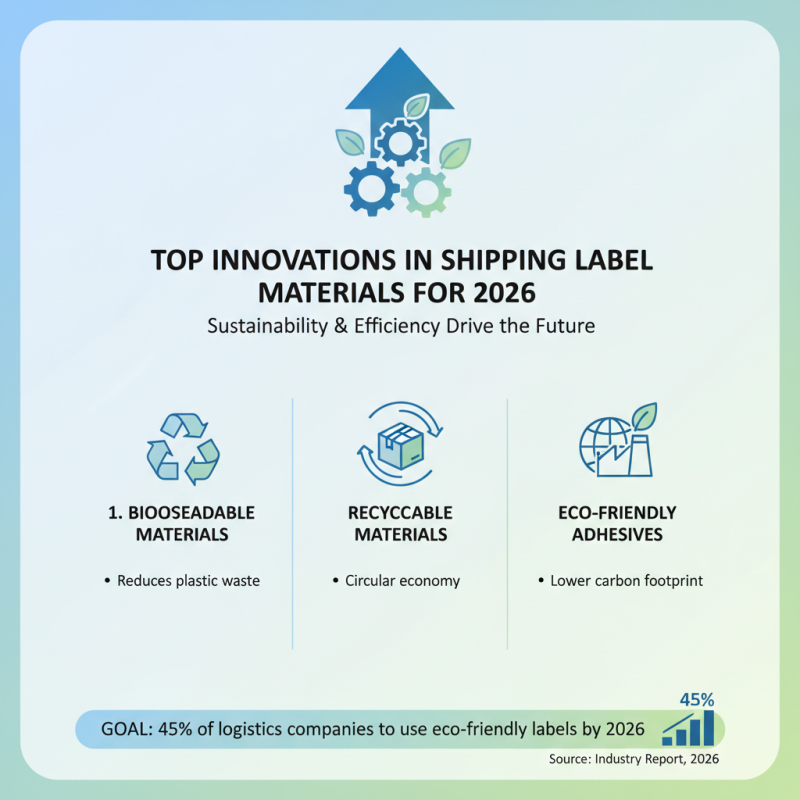
Top Innovations in Shipping Label Materials for 2026
As we approach 2026, several trends in shipping label materials are emerging, driven by sustainability and efficiency. Innovations will likely include biodegradable and recyclable materials, reducing plastic waste significantly. According to a recent industry report, 45% of logistics companies aim to use eco-friendly labels in their operations by 2026. This shift not only aligns with consumer preferences but also helps companies reduce their carbon footprint.
While new materials promise great benefits, challenges remain. Manufacturers must ensure that eco-friendly labels maintain durability and clarity. Studies indicate that labels made from sustainable materials may sometimes lack the strength of traditional ones. It's essential for companies to test these materials in real-world scenarios. Establishing quality assurance protocols can mitigate potential issues.
Tip: Prioritize testing new label materials in various environments. Evaluate their performance under different temperature and humidity levels. Regular feedback from your logistics team can help identify weaknesses and areas for improvement. In evolving your shipping strategies, keep an eye on these innovations. Adaptation is crucial for staying competitive in the ever-changing logistics landscape.
Emerging Technologies Transforming Shipping Label Production
Emerging technologies are radically changing shipping label production. Innovations like digital printing and automation increase efficiency. According to a recent industry report by Smithers Pira, digital label printing is projected to grow by 10% annually through 2026. This technology reduces waste and allows for quicker design changes.
Smart labels, embedded with RFID or QR codes, offer tracking advantages. They enhance supply chain transparency. A survey from Avery Dennison reveals that 67% of brands plan to utilize smart labeling by 2025. However, integrating these technologies can be challenging. Companies often struggle with data management and training staff.
Eco-friendly materials are also gaining attention. Sustainable labels reflect growing consumer awareness. The Flexible Packaging Association notes that 70% of consumers are more likely to choose brands with eco-conscious packaging. Despite this, sourcing sustainable materials remains a hurdle for many companies. Striking a balance between cost and sustainability requires ongoing effort and innovation.
Sustainability Trends Impacting Shipping Labels in 2026
Sustainability is reshaping the shipping label industry in 2026. As consumers become more eco-conscious, brands are under pressure to adopt sustainable practices. Eco-friendly materials, such as biodegradable and recyclable options, are on the rise. Brands that utilize these materials can reduce their environmental footprint. This shift is not just a trend; it's a necessity for long-term success.
In addition, eco-design principles are now guiding label production. Labels that use less ink and feature minimalistic designs are becoming more popular. This approach not only conserves resources but also appeals to customers looking for cleaner aesthetics. However, companies still face challenges in balancing sustainability with functionality. It's essential to ensure that labels remain durable while being environmentally friendly. Many businesses are still grappling with finding the right materials that meet both criteria.
Consumer education about sustainability is also crucial. Brands need to actively communicate their efforts. Transparency about material sourcing and production processes can build trust. Nonetheless, many still struggle to measure the actual impact of their sustainable practices. Without clear metrics, it’s challenging for brands to gauge their progress. This presents an ongoing challenge that requires continuous innovation and reflection to improve.
Consumer Preferences Shaping Shipping Label Designs
As shipping labels evolve, consumer preferences play a crucial role in their design. Customers seek labels that are not only functional but also visually appealing. Bright colors and clear fonts can enhance the overall experience. Many prefer labels with eco-friendly materials, aligning with their values for sustainability. Utilizing renewable resources can build brand loyalty among eco-conscious consumers.
Moreover, personalization is becoming a key trend. Consumers appreciate labels that feel unique to their orders. Custom designs or added QR codes can create a sense of connection. However, businesses should find a balance between creativity and clarity. Overly complex designs can confuse customers. Simplicity often leads to better comprehension of important shipping information.
Another aspect to consider is accessibility. Labels must cater to diverse audiences. Incorporating braille or large print can help visually impaired customers. Although adding such features may complicate standard designs, the effort reflects a commitment to inclusivity. Pain points exist when smaller businesses struggle to keep up with these trends. They may lack resources for advanced label printing. Nonetheless, understanding these preferences can guide them toward effective solutions.
2026 Top Shipping Label Trends You Need to Know - Consumer Preferences Shaping Shipping Label Designs
| Trend |
Description |
Consumer Preference (%) |
Expected Growth Rate (%) |
| Sustainable Materials |
Labels made from recycled or eco-friendly materials. |
65% |
20% |
| Custom Designs |
Personalized labels that cater to individual customer needs. |
70% |
15% |
| Smart Labels |
Labels embedded with NFC or QR codes for interactive experiences. |
55% |
25% |
| Minimalist Design |
Simple and clean design aesthetics appealing to modern consumers. |
60% |
10% |
| Colorful and Playful Themes |
Vibrant colors and fun graphics to attract younger demographics. |
75% |
30% |
Regulatory Changes Affecting Shipping Label Standards in 2026
In 2026, shipping labels will undergo significant changes due to new regulatory standards. These changes aim to improve safety, traceability, and transparency in shipping. Companies must adapt quickly to comply with these evolving requirements. Failure to do so could result in delays and increased costs.
One major shift is the emphasis on clearer labeling. This means using easily readable fonts and standardized symbols. Labels will need to include essential information like tracking numbers and product details. Additionally, more emphasis will be placed on environmental impact. Companies are encouraged to adopt eco-friendly practices in label production.
Another area of focus is data accuracy. With evolving technology, businesses must update their systems to ensure information on labels is correct. Misinformation can lead to logistical nightmares. Companies should regularly review their processes and invest in training for their staff. This preparation will be key to navigating the regulatory landscape of 2026.
2026 Top Shipping Label Trends: Regulatory Changes Affecting Shipping Label Standards




 Phone
Phone Send Email