How to Choose the Right Label Sheets for Your Printing Needs?
Choosing the right Label Sheets for your printing needs is crucial in today’s fast-paced business environment. According to a report by Smithers Market Research, the global label market is projected to reach $218 billion by 2025. This growth highlights the increasing importance of labeling in various industries. Experts emphasize that selecting high-quality label sheets can greatly impact branding and product perception.
Industry expert John Thompson states, "The right label sheets enhance clarity and appeal, directly affecting consumer choices." His insight resonates deeply amid a saturated market. Businesses must prioritize the type of label sheets they use for different applications. Factors like adhesive strength, sheet compatibility, and print technology should be carefully considered.
However, many companies overlook these details. A survey revealed that 30% of businesses unintentionally use mismatched label sheets. This misstep can lead to wasted resources and damaged reputations. In an ever-evolving landscape, the selection of appropriate labeling solutions should not be an afterthought. Prioritizing quality and suitability in Label Sheets helps brands stand out.
Understanding Your Printing Needs
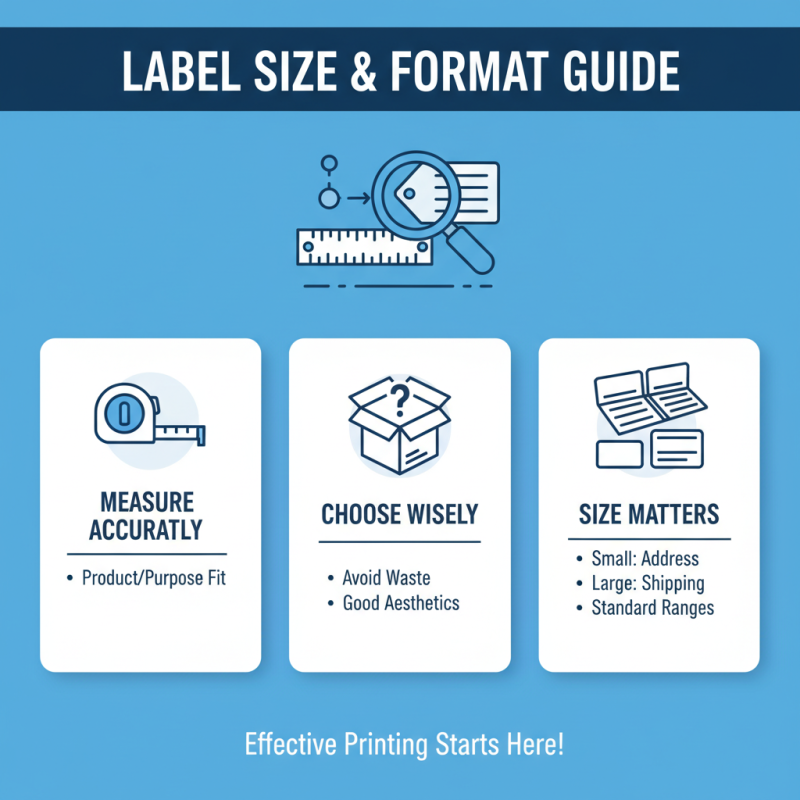
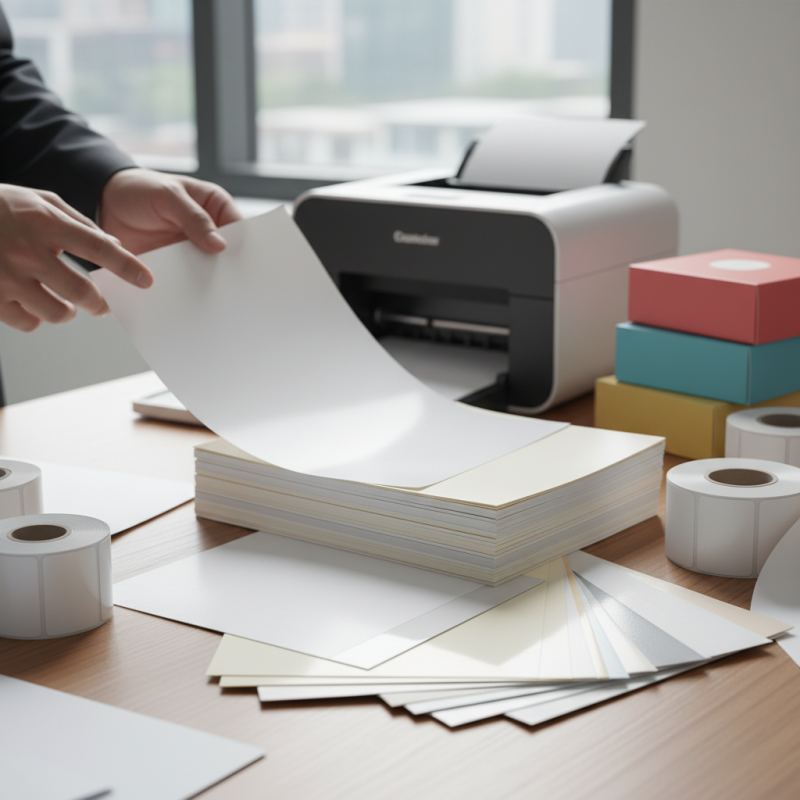
Understanding your printing needs is crucial for selecting the right label sheets. Start by identifying the purpose of the labels. Are they for shipping, product labeling, or organization? Each use case demands different materials and finishes. For instance, shipping labels need durability and resistance to tearing. Product labels might require a glossy finish to enhance visual appeal. Think carefully about these factors.
Next, consider the type of printer you will use. Inkjet and laser printers have varying compatibility with label sheets. Not all labels work well with both types. Additionally, assess the size and shape of the labels. Custom sizes may be necessary for specific requirements. Remember, a mismatch can lead to misaligned prints and wasted sheets. Test a few sample sheets if possible. This trial can reveal what works best for your specific situation.
Lastly, reflect on the quantity you need. Buying in bulk can save money but might lead to unused sheets. Balance your budget against your actual consumption. Quality should not be overlooked, either. Cheaper labels may save money upfront, but they might fail to perform in the long run. Explore your options, weigh your needs, and choose wisely.
How to Choose the Right Label Sheets for Your Printing Needs?
| Label Type |
Size (inches) |
Material |
Adhesive Type |
Printer Compatibility |
| Avery 5160 |
2.625 x 1 |
Paper |
Permanent |
Inkjet, Laser |
| Brother DK-1201 |
2.4 x 1.1 |
Thermal |
Removable |
Thermal Printers |
| Neato Blank Labels |
3 x 2 |
Vinyl |
Permanent |
Inkjet |
| Sheet Labels |
4 x 6 |
Polyester |
Waterproof |
Laser |
| Zebra Z-Perform |
2 x 1 |
Synthetic |
Permanent |
Direct Thermal |
Evaluating Different Label Sheet Materials
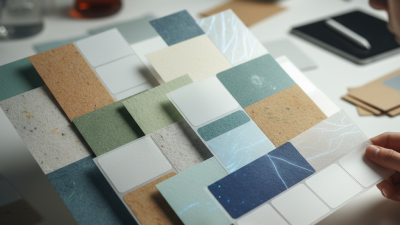
Choosing the right label sheets can significantly impact your printing project. Different materials offer unique benefits and drawbacks. Understanding these can lead to better results.
Paper labels are cost-effective and widely used. They work well for simple printing tasks, such as address labels. However, they may not adhere well to all surfaces. Consider the environment where the label will be applied. If it’s for a rough surface, these may fall short.
On the other hand, synthetic labels are durable and moisture-resistant. They are ideal for outdoor use or items exposed to liquids. These may come at a higher price but provide reliability in tough conditions. Yet, some may find them difficult to print on due to their slick surfaces.
Tips: Test labels on a small batch before full production. This can help you avoid costly mistakes. Consider how the labels will interact with your printer. Not all printers handle every material well. Always check compatibility to save time and frustration.
Exploring Adhesive Options for Label Sheets
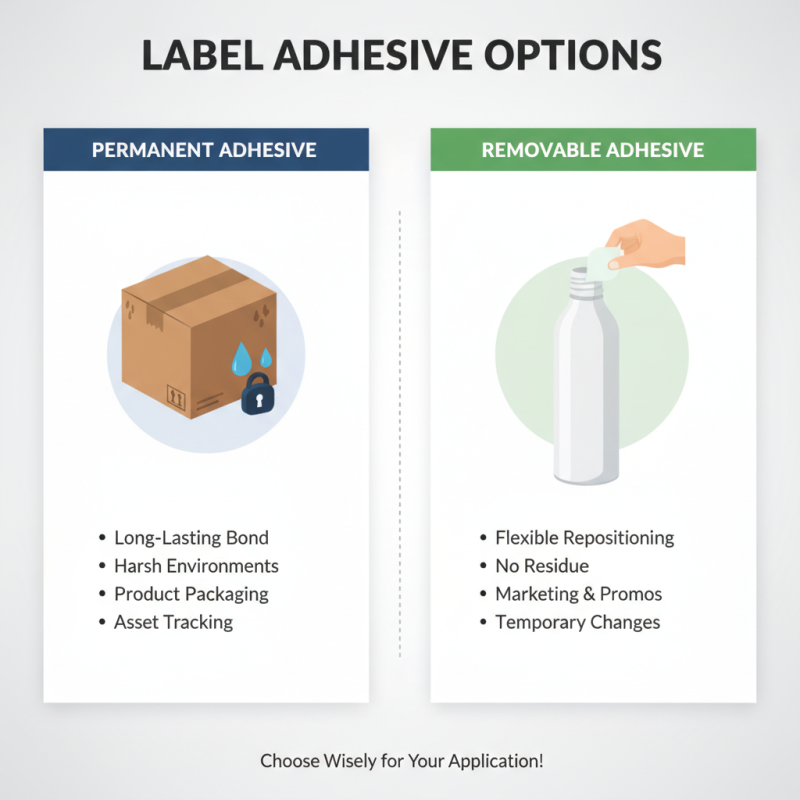
When selecting label sheets, adhesive options play a crucial role. Different adhesives serve various purposes, making your choice essential. For instance, permanent adhesives are ideal for items that require a long-lasting bond. These are suitable for products in harsh environments. On the other hand, removable adhesives offer flexibility. They allow labels to be repositioned or removed without residue. This is important for applications such as marketing or branding, where changes are frequent.
Consider the surface where the label will be applied. Some adhesives stick better on rough surfaces, while others perform well on smooth ones. Environmental factors also matter. Extreme heat or humidity can affect adhesive performance. If you’re unsure, testing a few sheets can help. It’s wise to check user reviews and product specifications. However, everyone’s experience will differ based on their unique needs.
Reflecting on your specific context is key. What does your application require? An appropriate adhesive can enhance the effectiveness of your labels. Therefore, the right choice can save you time and resources. Label sheets might seem simple, but the adhesive option complicates the decision. Understanding your needs is the first step towards making a better choice.
Assessing Compatibility with Printing Equipment
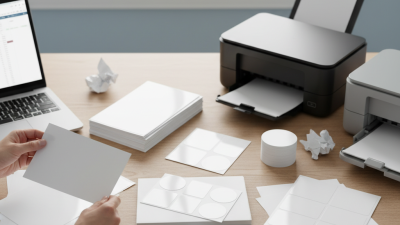
When selecting label sheets, compatibility with your printing equipment is crucial. Different printers work best with specific types of label materials. For instance, inkjet printers typically require sheets that absorb ink effectively. Laser printers, on the other hand, often work better with thicker materials that can withstand higher temperatures. Understanding these differences can prevent disastrous printing mishaps.
Another essential factor is the printer's maximum media weight. Some printers do not handle heavier label sheets well, leading to jamming or poor print quality. Always check your printer's specifications before purchasing label sheets. It's a simple detail, yet overlooking it can waste time and resources.
Pay attention to the finish of the labels too. While some printers can work with glossy finishes, others may only support matte surfaces. Experiments may be necessary to find the perfect match. Each printer has its own quirks, and what works for one setup may not be suitable for another. This process can lead to unexpected results, making it important to document your findings for future reference.




 Phone
Phone Send Email