How to Choose the Best Label Sheets for Your Printing Needs?
Choosing the right label sheets can make or break your printing project. With so many options available, it’s crucial to understand your specific needs. Label sheets vary in size, material, and adhesive. These factors greatly influence the effectiveness of your labels.
Consider the purpose of your labels. Are they for a professional product or a casual event? The answer will guide your choice. High-quality labels enhance branding, while cheaper options may suffice for temporary uses. Brands like Avery and Microsoft offer diverse options, each with unique features. Researching these brands helps find reliable solutions.
Don't underestimate the value of compatibility with your printer. Not all label sheets work well with every printer type. Testing a few sheets before buying in bulk is a wise approach. Ultimately, thinking critically about your choice can save time and money in the long run.
Understanding Your Printing Requirements for Label Sheets
Choosing the right label sheets starts with understanding your printing requirements. Your project may need different finishes, sizes, or adhesive types. It’s important to assess what material will work best for your specific applications. Consider whether your labels need to withstand heat, moisture, or outdoor conditions. These factors can impact your choice significantly.
Tips: Always test a few sheets before committing. This can help prevent wastage of resources. Keep in mind the printer compatibility as well. Some printers may have issues with thicker or glossy sheets. A mismatch can lead to printing errors or paper jams.
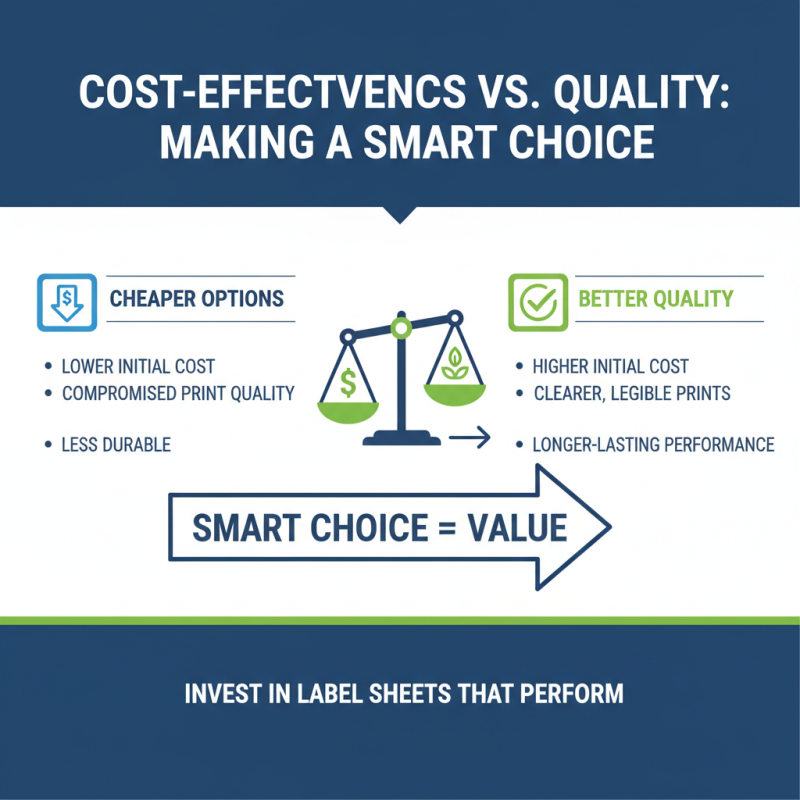
Another aspect to consider is the quantity you'll need. If you only require a small batch, buying in bulk might not be practical. Evaluate the cost-effectiveness of your options. You could find that you don’t always need premium materials for less demanding tasks. Balancing quality and affordability can be a challenging but necessary exercise.
Label Sheet Printing Requirements
Different Types of Label Sheets Available in the Market
When selecting label sheets, understanding the different types available is crucial for effective printing. There are several formats to consider, including matte, glossy, and clear labels. Matte labels are often used for a professional appearance. They are known for their easy handwriting and suitability for various printers. Glossy labels, on the other hand, provide vibrant colors and sharp images. These are commonly used for product labeling.
Research indicates that over 85% of businesses prioritize durability in their label materials. Clear labels, which are transparent, offer a unique appeal for glass or plastic containers. They create a seamless look that is popular in food packaging. However, one must remain cautious; the printing process can be tricky, as not all printers handle clear labels equally well.
Environmental consideration is increasingly important. Biodegradable label sheets are emerging as a preferred choice for eco-conscious consumers. However, their availability may be limited. Sometimes, they may not offer the same adhesion quality as traditional materials. Thus, it's essential to assess needs thoroughly before making a mistake. Ultimately, choosing the right label sheets hinges on the intended use, material characteristics, and environmental impact.
How to Choose the Best Label Sheets for Your Printing Needs?
| Label Type |
Material |
Size (inches) |
Adhesive Type |
Print Compatibility |
| Standard White |
Paper |
8.5 x 11 |
Permanent |
Inkjet, Laser |
| Clear |
Polyester |
5 x 3 |
Removable |
Laser |
| Glossy |
Polyester |
4 x 6 |
Permanent |
Inkjet |
| Matte |
Vinyl |
2 x 2 |
Permanent |
Laser, Inkjet |
| Shipping Label |
Paper |
8.5 x 5.5 |
Permanent |
Inkjet, Laser |
Key Factors to Consider When Choosing Label Sheets
When selecting label sheets, consider several key factors. The type of ink used is crucial. For instance, inkjet printers require specific label sheets that can effectively absorb ink without smudging. According to a report from the Label Manufacturers Institute, 75% of label printing issues arise from using incompatible materials. Testing different papers can help identify which suits your printer best.
Adhesive quality also plays a significant role. Permanent adhesives stick firmly but may not be removable without residue. In contrast, removable adhesives offer flexibility but might not hold up in humid conditions. A survey by the Adhesive and Sealant Council found that nearly 40% of businesses have faced challenges related to adhesion failures, highlighting the importance of selecting the right adhesive type.
Another factor is the size and shape of the labels. Custom sizes may require specific printing files, adding complexity. Approximately 30% of businesses report that improper sizing leads to wasted sheets and increased costs. Striking a balance between design and functionality is critical to achieving the desired outcome. Remember, every decision can impact your overall efficiency and satisfaction.
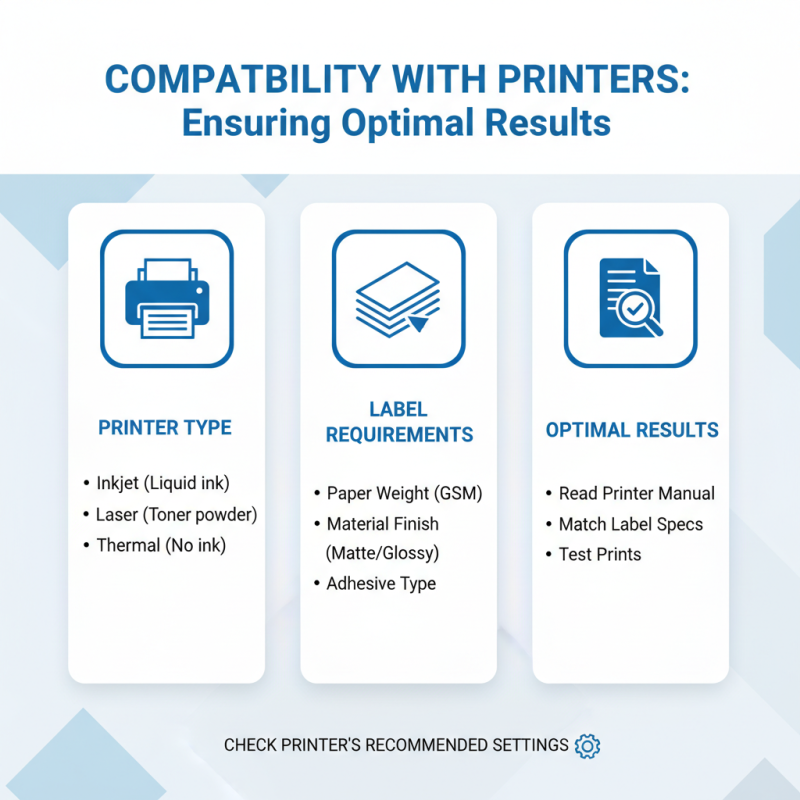
Compatibility with Printers: Ensuring Optimal Results
When selecting label sheets, printer compatibility is crucial. Many printers have specific requirements to achieve optimal print quality. Understanding your printer’s capabilities can make a significant difference in your final product. Check for the printer’s recommended paper weight and finish. Some printers may struggle with glossy labels, while others thrive on them.
Additionally, not all label sheets are created equal. The adhesive used can vary, affecting how well the label adheres to surfaces. Experimenting with different sheets can lead to frustration. It’s essential to read user reviews and product specifications. This research can uncover common issues faced by others. Keeping an eye on compatibility helps in making informed decisions.
Evaluate how often you print and the types of surfaces you’ll use. Certain printers handle thicker sheets better than others. However, performance can differ based on specific environments. Humidity and temperature may also affect adhesion. It’s important to be prepared for potential trial and error, as the perfect label sheet may not appear on the first try.







 Phone
Phone Send Email