Leave Your Message
Choosing the right Label Sheets can save time, reduce misprints, and help every parcel arrive with a readable address. The best option depends on more than price. Paper finish, sheet size, adhesive strength, and printer compatibility all matter. A glossy sheet may look polished, yet some inkjet printers leave it tacky. A sturdy-looking label can still peel from a cold, dusty carton. Small details count.
Packaging scientist Dr. Andrew Hurley offers a useful expert perspective: packaging should be considered in the conditions where it will actually be used. The line below is an editorial rule of thumb, not a verified quotation from him: “Test the sheet in the printer and on the parcel, not just in your hand.” That check can reveal curling edges, smeared ink, or labels that lift during handling. Sometimes, the cheaper pack works perfectly. Sometimes it does not.
This guide compares ten Label Sheets for printing and shipping, focusing on practical trade-offs rather than vague promises. You’ll find options for common home and office printers, different label formats, and varied shipping needs. Look for clear compatibility details, dependable feed performance, and adhesive suited to your package surface. Test a small batch first. A little caution helps. The right sheet should print cleanly, stick securely, and make routine dispatches less frustrating.
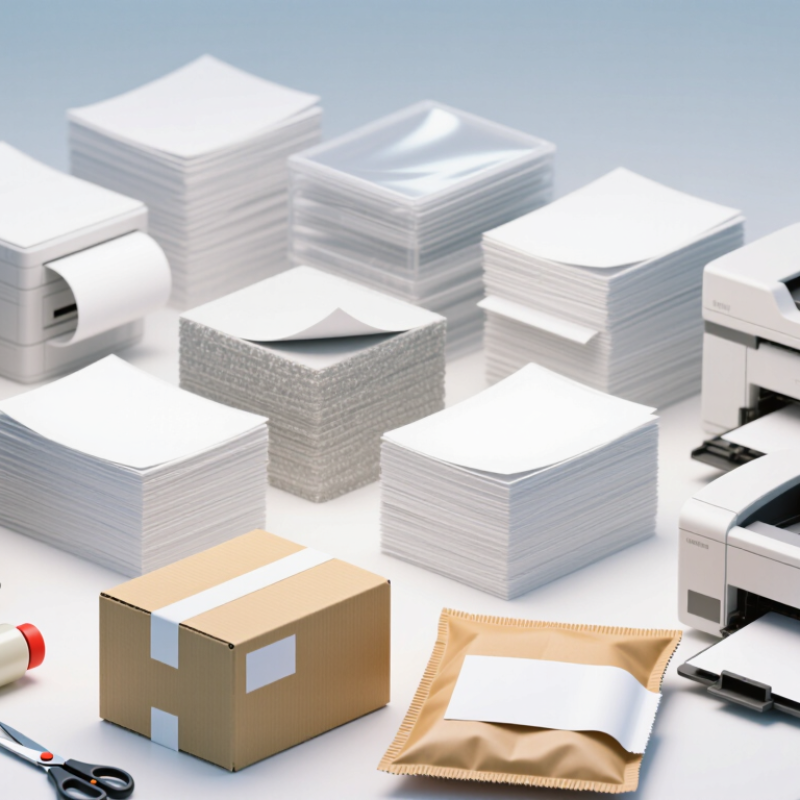
Label sheets are flat, pre-cut sheets carrying multiple self-adhesive labels. Each label sits on a release liner, which protects its adhesive until use. Sheets can be printed on compatible inkjet or laser printers, but the coating matters. A label made for one printer type may smear or curl in another. Check the package specifications and run a test sheet before printing a full batch.
Most shipping labels use paper because it is easy to print and write on. Some use synthetic films, such as polyester, when moisture resistance or extra durability is useful. Adhesives also vary: a permanent adhesive suits parcels that need a firm bond, while removable types work better for temporary identification. The backing is often silicone-coated paper, allowing labels to peel away cleanly. Small detail. It matters.
In shipping, sheets can hold recipient addresses, return addresses, barcodes, or handling notes. Clear contrast and accurate dimensions help scanners read barcodes and keep text legible on a box. Apply labels to a clean, dry, flat surface, avoiding seams and corners. That sounds simple, but rushed packing can leave wrinkles over a barcode. A quick scan check may catch the problem before dispatch. For frequent shipments, compare sheet size, printer compatibility, adhesive strength, and storage conditions before choosing a format.
| Label Sheet Type | Typical Material | Typical Adhesive | Best Shipping Use | Printing Considerations | Key Advantage |
|---|---|---|---|---|---|
| Everyday Paper Shipping Labels | White, printable paper face stock on a release liner | Permanent pressure-sensitive adhesive | Address labels, parcel identification, and routine indoor shipping | Choose sheets specifically coated for inkjet or laser printers; these printer types are not automatically interchangeable. | Clear, easy-to-read printing for common shipping information |
| Laser-Compatible Paper Labels | Paper face stock formulated for laser printing | Permanent pressure-sensitive adhesive | Batch printing of shipping addresses and parcel labels | Use only sheets identified as suitable for laser printers; follow the printer’s media and tray instructions. | Convenient for printing multiple labels in one sheet-fed job |
| Inkjet-Compatible Paper Labels | Inkjet-receptive coated paper face stock | Permanent pressure-sensitive adhesive | Colorful parcel labels and small shipping runs | Use inkjet-rated sheets and allow printed ink to dry as directed before handling or packing. | Supports color graphics and text on compatible inkjet printers |
| Removable Paper Labels | Printable paper face stock | Removable pressure-sensitive adhesive | Temporary parcel markings, reusable totes, and labels that need clean removal | Check that the label is rated for the intended printer and test adhesion on the receiving surface. | Designed to be removed more easily than permanent labels, though results depend on the surface and conditions |
| Water-Resistant Synthetic Labels | Printable synthetic film, commonly polypropylene | Permanent pressure-sensitive adhesive | Parcels or containers that may encounter moisture during handling | Confirm printer compatibility; synthetic films require the appropriate coating and printer settings. | Better resistance to water and tearing than ordinary paper labels |
| Durable Polyester Labels | Polyester film face stock | Permanent pressure-sensitive adhesive | Shipping identification that needs greater resistance to abrasion or handling | Use only with a printer and media setting approved for the specific polyester sheet. | Durable film construction for demanding handling conditions |
| High-Tack Labels | Paper or synthetic face stock, depending on the product | Higher-bond permanent adhesive | Rough, textured, or difficult-to-label packaging surfaces | Check printer compatibility and apply to a clean, dry surface for better contact. | Designed for stronger adhesion than general-purpose label adhesive |
| Freezer-Grade Labels | Paper or synthetic face stock rated for low-temperature use | Cold-temperature adhesive | Shipments or containers stored in refrigerated or frozen conditions | Verify the product’s stated application and service temperature ranges, as these vary by label. | Formulated to maintain adhesion in specified cold environments |
| Clear Film Labels | Transparent printable film | Permanent pressure-sensitive adhesive | Neat package identification where the label background should remain visible | Check printer type and coating requirements; dark or patterned surfaces can reduce text contrast. | Allows the packaging surface to show through the label |
| Recycled Paper Labels | Paper face stock containing recycled fiber | Permanent pressure-sensitive adhesive | Routine shipping labels when recycled-content materials are preferred | Confirm the sheet is suitable for the intended printer and that printed text remains easy to scan. | Offers a paper-based option with recycled content, which varies by product |
Note: A label sheet is a sheet of face material and pressure-sensitive labels held on a release liner for printing and application. Printer compatibility, adhesive performance, and resistance to moisture, temperature, and abrasion vary by product; check the label specifications before use. Standard sheet labels are generally made for compatible inkjet or laser printers, not direct-thermal printers.




 Phone
 Send Email