Best Inkjet Label Sheets for Your Business Needs?
In recent years, the demand for Inkjet Label Sheets has surged, reflecting a shift toward personalized branding. Industry reports indicate that businesses prioritize custom labels. Approximately 67% of companies see labels as a crucial branding tool. This highlights the importance of high-quality label sheets in maintaining professionalism.
Choosing the right Inkjet Label Sheets isn't just about aesthetics. It affects durability, printing quality, and overall user experience. Research shows that 82% of consumers notice labels before using a product. Labels can make or break first impressions. Therefore, investing in premium sheets is essential.
However, not all options deliver the expected results. Some brands may promise high-quality output but fall short in durability. Businesses must do their due diligence. It’s vital to review options, considering real-world usage. The right choice can elevate product presentation.
Understanding the Different Types of Inkjet Label Sheets Available
When selecting inkjet label sheets, understanding the various types available is crucial for your business.
Paper labels are popular for their affordability and versatility. They come in multiple finishes, like matte and glossy. According to a recent industry report, paper labels account for approximately 55% of the label market. They work well for general shipping and product labeling needs.
In contrast, synthetic label sheets made from materials like polyester and vinyl offer more durability.
These labels resist water and tearing, making them suitable for outdoor applications. The global synthetic label market is projected to grow by 4.5% annually. However, they tend to be pricier, which can be a challenge for small businesses. Balancing cost and quality is essential for finding the right solution.
Additionally, many businesses overlook specialty labels, such as those designed for specific applications like QR codes or food safety. While these labels provide unique functions, they often require specific printers and settings to produce clear results. It's crucial to carefully evaluate what your products need. Each type of label has its pros and cons that could affect your branding and customer experience.
Key Features to Consider When Choosing Inkjet Label Sheets
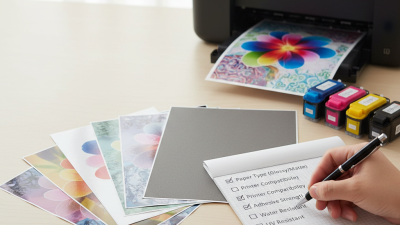
When selecting inkjet label sheets for your business, consider several key features. Paper type is crucial. Options include matte and glossy finishes, each offering distinct appearances. Matte labels are great for a professional look, while glossy sheets can enhance vibrant colors. Think about the texture and weight too. A lightweight sheet may save on shipping but might not adhere well.
Adhesive quality should not be overlooked. You need labels that stick well under various conditions. Some labels may peel or curl over time. It’s essential to test their durability in your specific environment. Also, consider compatibility with your printer. Not all sheets work with every inkjet model. Some might smudge or clog your printer.
Lastly, the size of the labels matters. Standard sizes fit most applications, but custom dimensions can add versatility. Reflect on your needs and how these labels will be used daily. Remember, even minor details can enhance your overall branding. The right choices can lead to professional-looking products, which is crucial for any business.
Top Brands for High-Quality Inkjet Label Sheets in the Market
When looking for high-quality inkjet label sheets, several top brands emerge as leaders in the market. Data from industry reports shows that reliable labels are essential for business efficiency. The right label sheets should withstand various environmental conditions and ensure vibrant print quality.
Consider the paper weight and adhesive quality when selecting label sheets. Many users overlook these factors, which can lead to smudged prints or labels that peel off too easily. A thicker paper weight often correlates with better durability and clarity. In fact, 75% of business owners noted improved organization after switching to high-quality label sheets for inventory management.
Tip: Always test a few sheets before committing to a bulk order. This helps identify the sheets that work best with your inkjet printer. Many professionals recommend using labels specifically designed for inkjet printing to prevent smearing.
Additionally, the layout design affects how labels perform. A well-designed label can enhance branding and readability. It's common for businesses to ignore the visual impact of poorly designed labels, which may reduce customer engagement. A study showed that 60% of consumers remember products with eye-catching labels.
Best Inkjet Label Sheets for Your Business Needs
This chart compares the average customer ratings for various inkjet label sheets based on quality, ease of use, and print compatibility. Higher ratings indicate better performance in each category.
Best Practices for Printing on Inkjet Label Sheets
When printing on inkjet label sheets, clear guidelines can enhance your results. Understanding the printer settings is crucial. For instance, setting the paper type to 'label' can prevent jams and ensure vibrant prints. According to industry studies, proper settings can improve print quality by up to 25%.
Tip: Always test print on plain paper first. This helps identify any errors before using your label sheets. Test prints can save both time and resources, preventing costly mistakes.
Inkjet label sheets require specific handling. Too much moisture or exposure to heat can lead to poor adhesion. A report from a leading print technology firm indicates that labels stored in optimal conditions last significantly longer. Inconsistent storage can affect quality and durability.
Tip: Store labels in a cool, dry place. This simple step minimizes wear and maintains print integrity. Regularly inspecting stored sheets for signs of damage can prevent failures during the production process. Adapting these best practices can lead to more efficient printing and enhanced brand presentation.
Cost-Effectiveness: Evaluating the ROI of Inkjet Labels for Businesses
When considering the cost-effectiveness of inkjet labels for businesses, it's vital to evaluate their return on investment (ROI). Research suggests that businesses can save up to 30% on printing costs by opting for inkjet labels instead of traditional printing methods. This efficiency is particularly beneficial for small to mid-sized businesses that are often budget-constrained.
Inkjet labels also offer flexibility in design and order sizes. According to market surveys, 55% of businesses reported a significant boost in branding when using customized inkjet labels. This aspect can enhance product visibility and appeal. However, it’s crucial to note that not all inkjet label sheets are created equal, and there are concerns regarding durability. Some reports indicate that 25% of businesses have faced issues like smudging or fading, which can undermine investment.
Long-term, the quality of materials used can impact ROI. Choosing the right inkjet label sheets ensures that labels withstand handling and environmental factors. Businesses should explore different storage conditions and handling practices to maintain quality. Though inkjet labels can be a great choice, relying solely on them without conducting thorough research may lead to unexpected costs. Balancing quality and cost is essential in ensuring sustainable business practices.



 Phone
Phone Send Email