2026 Top Sticker Roll Trends for Global Buyers What to Expect
In the ever-evolving world of consumer products, Sticker Roll trends are pivotal for brands seeking to stand out. Experts predict that 2026 will bring exciting innovations in this sector. "The Sticker Roll market embraces creativity and sustainability," says Sarah Thompson, a leading analyst in the packaging industry. Her insights highlight the growing demand for eco-friendly materials in sticker production.
As global buyers look for unique branding solutions, Sticker Rolls are increasingly personalized. Trends are shifting towards that reflect individual customer values. With advances in technology, the customization options seem limitless. However, one challenge remains: balancing unique designs with production efficiency.
Quality will also be key in 2026. Consumers expect durable Sticker Rolls that withstand wear and tear, while retaining their vibrant designs. This year may bring down some existing suppliers, struggling to meet these shifting standards. Overall, the Sticker Roll industry stands on the brink of transformation, calling for both innovation and careful reflection.
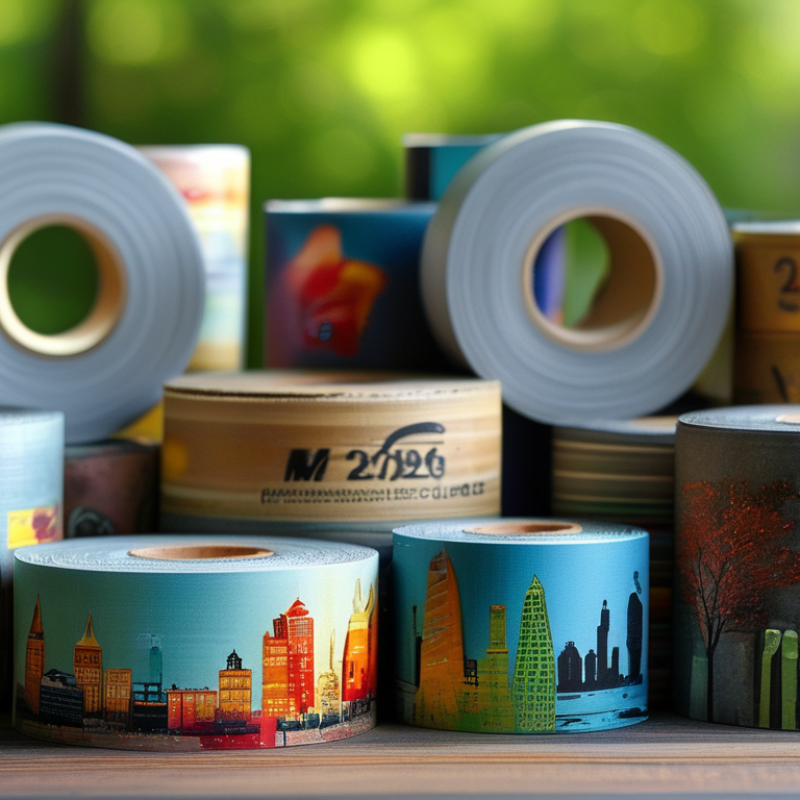
Emerging Designs: Exploring Innovative Sticker Roll Patterns for 2026
In 2026, sticker roll designs are set to embrace a wave of innovation. Expect to see vibrant colors and bold patterns that capture attention. Shapes inspired by nature will dominate, pushing the boundaries of traditional designs. Floral motifs will showcase intricate details, making them appealing for various uses. Geometric patterns paired with soft gradients will balance modernity with elegance.
Perhaps the most intriguing trend will be the use of interactive elements. Augmented reality previews may come into play, offering a unique experience. Users can scan the stickers to see them come to life on their screens. This interactive approach could redefine user engagement, making stickers more than just static images.
Despite these exciting trends, challenges remain. Many designs may feel overly complicated. Simplicity will sometimes be lost amid the creative chaos. Buyers should focus on the clarity of the message conveyed through these designs. As the market evolves, maintaining a balance between innovation and usability will be essential for success.
2026 Emerging Sticker Roll Trends
This chart displays the anticipated trends in sticker roll designs for 2026, highlighting the popularity of various patterns among global buyers.
Sustainable Materials: The Shift Towards Eco-Friendly Sticker Production
As global awareness of environmental issues grows, the sticker industry is experiencing a pivotal shift. Eco-friendly sticker production is gaining traction. Sustainable materials like biodegradable films and recycled paper are now in demand. These materials significantly reduce plastic waste, appealing to environmentally conscious consumers.
More brands are prioritizing sustainability in their designs. They are using plant-based inks and eco-friendly adhesives. However, challenges remain. The cost of these materials can be higher than traditional options. Some companies hesitate to make the switch due to budget constraints. This leads to a reliance on cheaper, less sustainable materials.
Innovations in material technology are also crucial. Research is ongoing to improve the durability and quality of eco-friendly stickers. The industry must balance aesthetics and sustainability. Not all sustainable materials perform equally well. Buyers need to navigate this evolving landscape thoughtfully. This awareness can guide their choices towards more responsible sticker production.
Customization Trends: Personalization in Sticker Rolls for Global Buyers
In recent years, customization has emerged as a key trend in the sticker roll market. According to a report by Grand View Research, the global sticker market is projected to reach $50 billion by 2028. Personalization allows buyers to create unique designs that reflect individual preferences. This demand highlights a shift towards more engaging and tailored products.
Tip: Consider using online design tools to create your custom stickers. These platforms offer various templates and design options, making personalization accessible for everyone.
The rise of e-commerce has also fueled this trend. Buyers expect more choices in shapes, sizes, and finishes. Data from Statista shows that over 30% of consumers favor customized products over standard ones. Yet, businesses must maintain quality. Rushed designs can lead to unsatisfactory results.
Engaging customers in the design process can enhance loyalty. Personalized experiences resonate more with buyers, encouraging repeat purchases. Brands should not overlook this aspect. Balancing creativity with practicality is essential for success in the sticker roll market.
Technological Advancements: The Role of Digital Printing in Sticker Quality
Digital printing has transformed the sticker industry. This technology enhances the quality and appeal of stickers. High-resolution images can be produced with vibrant colors and intricate details. Buyers now expect stickers that stand out in both design and durability. This advancement allows for greater customization options, making it easier to meet diverse consumer needs.
However, the shift to digital printing is not without challenges. Some companies may struggle with the initial costs of new equipment. Quality control can vary, leading to inconsistencies in printed products. Buyers must be vigilant in selecting trustworthy suppliers. Attention to detail is crucial in ensuring the final product meets expectations.
As the sticker market evolves, staying informed about these trends is essential. The role of digital printing will likely continue to grow. It offers innovative solutions, but requires ongoing investment and quality assessment. The future holds exciting possibilities, but also a need for caution. Embracing technology involves acknowledging areas for improvement and striving for excellence.
2026 Top Sticker Roll Trends for Global Buyers What to Expect - Technological Advancements: The Role of Digital Printing in Sticker Quality
| Trend |
Description |
Impact of Digital Printing |
Expected Growth % |
Market Demand |
| Eco-friendly Materials |
Increasing use of biodegradable and recyclable materials in sticker production. |
Enhanced print clarity and reduced waste with digital methods. |
25% |
High demand from environmentally-conscious consumers. |
| Custom Personalization |
Growing trend for personalized stickers based on individual customer designs. |
Digital printing allows for affordable short runs of custom designs. |
30% |
Increased interest from online retailers and hobbyists. |
| Interactive Stickers |
Use of QR codes and AR technology to enhance user interaction. |
Digital printing can incorporate variable data for unique interactions. |
20% |
Appealing to tech-savvy consumers looking for innovative products. |
| Durable Finishes |
Increasing demand for weather-resistant and long-lasting stickers. |
Digital printing allows for UV-resistant inks, enhancing durability. |
22% |
High demand in outdoor and industrial sectors. |
| Artisanal Designs |
Focus on handcrafted and artistic sticker designs for niche markets. |
Digital printing facilitates high-quality reproductions of intricate designs. |
15% |
Interest from local artisans and craftspeople. |
Market Insights: Consumer Preferences Shaping Sticker Roll Trends in 2026
As we look ahead to 2026, the sticker roll market is poised for exciting transformations driven by consumer preferences. Recent studies indicate that 52% of buyers prioritize eco-friendly materials when selecting stickers. This shift reflects a growing awareness of sustainability among consumers. More than ever, buyers expect brands to align with their values.
Customization is another key trend shaping the market. Nearly 65% of consumers express a desire for personalized designs. This trend highlights a demand for unique, tailored products that resonate with individual identity. Small businesses particularly benefit from this shift, as they can create niche products that cater to specific customer tastes.
However, the emergence of these trends raises questions about quality control. Some consumers have reported dissatisfaction with low-quality items. Ensuring that these new designs meet durability standards is crucial. Balancing innovation with reliability remains a challenge for manufacturers, making it essential to gather feedback and adapt continuously.






 Phone
Phone Send Email