Top 10 Adhesive Label Sheets for Your Business Needs?
In today's fast-paced business environment, selecting the right Adhesive Label Sheets is crucial for effective branding and organization. Industry expert Mark Thompson, a leading figure in label printing technology, once stated, “The right label can transform your product's appeal.” His insight highlights the importance of quality labels in attracting customers.
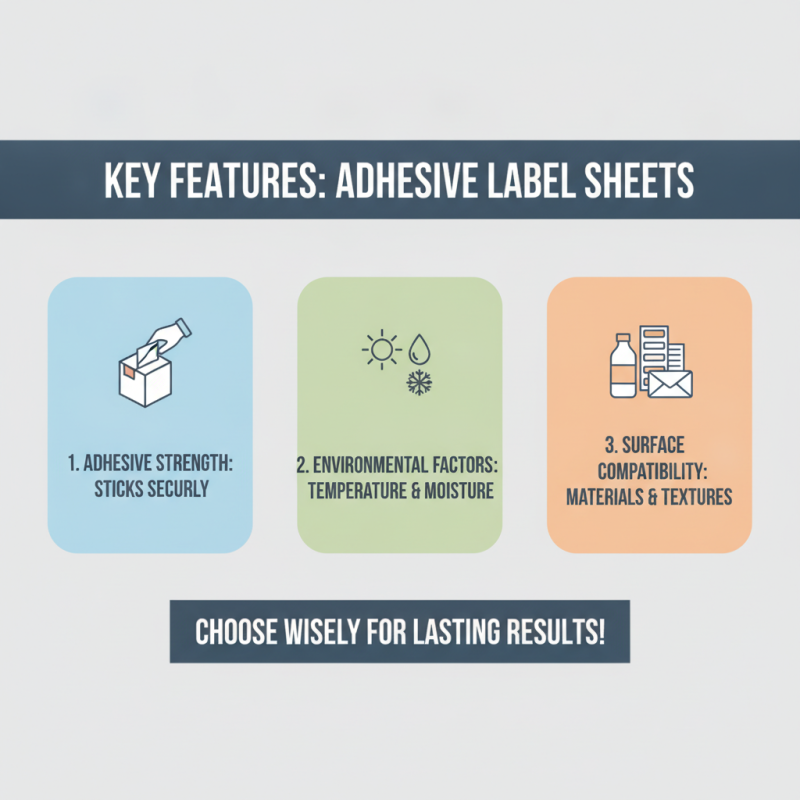
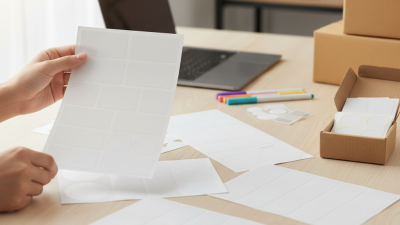
Adhesive Label Sheets come in various types and sizes, tailored for different applications. Businesses often struggle to find the perfect match for their requirements. Factors like adhesive strength, paper quality, and print compatibility play critical roles. High-quality materials can enhance both aesthetics and functionality. Yet, many companies overlook these elements, missing opportunities for improvement.
Investing in the right Adhesive Label Sheets can elevate product presentation. It’s not merely about sticking a label to a product—it’s about conveying a message. A poorly chosen label may detract from the product’s perceived value. In this guide, we will explore the top options, aiming to simplify your decision-making process while ensuring your labels reflect your brand's quality.
Understanding Adhesive Label Sheets: A Comprehensive Overview
Adhesive label sheets are crucial for businesses. They play a significant role in branding, organization, and communication. According to a report by Smithers Pira, the global market for labels is projected to reach $45 billion by 2025. This showcases the increasing reliance on effective labeling solutions in various industries.
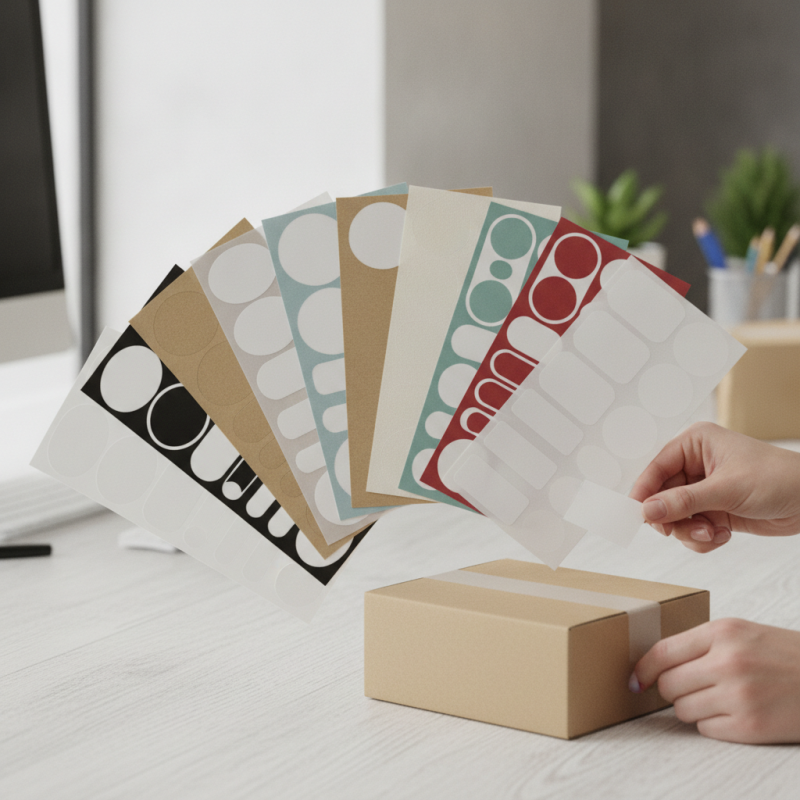
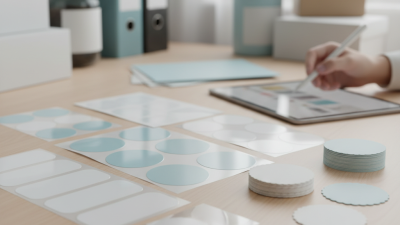
Understanding the different types of adhesive label sheets is vital. There are permanent, removable, and special application labels. Each serves a unique purpose. For example, permanent labels are ideal for packaging, while removable labels suit temporary uses. This reflects the diverse needs businesses have when it comes to labeling. Despite advancements, some companies still struggle to choose the right type of label for their products.
Another aspect to consider is the printing technology used. Digital printing is on the rise, making it easier to customize labels. A study by AWA Alexander Watson Associates also mentions that digital label production is expected to grow by 20% annually. However, many businesses may not fully utilize these technologies, leading to a gap between potential and actual performance. The choice of materials and finishes also complicates the decision-making process, as businesses must balance cost with quality and durability.
Top 10 Adhesive Label Sheets for Your Business Needs
Top 10 Recommended Adhesive Label Sheets for Business Applications
When it comes to choosing adhesive label sheets for your business, it’s essential to understand your specific needs. Different applications demand unique features. Consider durability, print compatibility, and adhesive strength. For example, some labels withstand harsh environments, while others are best for indoor use. Prioritize your requirements to find the perfect match.
A few options may stand out for their versatility. For shipping or product labels, waterproof and tear-resistant materials can save time and money. Many businesses favor sheets that work well with home and office printers. Ease of use makes a big difference in productivity. Labels that are easy to peel, reposition, and stick add significant value.
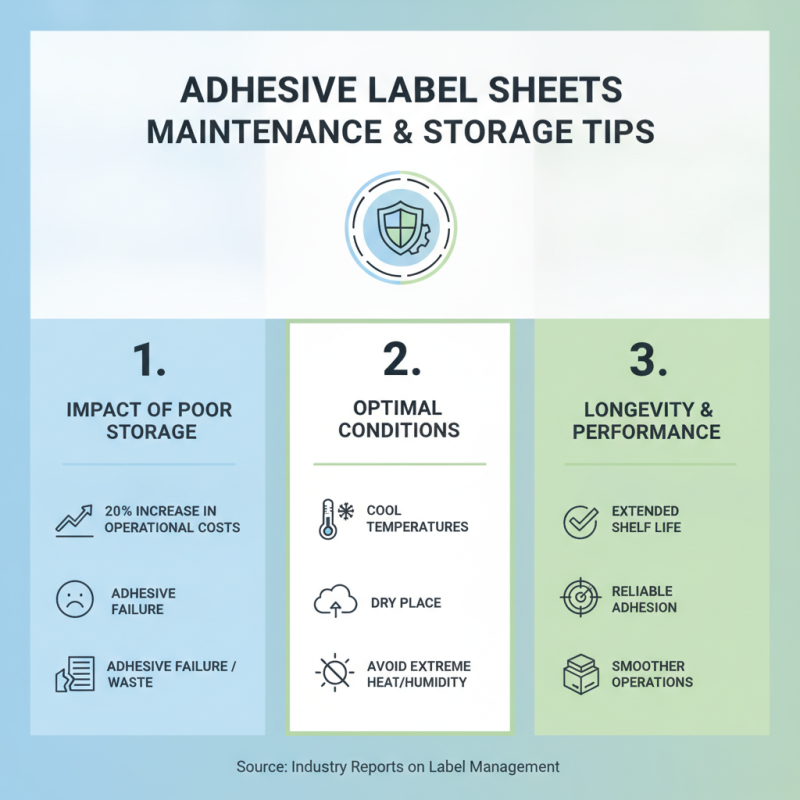
Experimenting with different label types can lead to insightful discoveries. You might find one style works better than others in certain conditions. If the labels don’t adhere properly, it's a frustrating setback. Choose thoughtfully, and consider testing sheets in smaller batches first. Crafting a reliable labeling system boosts overall business efficiency.
Top 10 Recommended Adhesive Label Sheets for Business Applications
| Label Type |
Sheet Size |
Label Size |
Material |
Color |
Average Price ($) |
| Address Labels |
8.5" x 11" |
2" x 4" |
Paper |
White |
25.00 |
| Product Labels |
8.5" x 11" |
3" x 5" |
Glossy Paper |
White |
30.00 |
| Shipping Labels |
8.5" x 11" |
4" x 6" |
Thermal |
White |
35.00 |
| Barcode Labels |
4" x 6" |
1" x 2.625" |
Paper |
White |
20.00 |
| Specialty Labels |
8.5" x 11" |
1.5" x 1.5" |
Vinyl |
Clear |
50.00 |
| Kitchen Labels |
8.5" x 11" |
2" x 3" |
Plastic |
White |
28.00 |
| Name Tags |
4" x 3" |
2" x 3" |
Paper |
White |
15.00 |
| Gift Labels |
8.5" x 11" |
3" x 3" |
Matte |
Colors Assorted |
22.00 |
| Inventory Labels |
4" x 6" |
2" x 4" |
Paper |
Yellow |
18.00 |
| Custom Labels |
Varies |
Custom Size |
Paper |
White |
Varies |
How to Properly Use and Apply Adhesive Label Sheets
Using adhesive label sheets correctly can enhance your business's efficiency. These sheets are versatile tools for branding, organization, and shipping. Proper application is crucial to avoid issues like peeling or misalignment. A study by the Label Manufacturers Institute highlights that 82% of customers noticed improved product recognition through well-applied labels.
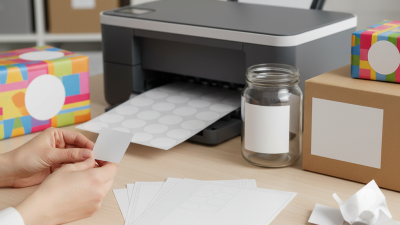
Start by selecting the right sheet for your printer. Inkjet and laser printers require different treatments. Check the label sheet specifications before printing. It's essential to perform a test print to ensure alignment. If the labels don’t line up, it can lead to wasted time and resources. Furthermore, working in a clean area prevents dust from compromising adhesive properties.
When applying labels, do so with care. Clean the surface thoroughly to enhance adhesion. Apply the label slowly, pressing from one side to the other to eliminate air bubbles. Research shows that 50% of poorly applied labels fail to stick after a week. Reflect on your application process routinely. Small missteps can lead to larger issues, like damage to your brand's reputation or customer dissatisfaction.



 Phone
Phone Send Email