China Top Adhesive Label Sheets for Various Applications and Industries?
In today's competitive market, the significance of high-quality Adhesive Label Sheets cannot be overstated. According to a recent report by Smithers Pira, the global label market is projected to reach over $50 billion by 2025. This substantial growth is driven by diverse industries demanding reliable labeling solutions.
Adhesive Label Sheets serve various applications, from retail to logistics. They enhance product identification and regulatory compliance. In the food and beverage sector, accurate labeling is crucial for safety and consumer trust. The transition to digital printing is also reshaping the landscape of adhesive labels, impacting efficiency and personalization.
However, challenges remain. Companies must balance quality, cost, and sustainability. The increasing environmental concerns urge manufacturers to innovate eco-friendly label materials. As the market evolves, understanding these dynamics will be key for businesses aiming to leverage adhesive labels effectively.
China's Leading Manufacturers of Adhesive Label Sheets
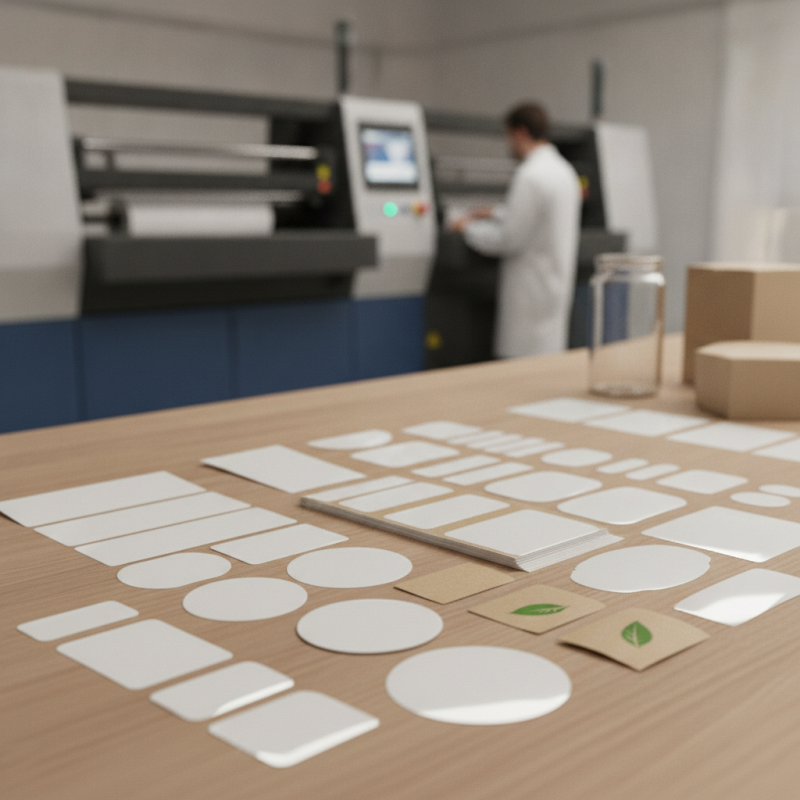
China's adhesive label sheets play a vital role in a multitude of industries. The country is home to a number of leading manufacturers specializing in high-quality adhesive products. According to industry reports, the global adhesive label market is projected to grow at a compound annual growth rate (CAGR) of 5.8% from 2023 to 2030. This reflects the increasing demand for convenient labeling solutions across various sectors.
Adhesive label sheets serve diverse applications. They are crucial for logistics, retail, and food packaging. Reports indicate that over 40% of the market demand in China is driven by the food and beverage sector. This is due to stricter regulations and a growing consumer preference for well-labeled products. However, not all manufacturers meet the rising quality standards, leading to a gap in reliability.
Innovations in adhesive technology also challenge traditional practices. Many manufacturers are experimenting with eco-friendly materials. Yet, there are ongoing concerns about the effectiveness of these alternatives. Industry data shows that nearly 30% of these innovations fail to meet performance benchmarks. This highlights the need for continuous improvement and quality assessment in the manufacturing process.
Common Materials Used in China’s Adhesive Label Sheets
Adhesive label sheets in China are crafted from a variety of materials to meet numerous industry needs. Common choices include paper, vinyl, and polyester. Paper labels are popular for lightweight applications. They are often used for shipping labels and food packaging. They offer a cost-effective solution but may not hold up well in moist environments. Vinyl, known for its durability, is a preferred option for outdoor use. It resists water and UV rays, making it ideal for product labeling and signage.
Polyester labels are another common material. They are stronger than paper and vinyl, offering resistance to tearing and chemicals. This makes them suitable for industrial settings, including laboratories and manufacturing. However, they can be more expensive, which might limit use in lower-budget applications. Exploring these materials allows manufacturers to select the best option based on specific requirements.
While many companies focus on these popular materials, innovations continue to emerge. Not all adhesive label sheets provide the same performance. Manufacturers must test their products in real-world situations. This process helps ensure labels maintain adhesion and clarity over time. Quality assurance remains vital in selecting the right label sheets for diverse applications.
China Top Adhesive Label Sheets for Various Applications and Industries
| Material Type |
Common Applications |
Industry Use |
Adhesive Type |
| Paper |
Product labeling, Shipping |
Retail, Logistics |
Permanent |
| Vinyl |
Outdoor signage, Bumper stickers |
Advertising, Automotive |
Removable |
| Polyester |
Durable labels, Asset tracking |
Manufacturing, Warehousing |
Extreme weather resistance |
| Magnetic |
Refrigerator magnets, Temporary signs |
Retail, Home Decor |
N/A |
| Eco-friendly materials |
Sustainable labeling, Organic products |
Food Industry, Cosmetics |
Biodegradable |
Applications of Adhesive Label Sheets Across Different Sectors
Adhesive label sheets have gained significant traction across various industries. They offer flexibility, durability, and ease of use. According to a report by Smithers Pira, the global label market reached $42.6 billion in 2022 and is projected to grow by 4.3% annually. Labels are vital in sectors like retail, logistics, and food production.
In retail, adhesive labels enhance brand visibility and customer engagement. They are crucial in inventory management. Reports indicate that 78% of retailers utilize labels for product identification. This practice not only streamlines operations but also boosts sales through effective marketing. In logistics, labels facilitate tracking and improve supply chain efficiency. Over 70% of companies acknowledge that accurate labeling leads to fewer errors.
In food production, adhesive labels ensure compliance with safety regulations. They communicate vital product information, such as nutritional content and expiration dates. A survey revealed that 63% of consumers trust products with clear labeling. However, inconsistencies in label application can lead to costly recalls. Industry experts emphasize the need for precision in label printing and application processes. As businesses adapt to ever-changing regulations, mastering adhesive label technology remains a critical challenge.
Innovations in Adhesive Label Sheet Technology in China
In recent years, China has emerged as a leader in adhesive label sheet technology. This innovation has transformed various industries, from packaging to marketing. The ability to produce high-quality labels with advanced adhesives is changing how businesses operate. While many manufacturers focus on efficiency, there is still room for improvement in sustainability.
New materials are being developed to enhance adhesive durability. These materials allow labels to withstand harsh conditions, ensuring they remain intact on products. However, some manufacturers struggle with balancing performance and environmental impact. In this rapidly evolving market, businesses must prioritize eco-friendly solutions without sacrificing quality.
Moreover, the technology behind printing and cutting adhesive labels has advanced significantly. Digital printing allows for customization at a larger scale. Yet, not all companies are adapting quickly enough to these changes. There is a need for more training and resources in the industry. Embracing innovation will be crucial for remaining competitive in the market.
Comparative Analysis of Adhesive Label Sheets for Specific Uses
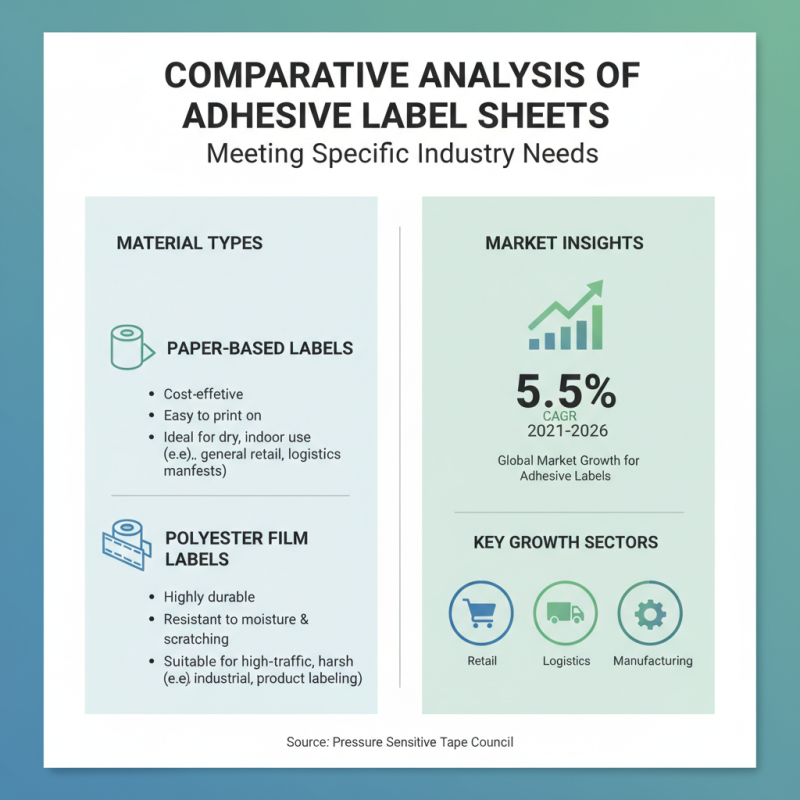
Adhesive label sheets come in various materials, each fulfilling specific industry needs. According to the Pressure Sensitive Tape Council, the global market for adhesive labels is expected to grow at a CAGR of 5.5% from 2021 to 2026. This growth reflects increased demand in sectors like retail, logistics, and manufacturing. For high-traffic product labeling, polyester films offer durability. They resist moisture and scratching better than paper-based options.
For inventory management, thermal transfer labels provide essential functionality. They allow for high contrast and clarity in printed information. Reports indicate that up to 70% of retail inventory management relies heavily on effective labeling. However, a common oversight is choosing the wrong adhesive for specific environments. For instance, labels in extreme temperatures may not adhere properly. Some adhesives lose effectiveness when exposed to humidity or chemicals. This can lead to data loss or improper inventory tracking, highlighting the need for careful material selection.
Ink compatibility is another crucial factor. Manufacturers often underestimate how ink can affect label performance. Non-compatible inks can smudge or fade, compromising readability. The label sheets' lifespan can vary dramatically. In some cases, users report adhesive breakdown within months, while other products last years. In short, the right adhesive label choice impacts not only functionality but also operational efficiency.





 Phone
Phone Send Email