How to Choose the Right Till Rolls for Your Business?
Choosing the right Till Rolls for your business may seem straightforward, yet it holds significant implications for your operations. According to a report by Smith Industries, approximately 70% of retail efficiency hinges on quality printing supplies, including till rolls. The selection of these rolls can affect customer satisfaction and operational speed, making it a critical choice for business owners.
Industry expert Jane Thompson once stated, “The right till rolls enhance not only transaction speed but also customer experience.” This highlights the importance of matching your till rolls with your specific business needs. Factors to consider include paper quality, thermal vs. non-thermal options, and compatibility with your POS system. Each choice can impact your daily transactions and long-term profitability.
However, many businesses still overlook these details. Selecting the wrong till rolls can lead to faster wear and tear on machines and increased operational costs. Taking the time to evaluate your options is essential. With countless choices available, being well-informed will help ensure your business runs smoothly and efficiently.
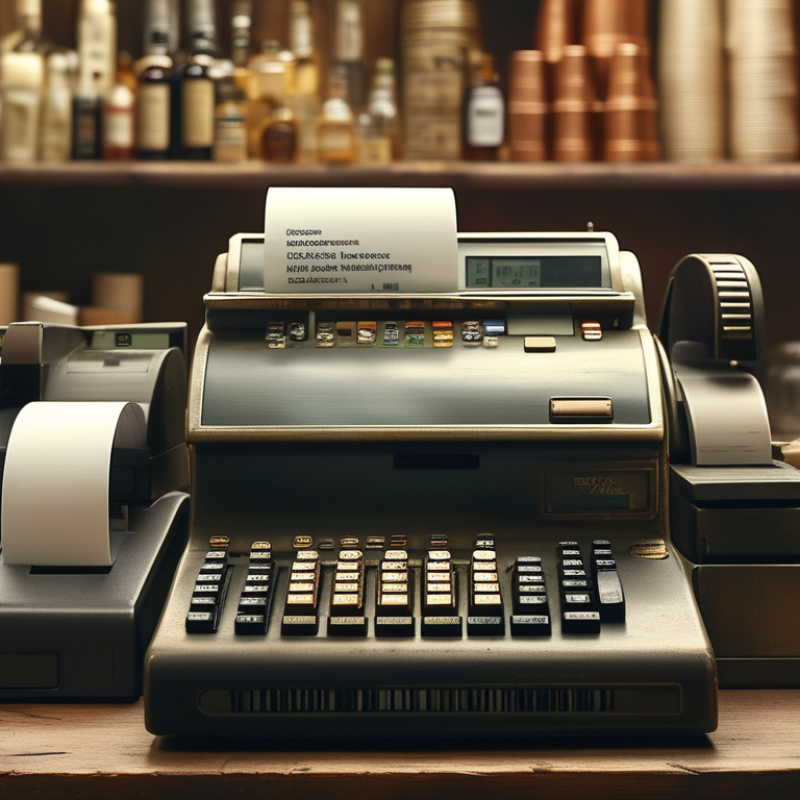
Understanding the Different Types of Till Rolls Available
When selecting till rolls for your business, it's crucial to understand the different types available. The most common types include thermal, bond, and carbonless rolls.
Thermal rolls are popular because they don’t require ink, producing sharp prints directly through heat. They are ideal for busy environments, such as supermarkets or restaurants. However, they can fade over time and may not be suitable for long-term storage of receipts.
Bond rolls can offer a more durable solution. These rolls utilize ink to print, resulting in a clearer image that lasts longer. They are great for businesses that need to retain receipts for extended periods. Yet, using bond rolls means you need to replace ink cartridges regularly, which might increase operational costs.
Carbonless rolls are another option, producing copies without the need for separate sheets. They can be handy for businesses needing duplicates on the spot, although their setup can be a bit tricky.
It's essential to weigh the pros and cons of each type. The choice largely depends on your business's operational needs. Think about how you plan to use the receipts and how long you need them to last. Sometimes, the decision is not clear, and reviewing your daily processes can guide you.
Don't hesitate to experiment.
Key Factors to Consider When Selecting Till Rolls
Choosing the right till rolls for your business is essential. Several key factors should be considered. First, the type of printing your cash register requires is crucial. Thermal printers use different rolls compared to impact printers. Understanding your equipment is the first step in efficient selection.
Next, consider the size of the rolls. They must fit your printer. Common sizes include 57mm and 80mm. Measure your printer's requirements before purchasing. This simple step can save headaches later on. Also, consider the number of prints per roll. Some rolls offer more prints. This can reduce the frequency of replacements.
Finally, think about the quality of the paper. Poor-quality rolls can jam your printer and create waste. Look for rolls that are durable and smudge-resistant. While cheaper options might seem attractive, they can lead to long-term issues. Reflecting on these points can help refine your choice and enhance your business efficiency.
Assessing Compatibility with Your Point of Sale System
When choosing till rolls, compatibility with your point of sale (POS) system is critical. Different systems have varying requirements. Always check the specifications of your POS machine. The size, thickness, and type of paper can impact functionality. Some systems only work with specific roll types. Using incompatible rolls can lead to paper jams or printing issues.
It's also essential to consider the quality of the paper. High-quality rolls ensure clear prints and reduce the risk of fading. If your rolls are subpar, customers may receive unreadable receipts. This can lead to confusion and frustration. Take a moment to research suppliers. While cheaper options may be tempting, they can compromise your operation.
Evaluate your purchasing habits too. Bulk buying can save money, but does it fit your business needs? If demand fluctuates, large orders might lead to waste. Reflecting on your sales patterns helps to make informed decisions. Balancing cost and quality while ensuring compatibility is vital for a streamlined operation.
How to Choose the Right Till Rolls for Your Business?
This chart compares the compatibility ratings of different types of till rolls with various point of sale systems. The data shows how each type of roll performs in terms of compatibility, helping businesses make informed choices.
Evaluating the Quality and Durability of Till Rolls
When choosing till rolls for your business, evaluating their quality and durability is crucial. High-quality till rolls can enhance your customer service experience. They ensure clear printing and reduce the frequency of roll changes. Poor-quality rolls can lead to faint receipts, frustrating both employees and customers.
Here are some tips for selecting the right till rolls. Look for rolls made with two-ply paper, which offers better durability. These rolls are less likely to tear during use. Additionally, consider the thickness of the paper. Thicker rolls generally provide a longer lifespan, saving you money in the long run.
Durability is not just about the material; it’s also about how well the rolls withstand the heat of printers. Cheaply made rolls may smudge or fade over time, making them unreliable. Choose rolls that are resistant to fading and offer a crisp print. Also, do not ignore customer reviews or test a few options before committing to a large purchase. The right choice can significantly impact your business operations.
Cost Considerations and Bulk Purchasing Options for Till Rolls
When considering till rolls for your business, cost is a significant factor. The price can vary widely based on quality and quantity. Purchasing rolls in bulk can lead to substantial savings. Retailers often offer discounts for larger orders. This approach not only reduces per-unit costs but also ensures you always have enough stock on hand.
However, bulk purchasing isn’t without its challenges. You might end up with excess rolls that could go unused. Checking your sales volume is crucial. It’s not ideal to invest in inventory that may expire or become obsolete. Balancing budget constraints with operational needs is key.
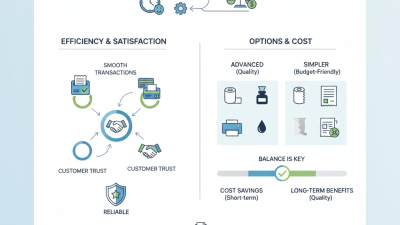
Additionally, quality should not be overlooked in favor of cost savings. Cheaper rolls may lead to print quality issues or jamming in your tills. This can frustrate staff and customers alike. Spending a bit more on reliable rolls may pay off in the long run by enhancing efficiency. Take the time to research and review your choices carefully.





 Phone
Phone Send Email