How to Choose the Best Label Sheets for Your Needs?
Choosing the right label sheets is crucial for effective organization and presentation. The variety of options can be overwhelming. Label sheets come in different sizes, materials, and adhesive strengths. Understanding your specific needs will help narrow down your choices effectively.
When selecting label sheets, consider the intended use. Will they be used for shipping, product labeling, or home organization? Each purpose requires different qualities. A high-quality label sheet can enhance your branding and make a lasting impression. Poor choices may lead to smudged print or labels that peel off easily.
Additionally, think about compatibility with your printer. Not all labels work with every printer type. Testing different sheets can provide insight into what works best for your projects. Remember, the best label sheets not only meet your needs but also contribute to a more organized and efficient workflow. Embrace the process of discovery and evaluation.
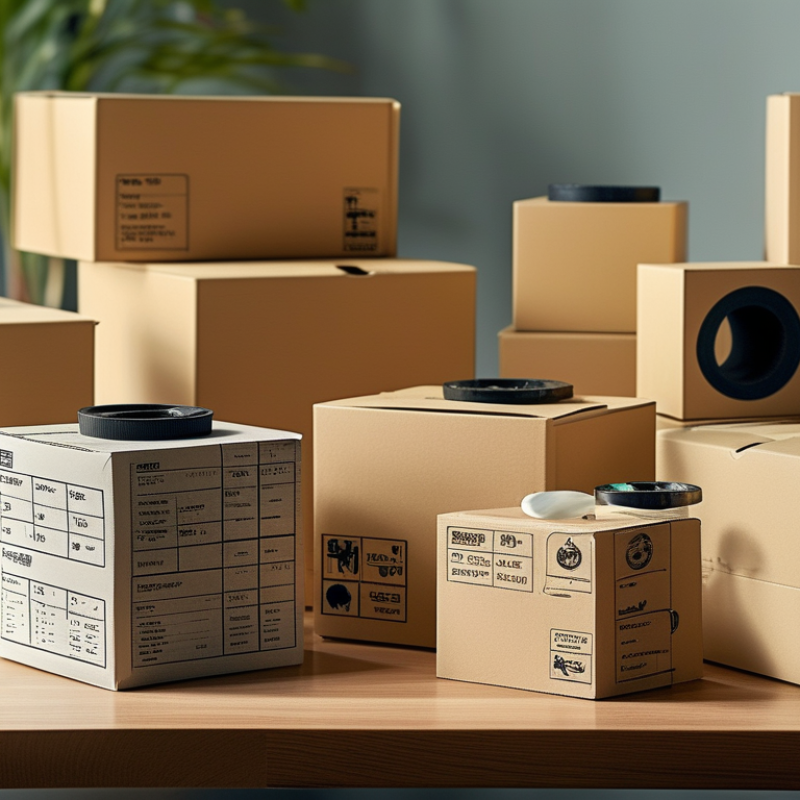
Understanding Different Types of Label Sheets Available on the Market
Choosing the right label sheets requires understanding the options available on the market. Label sheets come in a variety of types, each designed for specific needs. Common formats include inkjet, laser, and specialty sheets. According to a report from Smithers Pira, the global market for label products is expected to reach $52 billion by 2025, indicating a strong demand for diverse labeling solutions.
Inkjet sheets are ideal for high-resolution printing. They offer vibrant colors and sharp text, making them popular for home use. Laser sheets, on the other hand, provide fast drying times and smudge-resistant finishes. They are often preferred by businesses that require bulk printing. Specialty sheets, such as waterproof or removable labels, cater to specific applications like shipping or temporary signs.
Selecting the best sheet involves evaluating your specific requirements. It's not just about choosing a type; consider factors like printer compatibility and label size. For instance, adhesive strength is critical. Some users find stickers peel off easily, which can be frustrating. Understanding how different materials perform in various conditions is vital. Reports show that up to 20% of labels fail to adhere under certain environments, stressing the need for careful selection.
Assessing Your Specific Labeling Needs and Requirements
When selecting label sheets, your specific labeling needs are crucial. Understand the type of project. Are you printing labels for products, organizing files, or shipping packages? Each scenario requires different materials and specifications. Evaluate the environment as well. Will labels be exposed to moisture or sunlight? This can impact the choice of adhesive and paper type.
Consider the size and shape needed for your labels. Some projects may need unique sizes or shapes. Finding a product that matches these requirements might take time. Reflect on your printer compatibility. Not all label sheets work well with every printer type. Inefficiencies here could lead to wasted materials or poor-quality prints.
Take stock of the quantity you need. Buying in bulk might seem cost-effective, but only if you’ll actually use them. Evaluate your storage space as well. Excessive stock can lead to wasted supplies. By carefully assessing these factors, you’ll make a more informed decision that fits your specific needs.
Evaluating Print Compatibility with Label Sheet Materials
When selecting label sheets, print compatibility is crucial. Different printers have unique specifications. Laser printers may require specific heat-resistant materials. Inkjet printers often work better with absorbent surfaces. Understanding these differences is essential to achieve high-quality results.
Evaluate your printer’s capabilities. Check the manufacturer's guidelines for paper types. It's common to overlook this detail, leading to poor print outcomes. For instance, using a label sheet not suited for your printer can cause smudging or poor adhesion.
Consider the weight and finish of the label sheets. Heavyweight stocks typically yield professional results. Glossy finishes can enhance color vibrancy. However, these may not align with every printer's design. Test a few options before committing to larger quantities. It’s important to acknowledge that imperfect results may happen. Continued experimentation will help identify the best choices for your printing tasks.
Evaluating Print Compatibility with Label Sheet Materials
Considering Adhesive Strength for Various Applications
When selecting label sheets, adhesive strength plays a critical role in various applications. The right adhesive ensures that your labels stay in place without peeling or tearing. For instance, labels used outdoors require stronger adhesives to withstand weather conditions. Consider the surfaces where your labels will be applied. Some adhesives work better on rough or textured surfaces, while others perform better on smooth, flat areas.
Choosing the wrong adhesive can lead to issues. Labels may lift or warp, especially in high-temperature environments. Testing different options on sample surfaces can provide insight into what works best. Remember, not every strong adhesive is suitable for all applications. Overly aggressive adhesives can damage surfaces upon removal. Thus, the delicate balance between adhesion and removal ease is essential.
Reflecting on past experiences can guide your judgment. Think of times when labels failed or how they performed unexpectedly. Those insights can help refine your selections. Being attentive to your specific needs will lead to better outcomes. Don't overlook the importance of adhesion type, as it directly impacts your label's effectiveness and longevity.
How to Choose the Best Label Sheets for Your Needs? - Considering Adhesive Strength for Various Applications
| Label Type |
Adhesive Strength |
Best Applications |
Paper Finish |
Weather Resistance |
| Standard |
Medium |
Office and Home Use |
Matte |
No |
| Permanent |
High |
Industrial and Shipping |
Glossy |
Yes |
| Removable |
Low |
Promotional and Temporary Use |
Satin |
No |
| Weatherproof |
Very High |
Outdoor Use |
Vinyl |
Yes |
| Clear |
Medium |
Product Labeling |
Clear |
No |
Checking Label Sheet Formats and Sizes for Your Projects
Choosing the right label sheet for your project involves understanding formats and sizes. Not every label sheet suits every task. Different industries require specific dimensions and materials. For instance, small labels may work for product packaging but can be inadequate for shipping.
When considering label formats, think about the application. A business might need perforated sheets to easily separate each label. Meanwhile, printers can require specific formats to avoid jams. Common sizes include 1-inch squares or 4x6 inches for general use.
Measuring your space is crucial. Do not underestimate the importance of precise measurements. If a label is too big, it could obscure important information. On the other hand, if it’s too small, it may appear unprofessional. Testing a few sheets before committing can reveal what works best. Each project may have unique requirements that come to light during this process.




 Phone
Phone Send Email