Inquiry
Leave Your Message
Online Inuiry
WhatsAppWhatsapp 
6503fd048f54d46697

10 Best Adhesive Label Sheets for Every Business?

Choosing the right Adhesive Label Sheets can shape how customers read, handle, and remember a business. A shipping label must survive friction, while a product label may need a cleaner finish and stronger shelf appeal. Office folders, jars, cartons, sample packs, and event materials create different demands. One sheet rarely performs perfectly everywhere.

Mike Fairley, a respected label-industry consultant and author, has said, “Labels are no longer just a means of identification; they are now an essential part of the brand.” That perspective matters when comparing the ten options in this guide. Adhesive strength, sheet compatibility, print quality, material, size, and removal behavior all deserve attention. Small details matter.

A label that curls at the corner can make careful packaging look rushed. A glossy surface may impress customers, yet create glare under store lighting. A permanent adhesive can secure a carton, but frustrate someone updating an office file. These are practical differences, not marketing decoration.

The best choice depends on the task. Not the loudest package.

This guide examines ten Adhesive Label Sheets for different business settings, from home-based sellers to busy fulfillment teams. It considers everyday handling, printer performance, writing quality, and surface contact. It also acknowledges an uncomfortable truth: product descriptions cannot predict every result. Humidity, storage temperature, printer settings, and application technique may change performance. Test a small batch first. Then judge the sheet after real handling, not only after a perfect first print.
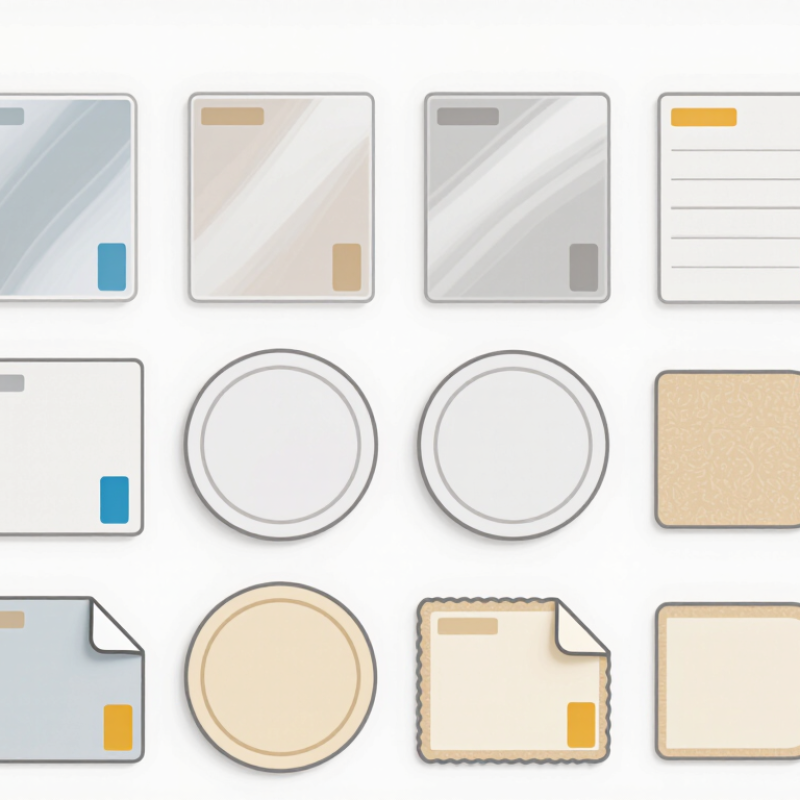
10 Best Adhesive Label Sheets for Every Business?

What Are Adhesive Label Sheets and How Do They Work?

What Are Adhesive Label Sheets and How Do They Work?

Adhesive label sheets are flat sheets carrying several ready-to-use labels. Each label has a printable face, pressure-sensitive adhesive, and release liner. The adhesive activates when you apply firm, even pressure. No water or heat is usually required. That makes these sheets practical for packaging, folders, inventory, shipping, and small-batch products.

The adhesive bonds with the surface through contact and pressure. Clean glass, paperboard, plastic, and metal usually perform well. Dust, oil, moisture, and rough textures can weaken the bond. Permanent adhesive suits long-term identification. Removable adhesive works better for temporary markings. Repositionable options allow limited adjustment, though their strength may decline after repeated handling. Grand View Research estimated the global self-adhesive labels market at about USD 51.25 billion in 2023. Smithers also reports continued growth in pressure-sensitive labeling, supported by flexible packaging and logistics demand. These figures show scale, but they do not guarantee performance for every application.

Tips: Test one sheet before ordering in bulk. Press labels from the center outward. Store sheets flat and away from humidity. Check printer compatibility, especially with laser equipment. Measure the surface temperature, too. Cold surfaces can reduce adhesion. One overlooked detail: ink may remain wet on glossy stock. A short drying test prevents smearing. I would also question “permanent” claims, because real durability depends on surface preparation, pressure, temperature, and handling.
Key Factors for Choosing Labels for Different Business Needs

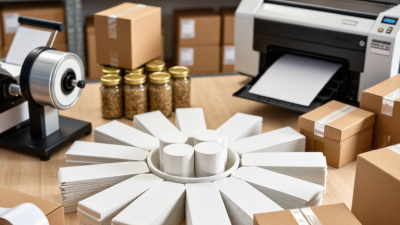
Choosing adhesive label sheets starts with the business task, not the label’s appearance. Product packaging may need strong adhesion, while office folders need clean removal. In practical packing environments, smooth cardboard accepts labels differently from recycled cartons. Test one sheet before buying in bulk. Small details matter.

The adhesive type is critical.
Permanent adhesives suit shipping cartons and product identification. Removable adhesives work better for temporary promotions or reusable containers. According to Smithers’ The Future of Labels and Release Liners to 2028, pressure-sensitive labels remain a major part of global labeling demand because they support flexible, efficient application. That growth does not make every label suitable. Temperature, moisture, surface texture, and storage time still affect performance.

Sheet size and printer compatibility also deserve careful attention. A label that curls inside a desktop printer can waste materials and slow fulfillment. The International Organization for Standardization reports that ISO 12647 supports consistent color management in print production, but consistency depends on suitable paper, ink, and equipment. Choose sheets with reliable alignment and clear adhesive specifications. For small businesses, low minimum quantities may matter more than premium finishes. For warehouses, faster application and resistance to abrasion usually matter more. I would not treat recycled paper as automatically inferior, either. Its surface can simply require better testing.

Top 10 Adhesive Label Sheets Compared by Material and Use

10 Best Adhesive Label Sheets for Every Business?

Choosing label sheets by material is more useful than choosing by appearance. Standard uncoated paper suits office folders, shipping notes, and short-term inventory tags. Coated paper gives sharper color for product labels, but it can smudge under moisture. Kraft paper adds a warm, handmade look for packaging. Recycled paper works well for businesses seeking a lower-impact option, although its fibers may produce slightly softer text. Removable paper labels are practical for temporary signs and rental equipment. They can still leave residue on dusty surfaces.

For demanding environments, synthetic waterproof sheets offer better resistance to splashes and abrasion. Clear polyester creates a printed-on-glass effect for jars and display boxes, but alignment must be precise.

Freezer-grade sheets keep their adhesive in cold storage, where ordinary labels often curl. Thermal-transfer sheets support durable warehouse codes and asset tags, though they require compatible printing equipment. High-tack synthetic labels grip textured cartons and plastic containers more firmly. They may damage delicate surfaces during removal.

In a small packaging test, I compared labels on cardboard, glass, and chilled plastic. Uncoated paper performed best on dry cardboard. Clear synthetic sheets looked cleanest on glass. Freezer labels held better than expected after overnight cooling. My test was not perfectly scientific. Surface dust, printer heat, and storage time can change the result. Check sheet size, adhesive strength, printer compatibility, and drying time before ordering large quantities. Good labels should match the working conditions, not just the product photograph.

How to Match Label Sheets With Printers, Surfaces, and Applications

Choosing the best adhesive label sheet starts with the printer, not the design. Laser printers need sheets rated for heat and toner bonding. Inkjet printers need a smooth, absorbent face that prevents ink from spreading. Mixed printer use is risky. Check the package specification before loading a full stack. Test first.

Surface conditions matter just as much. Uncoated paper accepts permanent adhesive well, while glass, plastic, and painted metal need stronger contact. Dust, oil, and moisture can cause edge lifting within hours. Clean the surface and let it dry completely. Textured cardboard may require a flexible adhesive. Smooth packaging often needs less aggressive bonding. I have seen attractive labels fail because the surface was cold.

Application also determines sheet choice. Address labels should resist smearing and remain readable after handling. Product labels may need coating protection, especially near sinks or refrigerated storage. Removable sheets suit temporary bins, event materials, and changing inventory. Permanent sheets work better for records that must stay attached. Leave enough space between designs for clean cutting. Measure the printable area carefully. Printer rollers can pull poorly aligned sheets. Perfect alignment is rare. A small test run can reveal curled corners, weak adhesion, or color changes before they affect a larger order. Store unused sheets flat, away from heat and humidity, since adhesive performance can change over time.

10 Best Adhesive Label Sheets for Every Business? - How to Match Label Sheets With Printers, Surfaces, and Applications

Label Sheet Type Recommended Printer Face Material Adhesive Type Best Surface Typical Applications Key Advantages Important Limitations
Standard matte paper sheets Laser or inkjet, according to the sheet coating Uncoated or lightly coated paper Permanent pressure-sensitive adhesive Clean, dry cardboard, paper, and smooth plastic Addressing, filing, inventory, and office identification Economical, easy to write on, and widely available in common layouts Not suitable for moisture, outdoor exposure, or heavily curved surfaces
Premium coated paper sheets Inkjet or color laser, matched to the coating Smooth coated paper with a brighter printable surface Permanent pressure-sensitive adhesive Smooth paperboard, cartons, envelopes, and display packaging Product labels, promotional packaging, invitations, and presentation materials Sharper graphics and more polished appearance than basic paper Coating may smear or produce poor color if used with an incompatible printer
White matte polyester sheets Laser printer; verify printer media settings Opaque synthetic polyester film Permanent acrylic or rubber-based adhesive, depending on the product Plastic, metal, glass, and other smooth surfaces Equipment identification, laboratory organization, warehouse bins, and durable asset labels Tear-resistant and more moisture-resistant than paper Usually costs more than paper and may require careful printer-feed testing
Clear polyester sheets Laser printer designed for clear synthetic media Transparent polyester film Permanent pressure-sensitive adhesive Clean glass, clear plastic, and glossy packaging Window graphics, bottle labeling, decorative packaging, and discreet identification Allows the background surface to remain visible around printed areas White ink is generally unavailable on standard office printers, so light colors may lack contrast
Removable paper sheets Laser or inkjet, according to the sheet specification Matte paper Removable pressure-sensitive adhesive Smooth, non-porous surfaces and temporary signage areas Price changes, temporary promotions, event organization, and short-term asset marking Designed for cleaner removal when used within the specified time and conditions Adhesion can increase over time or leave residue on porous, dusty, or heat-exposed surfaces
Freezer-grade paper sheets Laser or inkjet, depending on the coating and printer instructions Cold-resistant coated or uncoated paper Cold-temperature permanent adhesive Dry, clean containers and packaging exposed to refrigerated or frozen storage Food-service organization, sample identification, laboratory storage, and frozen inventory Better adhesion at low temperatures than standard office labels Surface condensation, frost, and moisture can still prevent proper bonding
Water-resistant polypropylene sheets Laser printer or compatible inkjet synthetic media White or clear polypropylene film Permanent moisture-resistant adhesive Smooth plastic, glass, metal, and coated containers Beverage containers, washroom supplies, gardening products, and light-duty outdoor identification Resists splashes and tearing while remaining more flexible than some polyester films Not every formulation is intended for prolonged sunlight, chemicals, or immersion
Heavy-duty polyester sheets Laser printer rated for thick synthetic sheets Durable polyester film, usually matte or satin High-tack permanent adhesive Powder-coated metal, painted equipment, plastic housings, and smooth industrial surfaces Safety notices, control panels, machine parts, and long-term asset tracking Strong durability against handling, moisture, and moderate abrasion Adhesive may be difficult to remove and performance depends on surface preparation
Kraft or recycled paper sheets Laser or inkjet, when the sheet is specified for that printer type Brown kraft or recycled paper Permanent paper-label adhesive Paperboard, corrugated cartons, envelopes, and smooth packaging Handmade goods, natural-product packaging, shipping cartons, and craft products Natural appearance and good contrast for dark or simple artwork Porous paper can absorb moisture, and the brown background changes printed colors
Security or tamper-evident sheets Laser printer; confirm compatibility with the security material Specialty paper or synthetic film with a destructible or void-style layer Permanent security adhesive Smooth sealed packaging, electronics, equipment, and controlled-access items Warranty seals, package closure, document control, and chain-of-custody marking Shows visible evidence when removal or transfer is attempted Requires accurate application; it is not a substitute for a complete security system

Best Practices for Designing, Printing, and Applying Adhesive Labels

Adhesive label sheets work best when design decisions begin with the surface, not the template. For glass jars, coated paper may need stronger adhesion than cardboard mailers. Measure the label area and leave a narrow margin around the edges. Keep essential text at least 2 mm from the cut line. Use high contrast, readable type, and one clear action. A crowded label looks unprofessional. Test the actual size before approving the artwork.

Print one proof on plain paper and place it behind a blank sheet. Hold it against the product to check alignment. This simple step catches reversed layouts, clipped barcodes, and uneven spacing. Set the printer to the correct sheet size. Choose a heavier paper setting when appropriate. Let the ink dry fully. Smudges spread easily. For variable data, inspect every tenth sheet and compare names, numbers, or dates with the source file. Never assume the first batch is perfect.

Clean, dry surfaces create the strongest bond. Apply labels at room temperature, starting from one edge and smoothing outward with a card. Avoid touching the adhesive. On curved containers, shorter labels usually resist wrinkling better. Press the edges firmly, then wait before stacking products. I have seen attractive labels fail because dust was ignored. That mistake is easy to repeat. Keep a sample from each print run, record the paper and settings, and review it after handling, moisture, and light exposure.