2026 Top Thermal Papers Innovations and Trends to Watch Out For?
In the ever-evolving world of printing technologies, thermal papers stand out as a crucial innovation. These special papers are widely used for receipts, labels, and other applications. The advancements in thermal papers are remarkable. Industry experts predict exciting trends for 2026 that could reshape how businesses interact with technology.
One notable advancement is the development of eco-friendly thermal papers. As businesses increasingly focus on sustainability, sourcing and using green materials is a priority. There is also a rise in demand for high-quality thermal papers that enhance print durability. Improved imaging techniques will potentially lead to clearer prints and longer-lasting impressions.
Despite these innovations, some challenges remain. Manufacturers must ensure that these new thermal papers do not compromise performance. Additionally, users often overlook the importance of quality, opting for cheaper alternatives. This can lead to issues such as fading or smudging. As we look ahead, understanding these trends is essential for businesses aiming to stay competitive. Adapting to these changes could significantly impact operational efficiency and customer satisfaction.

Emerging Technologies in Thermal Paper Production for 2026
The thermal paper market is witnessing transformative changes as we approach 2026. Emerging technologies in thermal paper production are reshaping the industry. Recent industry reports indicate that the global thermal paper market is expected to reach $4.7 billion by 2026. This growth will be driven by innovations that focus on sustainability and efficiency in production techniques.
One major trend is the development of eco-friendly thermal papers. These papers often use water-based coatings instead of harmful chemicals. A study from the European Paper Industry highlights that adopting such materials can reduce environmental impact by up to 30%. Additionally, manufacturers are investing in advanced coating technologies. Innovations like nano-coatings not only enhance durability but also improve print quality. However, the challenge remains in balancing cost-effectiveness with these high-tech solutions.
Another noteworthy trend is the integration of digital printing capabilities. This shift allows businesses to customize thermal paper based on their unique needs. A recent survey revealed that 65% of companies are exploring digital options to reduce waste. Despite these advancements, manufacturers must address issues like supply chain disruptions and material scarcity. Finding reliable sources for sustainable materials is crucial for future growth. The road ahead shows promise, but it also demands critical reflection on the challenges faced.
2026 Top Thermal Papers Innovations and Trends
This chart illustrates the projected advancements in thermal paper technology for 2026, highlighting key innovations and growth trends across various dimensions.
Sustainable Materials and Eco-Friendly Innovations in Thermal Papers
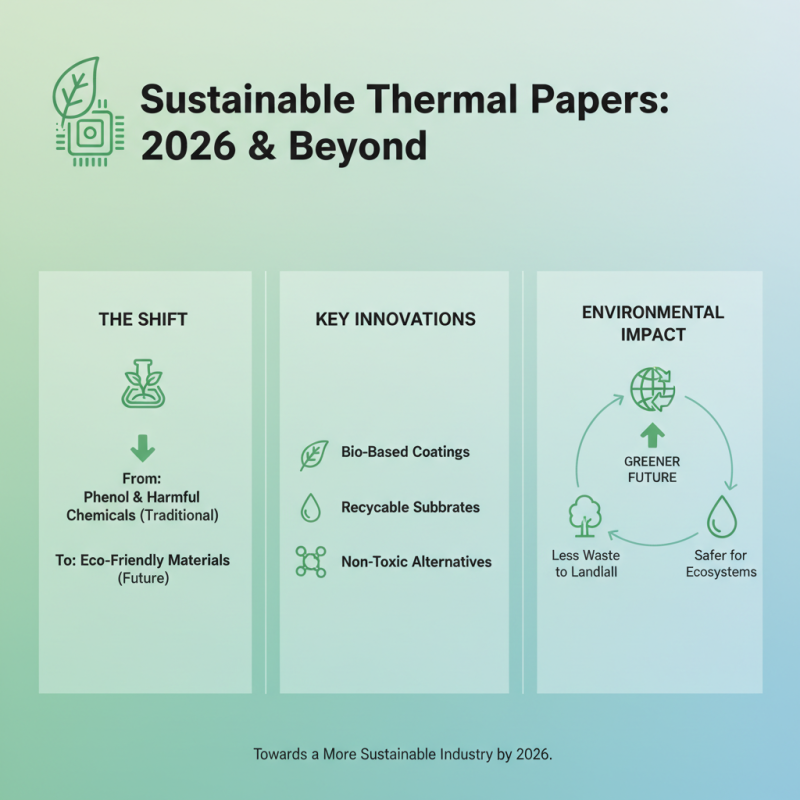
As we move towards 2026, thermal paper innovations are increasingly focusing on sustainability. Manufacturers are exploring eco-friendly materials that minimize environmental impacts. Traditional thermal papers often use phenol and other harmful chemicals in production. Moves to replace these substances reflect the industry's shift towards greener practices.
Biodegradable thermal papers are one exciting development. These papers breakdown more quickly in landfills, reducing long-term waste. Such innovations not only help the environment but also respond to consumer demand for sustainable products. However, these new materials sometimes face challenges in printing quality. Some users report issues with durability and performance, indicating room for improvement.
Another focus is on recycling processes. Some companies are developing ways to reuse thermal paper waste. This could significantly reduce the demand for virgin materials. Yet, the effectiveness of these recycling methods is still being evaluated. Questions remain about the entire lifecycle of these products. There is a pressing need for research and collaboration to advance these sustainable efforts in the thermal paper industry.
Digital Printing Advances Impacting Thermal Paper Trends
The digital printing landscape is evolving, significantly influencing thermal paper trends. In recent years, the market for thermal papers has grown, with a report from Smithers Group indicating a projected annual growth of 4.5% until 2026. This growth is sparked by advancements in digital printing technologies. Businesses seek high-quality prints that are faster and more efficient. As a result, the demand for compatible thermal papers is surging.
Innovations in ink formulations and printing methods are reshaping how thermal papers are produced. Recent data shows that eco-friendly formulations are taking precedence. Users are increasingly opting for recycled and sustainably sourced thermal papers. This shift reflects a growing concern for the environment and consumer preferences. Adopting these practices can enhance brand image while reducing waste.
Tip: Stay informed about available digital printing options. Regularly analyze your suppliers to ensure you utilize the best quality materials. Evaluate cost versus performance to optimize your production line.
As the market adapts, challenges arise. Not all thermal papers perform equally with new digital printers. Users may experience issues like fading or blurring. It is crucial to select papers specifically designed for digital printing. Testing samples can prevent costly printing errors and ensure high quality.
Consumer Preferences Shaping the Future of Thermal Papers
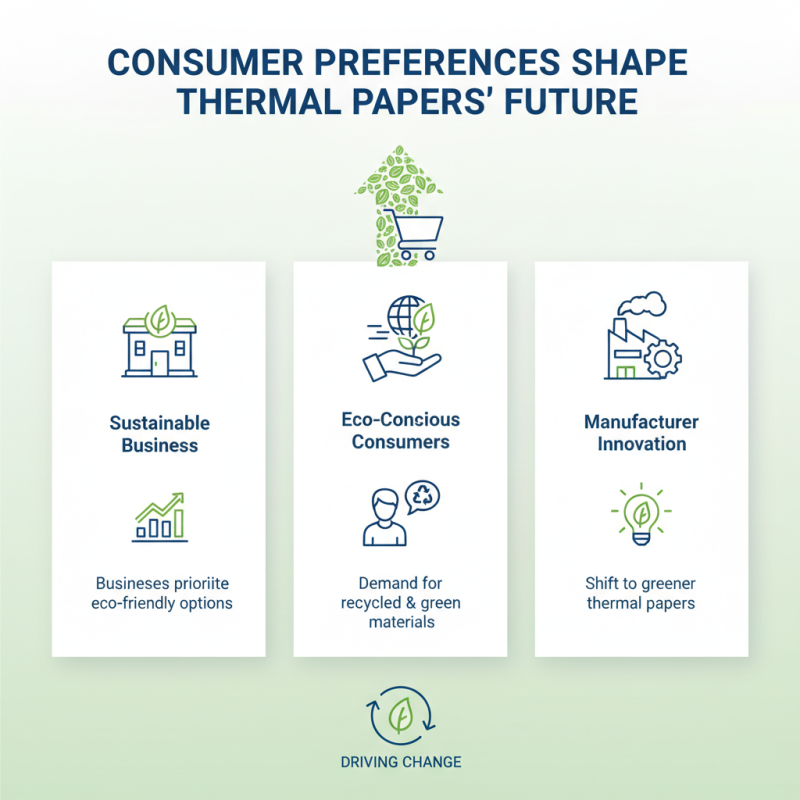
The future of thermal papers is being shaped by consumer preferences. As more businesses prioritize sustainability, recycled and eco-friendly thermal paper options are gaining popularity. Consumers are increasingly aware of environmental issues. They seek products that align with their values. This shift pushes manufacturers to innovate and create greener materials.
Moreover, the demand for customization is on the rise. Businesses want tailored solutions to meet specific needs. Printing capabilities are advancing, allowing for vibrant colors and unique textures. Customers appreciate when brands offer the ability to personalize receipts and labels. This trend reflects a desire for uniqueness in everyday transactions.
Despite the advancements, challenges remain. Not all consumers are fully aware of new options. Education around the various types of thermal paper can improve choices. Moreover, some may still prefer traditional papers due to familiarity. Bridging this gap requires effective communication from manufacturers. Listening to customer feedback is essential for future innovations. This evolving landscape creates numerous opportunities for growth and improvement in the thermal papers market.
Market Forecast: Growth Opportunities and Challenges for Thermal Papers in 2026
The thermal papers market is projected to experience significant growth by 2026. According to industry reports, the global market for thermal papers is expected to reach USD 4.6 billion, with a compound annual growth rate (CAGR) of 5.4% from 2021 to 2026. This growth is driven by increased demand in sectors such as retail, logistics, and healthcare. However, the market faces challenges, such as rising costs of raw materials and environmental concerns related to thermal paper production.
In addition to growth opportunities, innovation will play a critical role. Manufacturers are exploring eco-friendly alternatives to conventional thermal papers. New formulations that reduce harmful chemicals are gaining attention. Moreover, advancements in printing technology could lead to higher quality outputs and enhanced durability. Yet, the industry's reliance on traditional methods remains a barrier to widespread adoption of these alternatives. Stakeholders must address these challenges to remain competitive.
Understanding consumer preferences will also be vital. A recent study indicated that over 70% of businesses prefer suppliers who use sustainable practices. This trend reveals an urgent need for the industry to adapt. Companies should prioritize transparency in sourcing materials and production processes. Embracing sustainability could not only meet consumer demand but also open doors to new markets and partnerships.




 Phone
Phone Send Email